At Duane’s Dealer Alternative, we don’t follow maintenance schedules just because they’re printed in an owner’s manual. We follow what works — what keeps engines alive, what prevents expensive failures, and what we’ve learned from thousands of real vehicles driven in real conditions by real people. Manufacturer maintenance intervals are a starting point, but they’re not the whole story. They’re built around ideal conditions, marketing goals, and warranty timelines. Your vehicle doesn’t live in a laboratory. It lives in Florida heat, stop-and-go traffic, short trips, humidity, towing, and the daily grind. That’s why we set our own maintenance guidelines based on experience, not theory.
Why Maintenance Intervals Matter More Than Most Drivers Realize
Every mile you drive, your fluids break down, your filters load up, and your engine accumulates wear. Stretching maintenance too far doesn’t save money — it just delays the bill until the repair is bigger. We see the same patterns over and over:
- Sludge from extended oil intervals
- Timing chain wear from thin, broken-down oil
- Carbon buildup in direct-injection engines
- Transmission failures from “lifetime” fluid that didn’t last a lifetime
- Differential fluid breaking down early from heat and load
When maintenance is done on time — the right time — your vehicle runs cleaner, cooler, and longer.
Modern Engines Need More Attention Than Ever
Today’s engines are more powerful and more efficient, but they also run hotter and work harder. Turbocharged engines, now common across nearly every manufacturer, naturally consume more oil. Some brands even state that using a quart every 1,000 miles can be normal. If a vehicle holds only 5–6 quarts and goes 10,000 miles between oil changes, it can run dangerously low long before the interval is up. Shorter oil-change intervals protect against low oil damage — one of the most preventable causes of engine failure.
Whole-Vehicle Maintenance Matters
Oil changes are only one piece of the puzzle. Other systems need attention too:
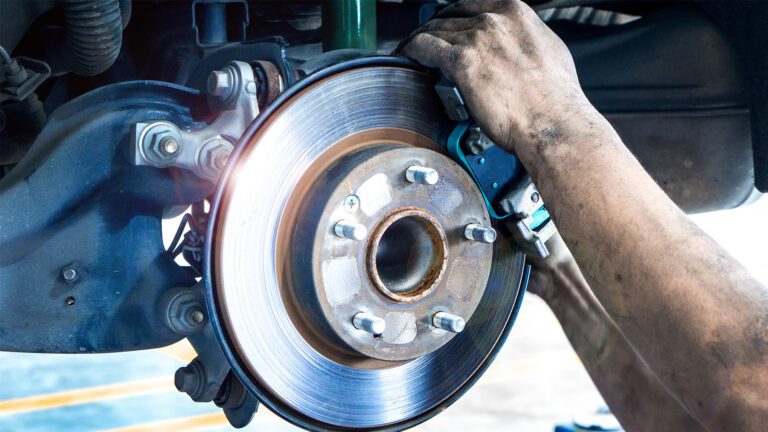
- Brake Fluid: Brake fluid absorbs moisture over time, which lowers its boiling point and causes internal corrosion in calipers, wheel cylinders, and ABS hydraulic units. Many manufacturers recommend replacing it every two years for this reason.
- Transmission Fluid: Heat breaks down fluid long before “lifetime” claims hold up. Regular exchanges prevent slipping, harsh shifting, and early failure.
- Differential & Transfer Case Fluids: These components run hot and work hard — especially in trucks and SUVs. Fresh fluid protects gears and bearings.
- Induction/Carbon Cleaning: Direct-injection engines benefit from periodic cleaning to maintain performance and prevent buildup.
Why Our Recommendations Are Different
We adjust maintenance intervals based on:
- Local climate and heat load
- Stop-and-go driving
- Short-trip habits
- Known pattern failures across makes and models
- How long you plan to keep the vehicle
We’re not guessing. We’re basing our recommendations on what we see fail, what we see succeed, and what keeps your vehicle out of the shop for the big stuff.
Our Goal Is Simple: Keep You on the Road
When you follow our maintenance plan, you get:
- A vehicle that lasts longer
- Fewer major repairs
- Better performance and fuel economy
- A shop that knows your car and its history
We’re not here to oversell maintenance. We’re here to prevent the expensive repairs we see every day. And if you ever want to understand why we recommend a certain interval, just ask. We’ll show you the patterns, the data, and the real-world examples.
Because at the end of the day, our job isn’t just to fix cars — it’s to keep you on the road, reliably and safely, for as long as you want to drive your vehicle.
Any content, resident submissions, guest columns, advertisements, and advertorials are not necessarily endorsed by or represent the views of Best Version Media LLC (BVM) or any municipality, homeowners associations, businesses, or organizations that this publication serves. BVM is not responsible for the reliability, suitability, or timeliness of any content submitted, inclusive of materials generated or composed through artificial intelligence (AI). All content submitted is done so at the sole discretion of the submitting party.