Many people choose synthetic turf because it saves water and requires minimal maintenance. That’s true, but there are still some things you must do to keep it looking good, smelling fresh, and playing nice with the surrounding landscape.
One of the advantages of artificial turf is the reduction of your water footprint; however, some watering may still be necessary. If you have pets, occasional watering helps wash away and dilute pet urine, while the moisture enables natural processes to further break it down. Periodic watering can also promote the health of the trees and plants surrounding your turf. During installation, the shallow root systems of nearby vegetation are often removed or disrupted. As a result, drought-like conditions can develop, causing the health of those plants to suffer. If that occurs, you may need to periodically deep-water the roots beneath the turf when nature isn’t doing it for you.
If your pets use the turf as a potty area, you already know that warm weather can cause odors to develop. When periodic watering isn’t enough, you’ll need a treatment that neutralizes urine rather than simply masking the smell with a deodorizer. The best products are natural, enzyme-based products that won’t degrade or discolor your turf.
Nature deposits dust, leaves, pollen, seeds, and other organic debris on your turf. Over time, that material works its way into the turf and creates an ideal environment for weeds and other unwanted growth. Periodic watering, or simply the rainy season, combined with infill and accumulated organic matter, creates the perfect conditions for seeds to sprout. As a result, you may need to pull or treat weeds from time to time. We recommend using a natural weed killer with a very short environmental half-life. These products are safer for the environment, pets, and your family.
Infill is generally added only when the turf is installed. It serves two purposes: it helps hold the turf flat and stable, and it supports the turf blades to create a more natural appearance. Depending on the manufacturer and the type of synthetic turf, installers typically apply between one and three pounds of infill per square foot. Occasionally, your turf may require additional infill, particularly in high-traffic areas. There are several types of infill, most of which are sand or sand-like materials. Some are coated with antimicrobial products, some are naturally clay-rich and ionic, some help reduce surface temperatures, and others are simply various grades of sand.
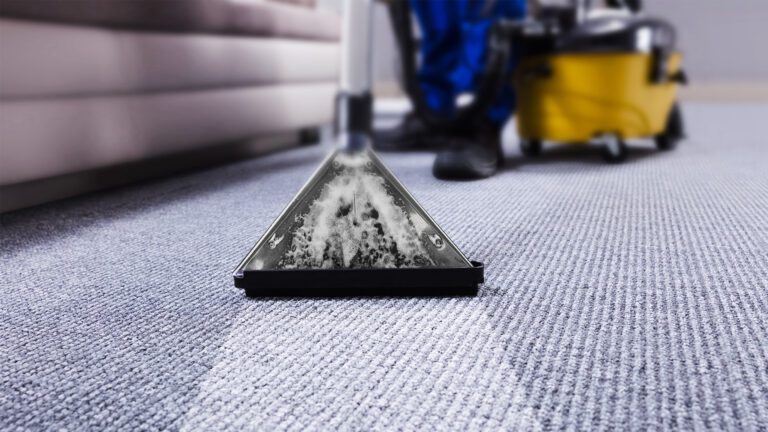
The first synthetic turf was developed by Monsanto and famously replaced natural grass in the Houston Astrodome… remember Astroturf? Today, almost all artificial turf is manufactured from plastic, and most experts agree that plastic fragments and microplastics can be blown or washed from synthetic turf surfaces. Regular maintenance using the proper equipment and vacuum suction can help responsibly remove these materials so they can be properly disposed of in a landfill. Most experts also agree that proper maintenance extends the life of artificial turf, delaying replacement and reducing the amount of material ultimately sent to landfills. The cost of cleaning and maintenance is negligible compared to the cost of replacement, making regular upkeep both economically and environmentally responsible.
After all, we all want to be good stewards of the environment by reducing water use, keeping foreign matter out of waterways, and maintaining healthy trees and plants. Proper care and occasional watering will help you achieve all of those goals.
Jim and Jackie Evensen, founders of The GreensKeeper, are dedicated to helping homeowners keep their artificial turf clean, fresh, and beautiful year-round. Whether you need routine maintenance or a complete restoration, call today for a free estimate and expert advice.
Any content, resident submissions, guest columns, advertisements, and advertorials are not necessarily endorsed by or represent the views of Best Version Media LLC (BVM) or any municipality, homeowners associations, businesses, or organizations that this publication serves. BVM is not responsible for the reliability, suitability, or timeliness of any content submitted, inclusive of materials generated or composed through artificial intelligence (AI). All content submitted is done so at the sole discretion of the submitting party.