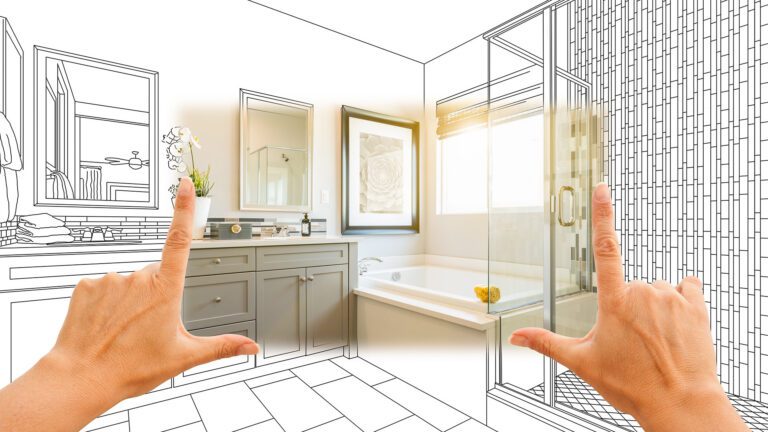
Most homeowners think a remodel begins the day demolition starts. In reality, the success of a project is decided weeks — sometimes months — earlier, in decisions that have nothing to do with paint colors or countertop slabs. After guiding Southwest Michigan families through kitchen, bathroom, and basement renovations, I can tell you the homeowners who love their results almost always share one trait: they invested in the planning.
Here are a few things worth knowing before you sign with anyone.
Define how you actually live in the space. Before scrolling through inspiration photos, sit in the room you want to change and write down what frustrates you. Is the lighting wrong at 6 a.m.? Do two people collide at the sink? A good remodel solves problems first and decorates second. Aesthetic choices made without that foundation tend to look beautiful and function poorly. Build a realistic budget — then add a contingency. Remodeling almost always uncovers something behind the drywall the original walkthrough couldn’t predict: outdated wiring, hidden water damage, framing that wasn’t done to current code. The industry rule of thumb is to reserve 10–20% of your project budget for the unexpected. If you don’t need it, wonderful — you’ll have flexibility for upgrades. If you do, you won’t be forced to compromise on finishes to cover surprises.
Make every selection before construction begins. This is the single biggest factor in whether a project finishes on time. Tile, fixtures, cabinetry, hardware, paint — every decision should be made and every material on hand before the first wall comes down. Mid-project decisions are where timelines slip and costs creep.
Vet the people, not just the price. A low bid that skips permitting, uses unlicensed subs, or glosses over a written timeline almost always costs more in the long run. Ask any prospective contractor for references from projects completed at least a year ago — that’s how you learn whether the work actually holds up.
Finally, expect disruption and plan for it. Even a well-run remodel is a temporary inconvenience in your daily life. Knowing that going in, and having a clear written schedule in hand, turns the experience from stressful into exciting.
A remodel is one of the largest investments most homeowners ever make in their property. The time you spend planning is the cheapest, most powerful tool you have to protect that investment.
Any content, resident submissions, guest columns, advertisements, and advertorials are not necessarily endorsed by or represent the views of Best Version Media LLC (BVM) or any municipality, homeowners associations, businesses, or organizations that this publication serves. BVM is not responsible for the reliability, suitability, or timeliness of any content submitted, inclusive of materials generated or composed through artificial intelligence (AI). All content submitted is done so at the sole discretion of the submitting party.