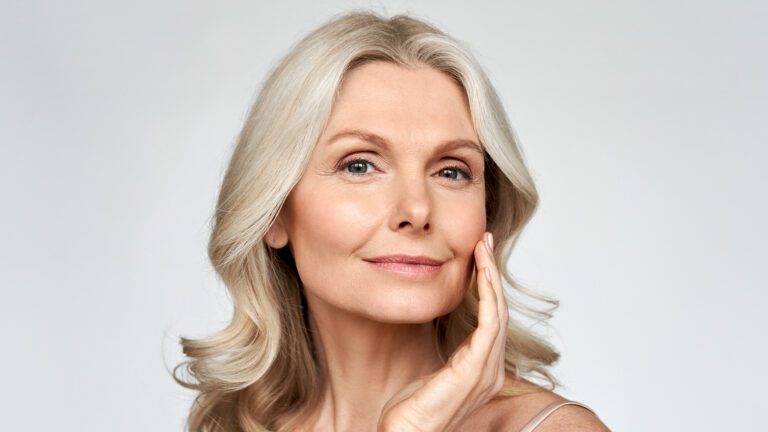
Facial massage and body-focused manual techniques are increasingly prominent in modern wellness routines that emphasize relaxation, circulation, and nervous system balance. While often associated with visible aesthetic changes, current research suggests their primary effects are physiological and temporary, relating to fluid movement, soft tissue response, and stress regulation rather than permanent structural changes.
Facial Massage: Evidence-Based Effects
Facial massage involves gentle, rhythmic manipulation of soft tissue, facial muscles, and superficial fluid pathways. Clinical and dermatological literature suggests several short-term outcomes:
- Increased superficial blood flow, temporarily improving skin brightness.
- Reduction in visible puffiness via fluid redistribution.
- Relaxation of facial musculature, particularly in high-tension areas like the jaw, brow, and midface.
- Activation of parasympathetic nervous system responses, promoting calm and recovery.
These effects are transient and depend on individual physiology. Current evidence does not support claims of permanent lifting, structural reshaping, or long-term reversal of skin aging through massage alone.
Body Work and the Lymphatic System
Body-focused manual therapies aim to support circulation, tissue mobility, and lymphatic function – which is central to fluid balance and immunity.
In medical contexts, manual lymphatic techniques are recognized for managing localized swelling (edema), aiding post-surgical recovery, and supporting supervised lymphedema treatment. In wellness settings, gentler approaches focus on supporting natural fluid movement to reduce sensations of heaviness. Short-term outcomes like reduced puffiness and improved comfort are temporary and influenced by hydration, stress, and individual lymphatic efficiency.
The Face–Body Connection in Manual Therapy
A growing observation in manual therapy views the face as part of a larger system influenced by posture, breath, and muscular tension. Practitioners frequently note relationships between neck and upper chest tension and facial expressions, postural alignment and fluid retention, and stress-holding patterns in the jaw, temples, and scalp. While widely observed, scientific research is still developing to define these mechanisms.
Limitations and Safety
Across existing studies, several limitations remain consistent:
- Small-scale research with limited long-term follow-up.
- Variation in technique and a lack of standardized protocols.
- Insufficient evidence for permanent structural or anti-aging outcomes.
Consequently, these approaches are best understood as supportive wellness techniques rather than corrective interventions. They are generally safe, but caution is recommended regarding acute inflammation, certain vascular conditions, or recent surgeries. Pressure and duration should always be adapted to the individual.
Integrated Wellness Perspective
In contemporary practice, facial and body techniques are increasingly viewed as complementary, addressing how facial tension, posture, and systemic stress interact. Within this framework, combined sessions are sometimes offered as integrated rituals – such as a “Reset Ritual” or “Head to Toe Ritual” – including options performed as a synchronized, four-hands experience.
Summary
Current evidence indicates that these techniques support temporary improvements in circulation, reduction in puffiness, and nervous system relaxation. However, research does not support claims of permanent structural change or detoxification. Ultimately, they are gentle, non-invasive practices that support the body’s natural regulatory and restorative processes.
Any content, resident submissions, guest columns, advertisements, and advertorials are not necessarily endorsed by or represent the views of Best Version Media LLC (BVM) or any municipality, homeowners associations, businesses, or organizations that this publication serves. BVM is not responsible for the reliability, suitability, or timeliness of any content submitted, inclusive of materials generated or composed through artificial intelligence (AI). All content submitted is done so at the sole discretion of the submitting party.