
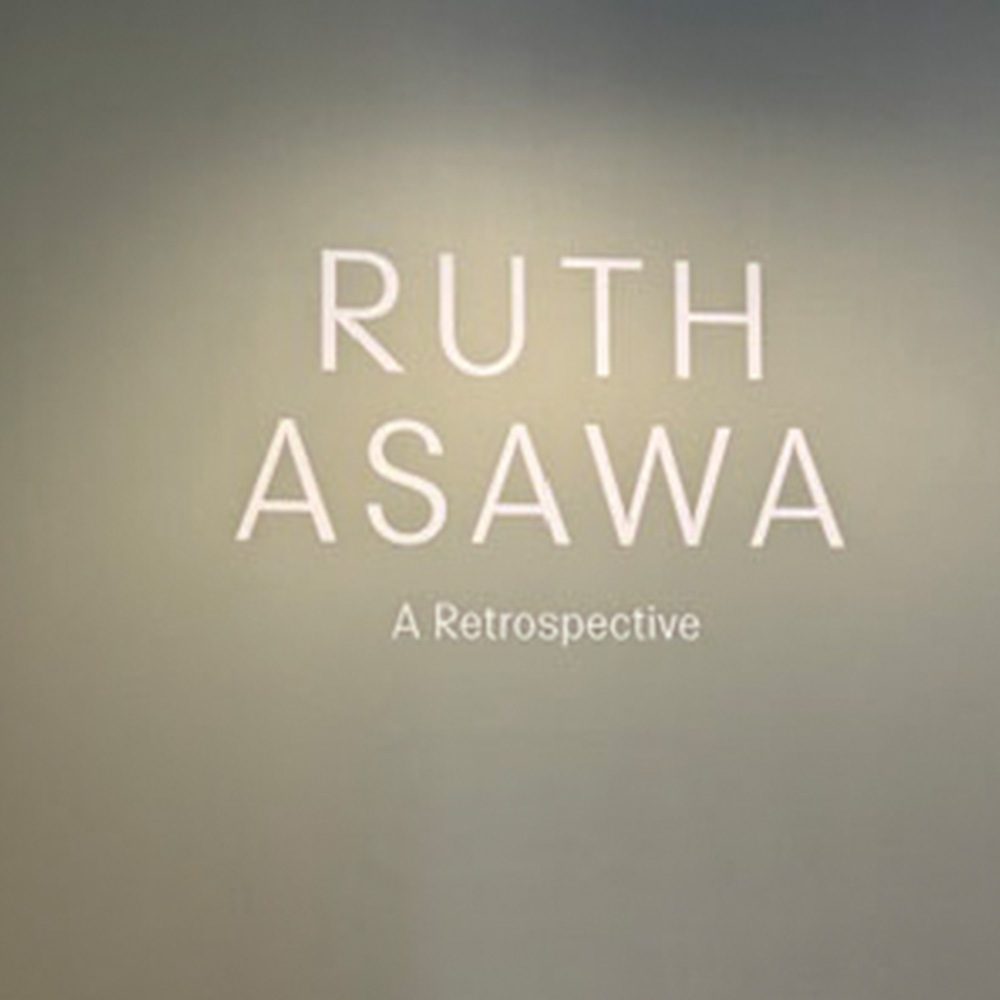
Recently, I had the opportunity to visit an art exhibit featuring the work of sculptor Ruth Asawa. Known for her delicate, intricate wire sculptures, Asawa created pieces that appear almost weightless, beautiful forms made from loops of woven metal that twist and expand in unexpected ways. Standing in front of her work, I was struck by the patience, precision, and creativity that went into each piece.
What surprised me most was how much the experience reminded me of dentistry.
While art and pediatric dentistry may seem like very different worlds, they share a common foundation: attention to detail, thoughtful design, and an appreciation for how small elements come together to form something larger and meaningful.
Ruth Asawa often spoke about how her work was influenced by everyday experiences and the natural world. She believed creativity could be found anywhere, especially when we slow down and observe closely. That idea resonated with me, because dentistry, particularly pediatric dentistry, is also about observation and understanding patterns as children grow and develop.
In my practice, every child’s smile is unique. Just as an artist studies shape, balance, and structure, dentists study the growth of teeth and jaws, the alignment of bites, and the ways habits or breathing patterns influence development. A small change early in childhood can influence the entire structure of the smile as it grows.
Asawa’s sculptures also highlight another important idea: prevention and thoughtful planning matter. Each loop of wire supports the next. If the foundation is strong, the structure can expand gracefully.
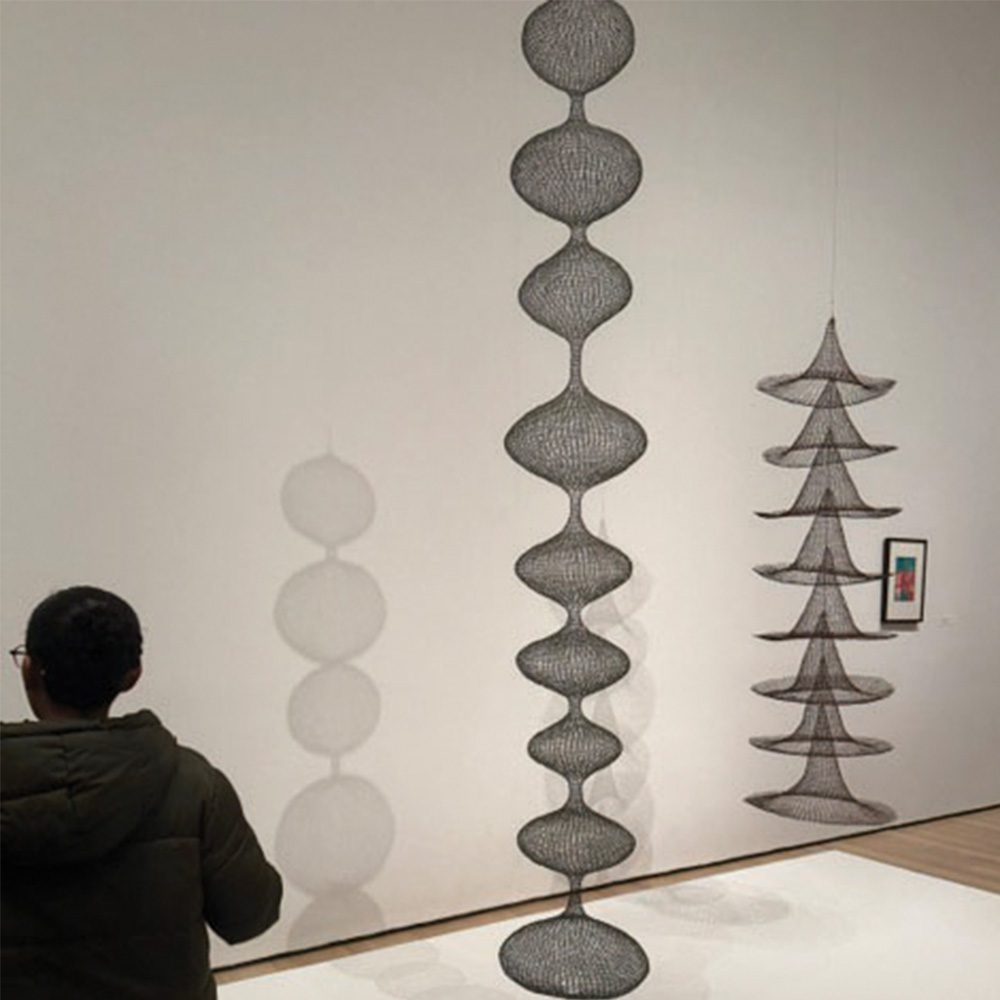
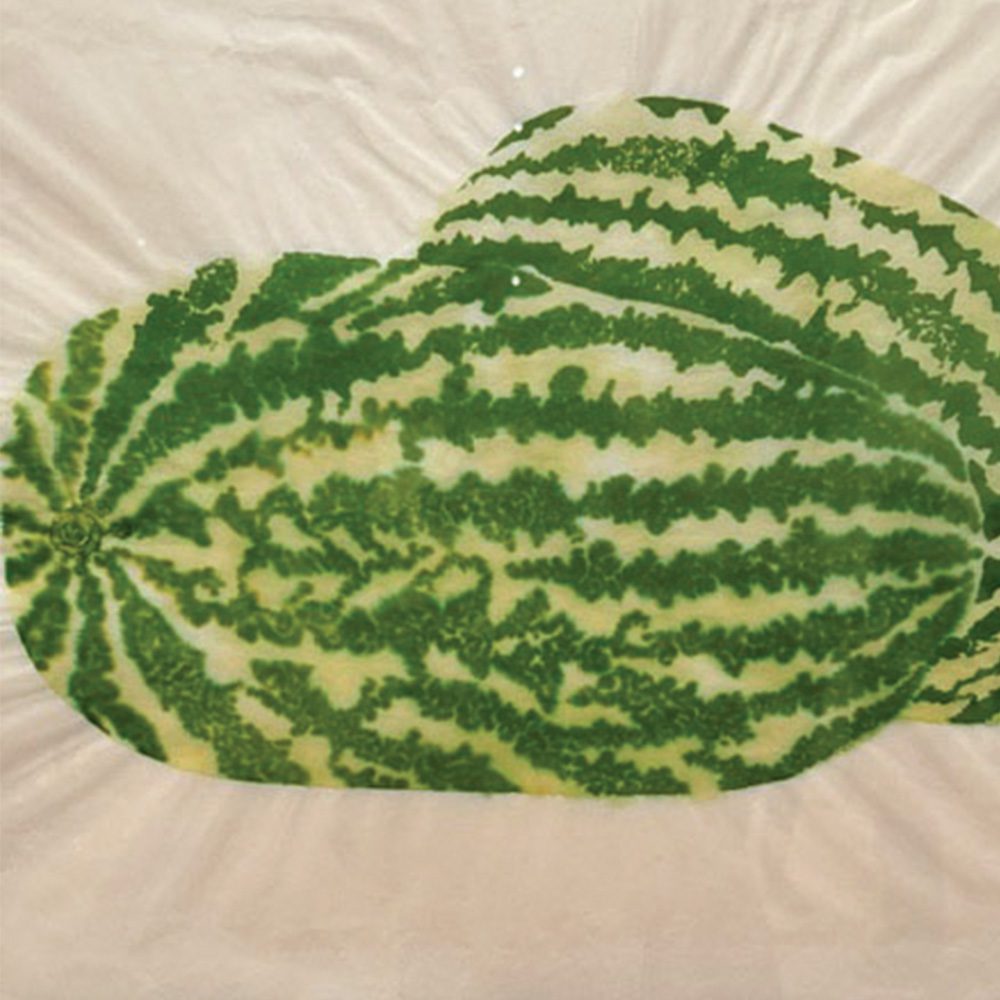
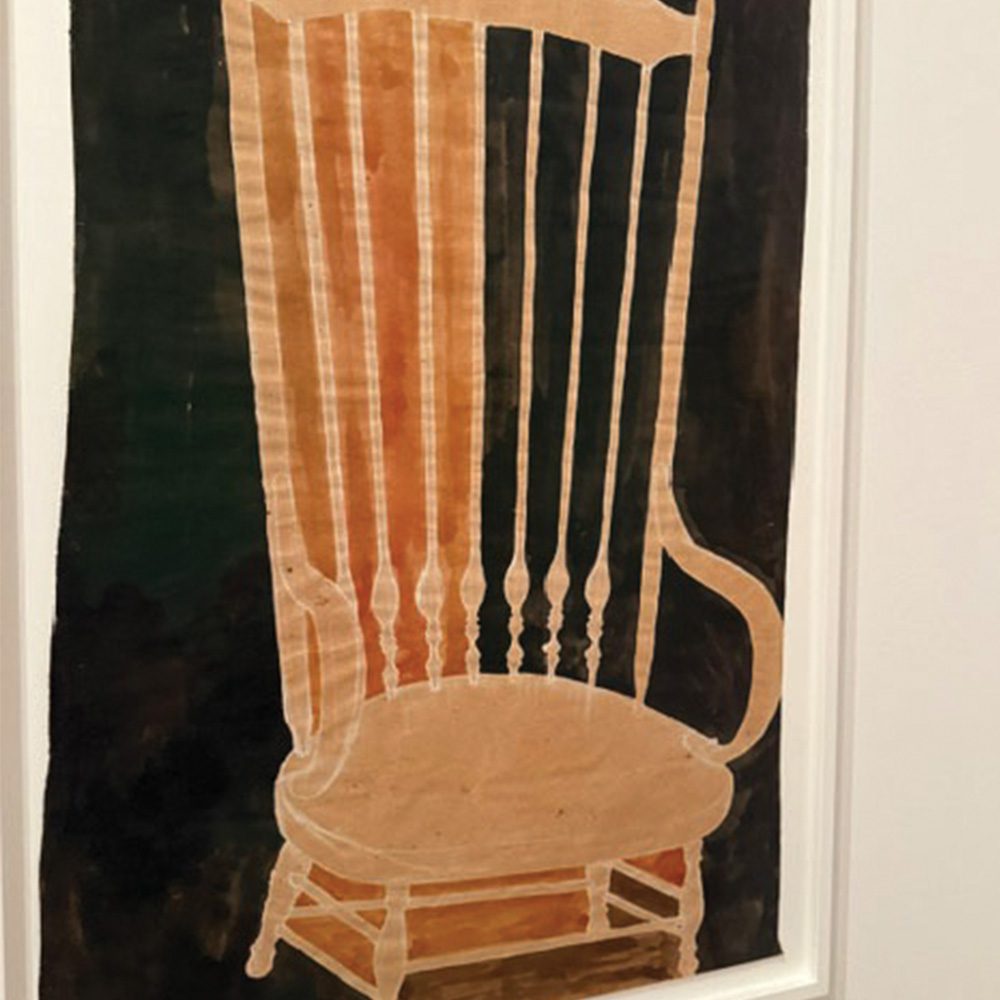

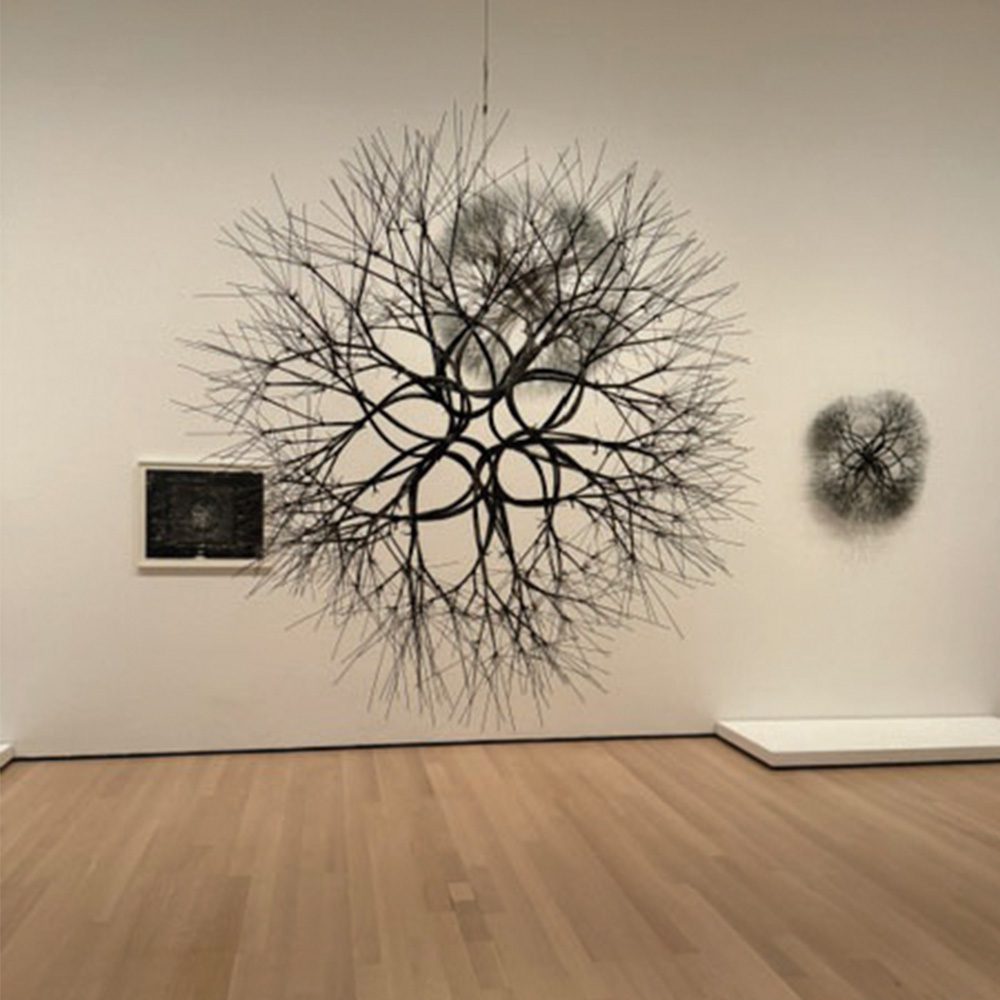
The same is true for children’s oral health. Early dental visits, preventive care, and small interventions—like fluoride treatments, sealants, or monitoring growth—help create a strong foundation for lifelong dental health. When we guide development early, we can often prevent larger problems later.
Another theme in Asawa’s work is education. She was deeply passionate about bringing art into schools and believed creative exploration was essential for children. She spent much of her life advocating for arts education and encouraging children to experiment, ask questions, and see the world differently.
In many ways, pediatric dentistry shares that mission. A large part of our role is educational, helping children learn healthy habits, teaching families about prevention, and empowering kids to feel confident about caring for their own smiles. Just like learning to draw or sculpt, building good health habits early can shape a child’s future in lasting ways.
Experiences outside of dentistry, whether visiting a museum, walking through nature, or attending a community event often provide unexpected inspiration. For me, the Ruth Asawa exhibit was a reminder that creativity and curiosity play an important role in every profession, including healthcare.
Sometimes the most meaningful insights come from stepping outside our usual routines and seeing the world through a different lens.
And occasionally, even a sculpture made of delicate wire can remind us how important it is to build strong foundations, whether in art, education, or a healthy smile.
Dr. Aura Caldera is a board-certified pediatric dentist at Valley Smiles Pediatric Dentistry who focuses on preventive care, airway health, and early dental development in children.
Any content, resident submissions, guest columns, advertisements, and advertorials are not necessarily endorsed by or represent the views of Best Version Media LLC (BVM) or any municipality, homeowners associations, businesses, or organizations that this publication serves. BVM is not responsible for the reliability, suitability, or timeliness of any content submitted, inclusive of materials generated or composed through artificial intelligence (AI). All content submitted is done so at the sole discretion of the submitting party.