As the sun settles into its high-summer groove here in East Fishkill, our backyards become the true heart of the home. But for many homeowners, stepping out onto the patio doesn’t always spark joy. Over time, even the most beautifully designed outdoor spaces can fall victim to the elements—shifting soils, stubborn moss, and the relentless freeze-thaw cycles of New York winters.
At CRE Group Outdoor Innovations, we believe you don’t always need a total demolition to get the “wow” factor back. Sometimes, your patio just needs a strategic rehab. Here is how we look at bringing an existing space back to life.
A successful patio restoration is far more than a surface fix; it is a systematic approach to restoring the beauty and structural integrity of your outdoor living space. Here is how these elements work together to renovate your stone or paver surfaces.
PHASE 1: DEEP CLEANING AND STRUCTURAL LEVELING
The procedure begins with a rigorous deep clean that goes far beyond a simple rinse. By using professional-grade power washing, we strip away years of moss, lichen, and atmospheric pollutants to reveal the stone’s natural vibrancy. However, we balance this power with accuracy; using the correct pressure settings is vital to avoid etching the masonry or compromising the structural strength of the joints.
Once the surface is clear, we address any “rolling hills” or uneven sections. These dips are often signs of base failure caused by settling soil or poor drainage. We resolve this through targeted spot repairs:
- Lifting sunken sections,
- Meticulously recompacting the underlying aggregate base, and
- Relaying the original stones to create a perfectly level surface.
This not only eliminates tripping hazards but also ensures water flows away from your home’s foundation rather than pooling beneath the pavers.
PHASE 2: JOINT STABILIZATION AND PROTECTION
With the patio level and clean, it is time for a functional upgrade of the joints. If your patio has become a breeding ground for weeds and ants, we recommend replacing old loose material with polymeric sand. This high-tech mix of sand and binders hardens once misted with water, effectively “locking” the pavers in place. This creates a strong barrier that:
- Suppresses weed growth and pest nesting,
- Resists washouts during heavy thunderstorms, and
- Reinforces the overall stability of the installation.
PHASE 3: THE FINISHING TOUCH
Finally, think of sealing as the “clear coat” for your outdoor floor. Modern sealants offer a range of finishes, from a subtle “natural matte” to a vibrant “wet look” that deepens the stone’s organic hues. Beyond the aesthetic boost, a high-quality sealer provides a vital protective shield, guarding your investment against oil spills from the grill and staining from fallen leaves. Sealing should be performed only after the joints are fully cured and the stone is bone-dry to ensure the protective barrier bonds properly to the surface.
Choosing to rehabilitate your patio is often more eco-friendly and cost-effective than a full replacement. It preserves the character of your original landscape while ensuring the structure lasts another decade or more.
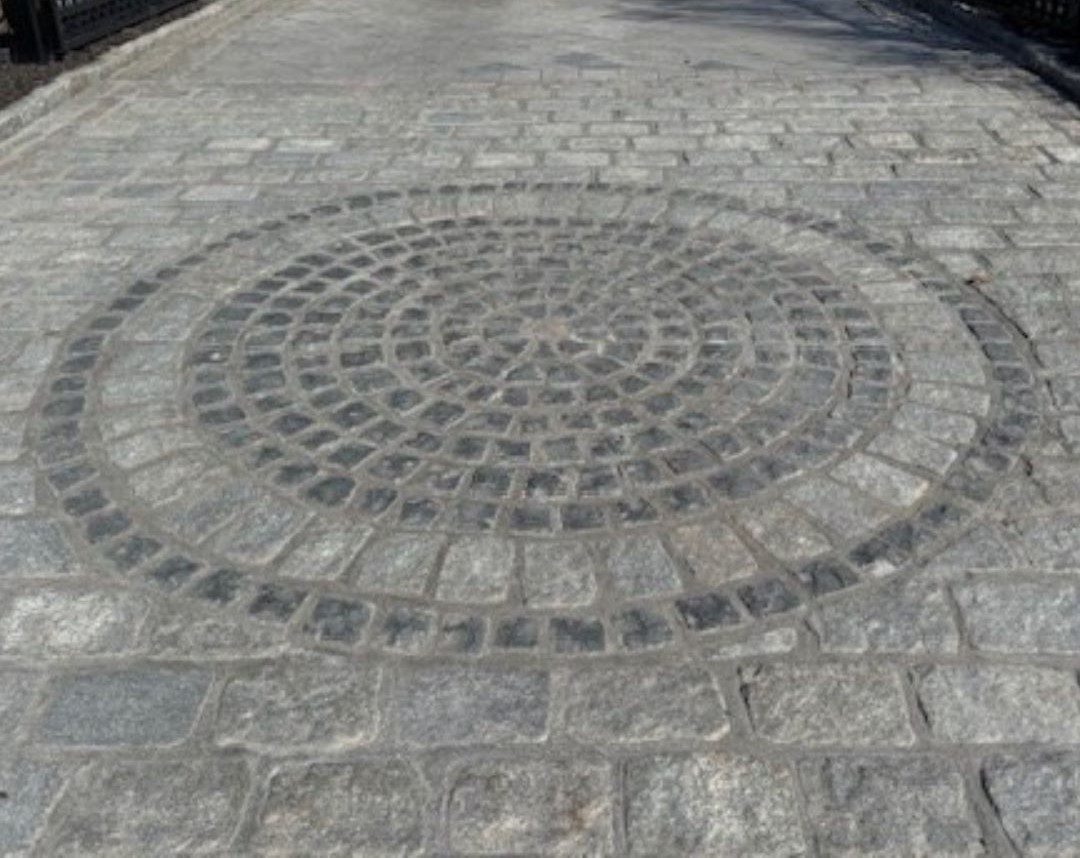
(Submitted by CRE Group)
Once the foundation is restored, don’t forget the finishing touches. Adding a permanent fire pit, upgrading to LED low-voltage lighting, or refreshing your perimeter plantings can make an old patio feel like a brand-new destination.
If your outdoor space is looking a little tired this summer, remember it has good bones. It just needs a little expert care to become your favorite “room” in the house again.
Any content, resident submissions, guest columns, advertisements, and advertorials are not necessarily endorsed by or represent the views of Best Version Media LLC (BVM) or any municipality, homeowners associations, businesses, or organizations that this publication serves. BVM is not responsible for the reliability, suitability, or timeliness of any content submitted, inclusive of materials generated or composed through artificial intelligence (AI). All content submitted is done so at the sole discretion of the submitting party.