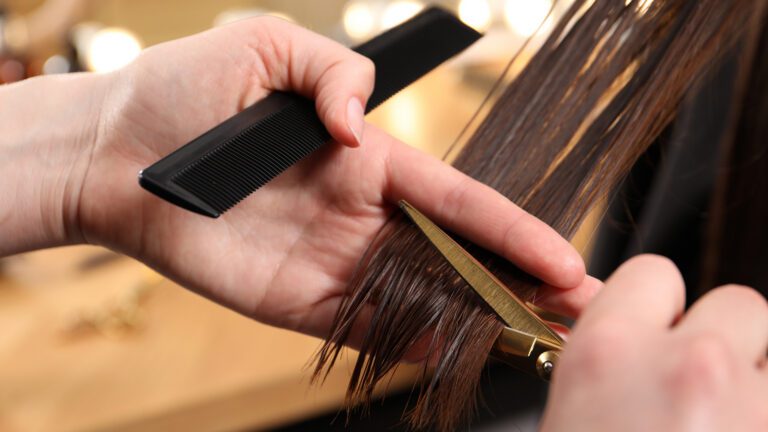
Living in Florida means learning to navigate one thing that affects almost everyone’s appearance at some point during the year: humidity. While most people associate humidity with uncomfortable summer temperatures, it also has a significant impact on the health, texture, and manageability of hair.
Florida consistently ranks among the most humid states in the country. According to data from the National Weather Service, average relative humidity throughout much of Central and West Central Florida frequently ranges between 70 and 90 percent, particularly during the summer months. For residents of Pinellas County and communities surrounding Lake Tarpon, Oldsmar, Palm Harbor, and Tarpon Springs, high humidity is simply part of daily life. Unfortunately, it is also one of the biggest contributors to frizz, dryness, breakage, and loss of style longevity.
The reason humidity affects hair so dramatically comes down to science. Hair is naturally porous, meaning it can absorb moisture from its environment. When moisture in the air enters the hair shaft, hydrogen bonds within the hair temporarily break and reform. This causes the hair fiber to swell, resulting in frizz, puffiness, and loss of smoothness. Hair that has been color-treated, chemically processed, or exposed to heat styling often has a more damaged cuticle layer, making it even more susceptible to moisture absorption.
Research published in the International Journal of Cosmetic Science has shown that damaged hair fibers can absorb significantly more atmospheric moisture than healthy hair, which explains why some people struggle with frizz regardless of how much product they use. The key is not simply coating the hair but improving its structural integrity from the inside out.
That understanding is driving some of the biggest innovations in professional haircare in 2026. One of the fastest-growing categories in the beauty industry is bond-building technology. Treatments designed to repair and reinforce internal disulfide bonds help strengthen hair fibers that have been weakened by coloring, bleaching, chemical services, heat styling, and environmental stressors. By improving the internal structure of the hair, these treatments help reduce moisture absorption and improve overall resilience in humid climates.
Another major shift is the industry’s increased focus on scalp health. Dermatologists and trichologists continue to emphasize that healthy hair begins with a healthy scalp. Just as healthy soil is essential for a thriving garden, a balanced scalp environment is critical for stronger, healthier hair growth. Professional scalp treatments, exfoliation services, hydration therapies, and circulation-boosting treatments are becoming increasingly popular as clients recognize the connection between scalp wellness and long-term hair health.
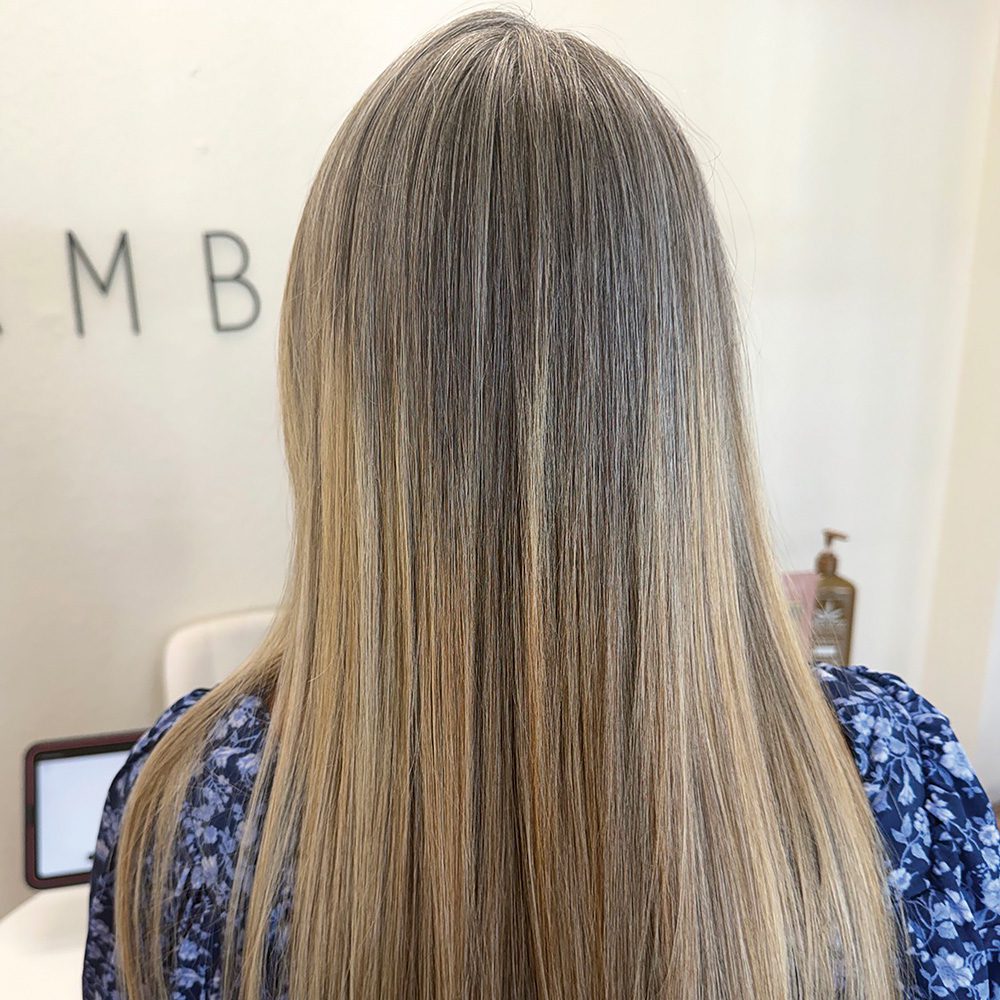
Hydration itself has also become more sophisticated. For years, many consumers believed that heavier oils automatically equaled better moisture control. In reality, certain oils can actually attract additional moisture in humid environments, leading to increased swelling and frizz. Today’s advanced professional formulations focus on balancing humectants such as glycerin with lightweight emollients and conditioning agents that help maintain hydration without overloading the cuticle or creating unwanted buildup.
Gloss treatments are another service experiencing tremendous growth. Beyond providing shine, modern glosses help smooth and seal the outer cuticle layer, reducing porosity and limiting the amount of environmental moisture that can penetrate the hair shaft. Clients often notice improved manageability, enhanced color longevity, and greater resistance to Florida’s challenging weather conditions.
One often-overlooked factor is the impact of ultraviolet exposure. Florida residents receive significantly more year-round UV exposure than many other regions of the country. Studies have shown that prolonged UV exposure can degrade keratin proteins within the hair, weaken the cuticle, increase porosity, and accelerate color fading. The result is hair that becomes increasingly vulnerable to humidity-related issues. For this reason, many professional stylists now recommend products that provide both thermal protection and UV protection throughout the year, not just during the summer months.
Lifestyle also plays a role. Frequent swimming, saltwater exposure, air conditioning, and repeated transitions between outdoor humidity and indoor climate-controlled environments can all contribute to dehydration and cuticle damage. These factors make customized haircare routines more important than ever for Florida residents.
The future of frizz management is not about fighting your hair. It is about understanding the environment, protecting the hair’s structure, and utilizing science-backed treatments that support long-term health. With the right combination of professional care, advanced treatments, and personalized home maintenance, healthy, manageable hair is achievable even in one of the most humid climates in the country.
At Ambiance Salon, we view humidity not as an enemy, but as a factor to plan for. By focusing on hair strength, scalp health, and modern treatment technologies, we help clients achieve hair that remains polished, healthy, and beautiful throughout every Florida season.
Any content, resident submissions, guest columns, advertisements, and advertorials are not necessarily endorsed by or represent the views of Best Version Media LLC (BVM) or any municipality, homeowners associations, businesses, or organizations that this publication serves. BVM is not responsible for the reliability, suitability, or timeliness of any content submitted, inclusive of materials generated or composed through artificial intelligence (AI). All content submitted is done so at the sole discretion of the submitting party.