As summer temperatures rise in Minnesota, your air conditioning system works hard to keep your home comfortable. What many homeowners don’t realize is that even small issues can force an A/C system to work much harder than it should. When efficiency drops, energy bills rise and unnecessary wear and tear can shorten the life of expensive components.
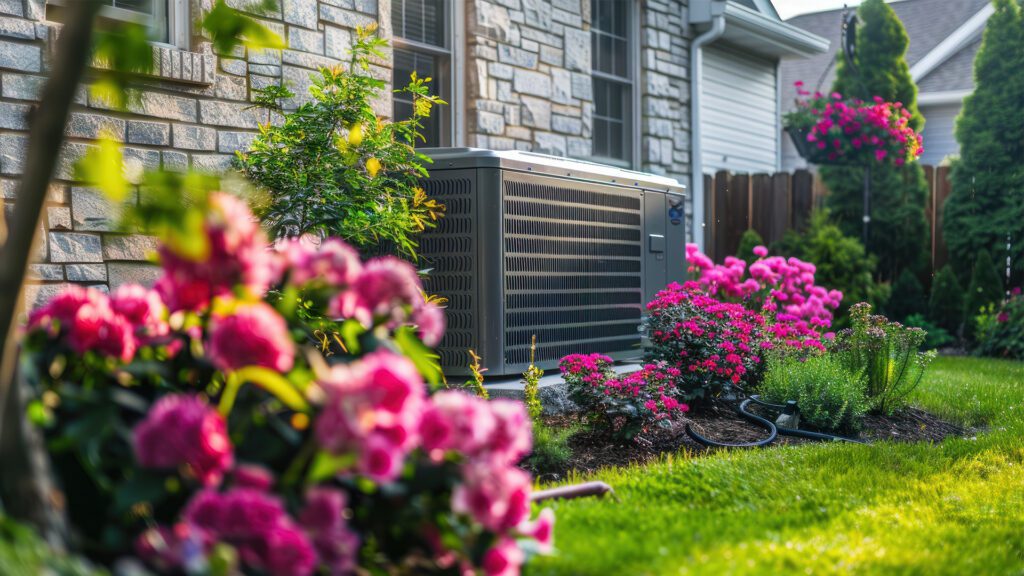
One of the biggest factors affecting A/C performance is airflow. Your outdoor condenser coil releases heat from your home, but dirt, pollen, grass clippings, and cottonwood can build up on the coil fins. Sometimes the coil may not even look dirty, but a thin film can still restrict airflow significantly. When airflow is reduced, the system runs hotter and puts additional stress on the compressor.
Another common issue is a weak capacitor. The capacitor is an electrical component that helps start and run the outdoor unit properly. As capacitors weaken over time, the compressor must work harder to operate. Over the course of summer, that extra strain can significantly shorten compressor life. Because air conditioning systems run off of 240 volts, electrical testing should always be performed by a trained technician.
Inside the home, the evaporator coil and blower wheel also need to stay clean. The indoor A/C coil is typically located above the furnace and can collect dust over time, reducing airflow and cooling performance. A dirty blower wheel makes it harder to move air through your ductwork, causing the system to work harder than necessary.
Fortunately, there are several simple things homeowners can do to help their system operate efficiently:
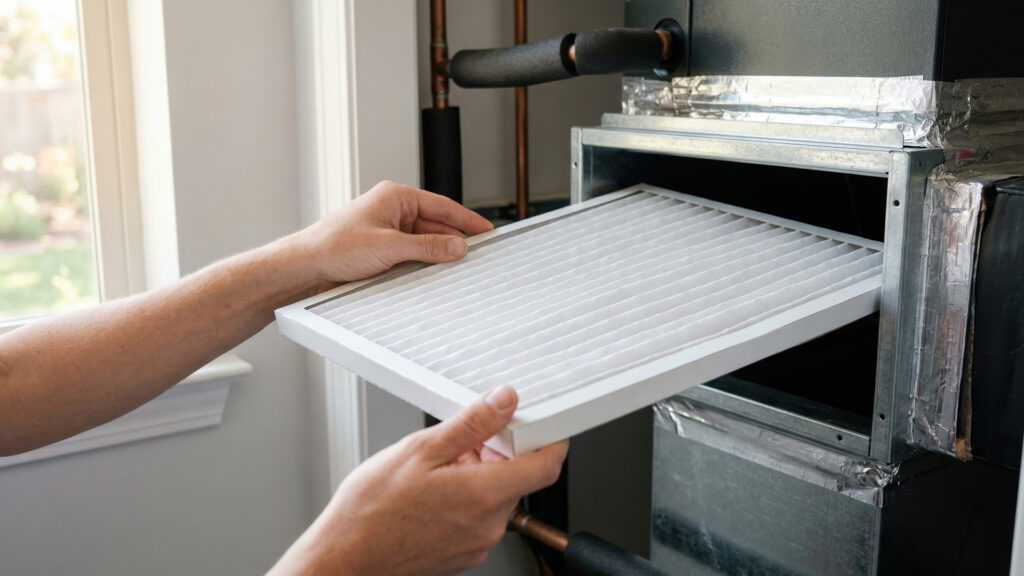
- Replace or clean your furnace filter regularly
- Keep supply vents open
- Make sure return vents are not blocked by furniture or rugs
- Rinse off the outdoor condenser unit during the summer, especially if cottonwood trees are nearby (Important – Rinse in a downward direction)
- If your furnace has a humidifier, make sure the humidifier damper is closed during cooling season
Your system will often give warning signs when something is wrong. Watch for these common symptoms:
- The home is not reaching the thermostat setting
- Water leaking around the furnace
- Whistling noises during operation
- The outdoor unit sounds louder than normal
- Higher utility bills without explanation
Routine maintenance is one of the best investments homeowners can make. Keeping your system clean and operating at peak efficiency can extend equipment life, lower energy costs, and help prevent unexpected breakdowns during the hottest days of summer.
Any content, resident submissions, guest columns, advertisements, and advertorials are not necessarily endorsed by or represent the views of Best Version Media LLC (BVM) or any municipality, homeowners associations, businesses, or organizations that this publication serves. BVM is not responsible for the reliability, suitability, or timeliness of any content submitted, inclusive of materials generated or composed through artificial intelligence (AI). All content submitted is done so at the sole discretion of the submitting party.