While advances in medicine continue to help us live longer than ever before, longevity (or lifespan) isn’t the only metric that matters. Equally important is our healthspan, ie. the quality of our years, and our ability to continue to engage in the things we enjoy with the people we love.
Fortunately, there’s a lot that can be done to reduce and reverse the age-related changes that rob us of agency and our ability to live a fulfilling life.
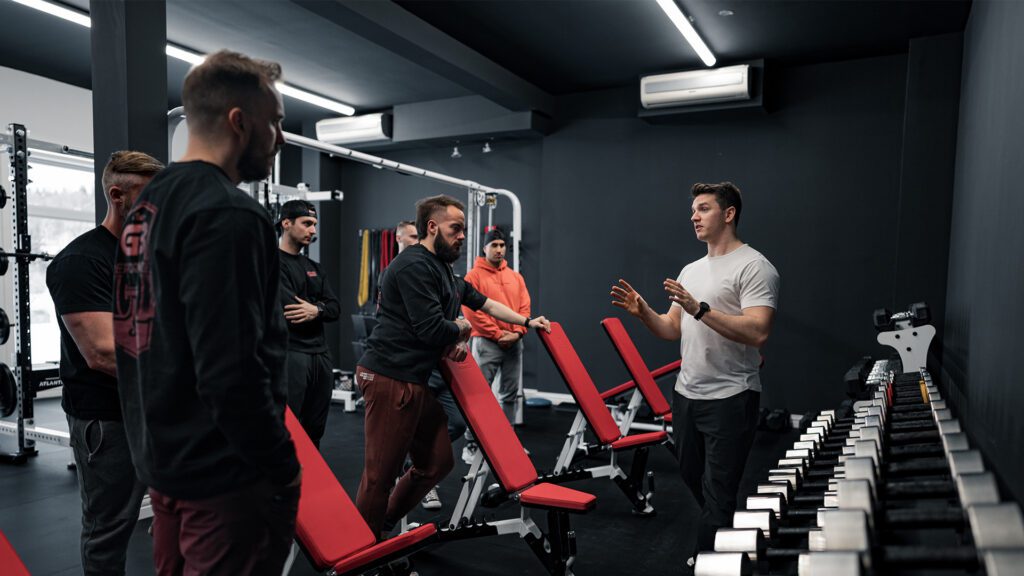
In this brief article, I highlight the importance of regular exercise and strength training for musculoskeletal, metabolic and brain health and a few recommendations you can implement today to improve your life, tomorrow. Let’s dig into it.
Use It, Or Lose It
Most people assume that our age causes us to become weaker, slower, and less capable. While aging does bring with it inevitable physiological changes, many of the age-related changes that we experience are primarily due to changes in our lifestyle, not how old we are on the calendar. This is an important distinction because this means that we have much more control over how we age than we previously thought. Regardless of age, it’s never too late to improve our life and our healthspan.
Regular exercise, done with sufficient effort, creates stronger muscles, bones, tendons, ligaments, promotes healthier vasculature, a healthier heart and a healthier brain. Inactivity, however, contributes to the ongoing weakening of all the structures mentioned above.
Intensity Matters
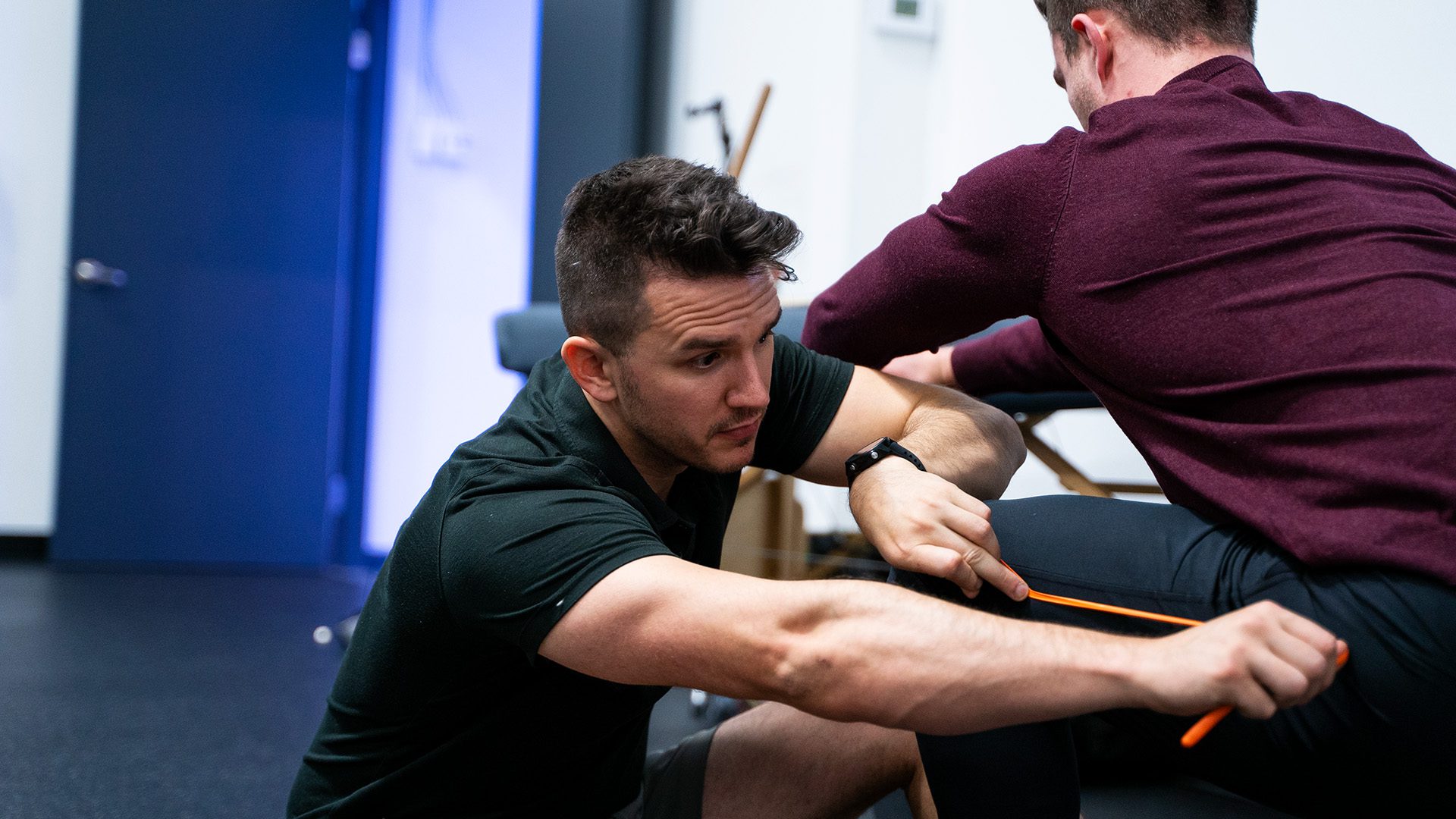
While lower intensity exercise offers many health benefits, it doesn’t prevent age-related muscle and strength changes as effectively as other activities. To explain this, we need a bit of science.
Muscle is composed of high-threshold and low-threshold motor units (fibers). Low-threshold motor units are stimulated during easier tasks, and high-threshold motor units are stimulated during harder ones.
Day-to-day tasks and easier forms of exercise, such as walking and gardening, largely stimulate lower-threshold motor units. Over time, this leads to the progressive atrophy of our higher-threshold motor units, resulting in muscle loss, weakness, and a general loss of function.
Getting up from the floor with minimal assistance, carrying groceries, climbing stairs without fear, playing with grandchildren, or travelling, all require strength.
And regular exercise, done with intensity, promotes the strength we need.
The Best Exercise Is the One You’ll Do
Exercise comes in many forms, like yoga, dancing, and weightlifting. What matters most is consistency and adequate intensity.
Find activities that challenge you and allow you to move regularly. Your body doesn’t know whether movement comes from a gym, a tennis court, or a bicycle. It simply responds to the demands placed upon it.
Final Thoughts
While none of us can stop the passage of time, we can significantly influence how we age by the choices we make each day. Every active choice is an investment in our future self.
If you have any questions about how or where to start, I invite you to connect with me via the email linked below. I’d love to help.
Now get out there and enjoy summer!
Any content, resident submissions, guest columns, advertisements, and advertorials are not necessarily endorsed by or represent the views of Best Version Media LLC (BVM) or any municipality, homeowners associations, businesses, or organizations that this publication serves. BVM is not responsible for the reliability, suitability, or timeliness of any content submitted, inclusive of materials generated or composed through artificial intelligence (AI). All content submitted is done so at the sole discretion of the submitting party.