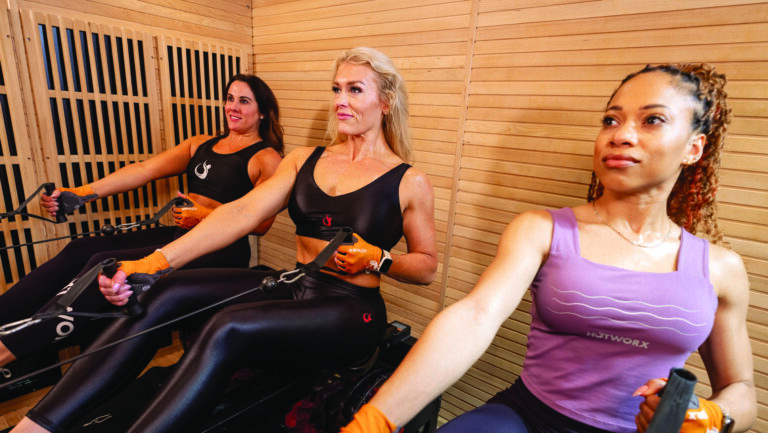
In a fitness industry often dominated by quick fixes, extreme workouts, and short-term transformations, a growing movement is shifting the focus back to what matters most: how the body moves. Functional movement training is more than a workout trend — it’s a systematic approach to improving strength, mobility, stability, and overall performance in everyday life. Whether someone is an athlete looking to gain a competitive edge, a busy professional dealing with chronic aches and pains, or an older adult seeking to maintain independence, the ability to move efficiently is the foundation of long-term health. At the heart of this philosophy is the belief that fitness should enhance life, not just appearance.
What Is Functional Movement Training?
Functional movement training focuses on teaching the body to move the way it was designed to move. Rather than isolating individual muscles, exercises are selected to improve movement patterns involving multiple joints and muscle groups working together. Common movements such as squatting, bending, reaching, pushing, pulling, rotating, and walking form the basis of many training programs. By improving these fundamental patterns, individuals can develop greater strength, balance, coordination, and resilience. The goal is not simply to lift heavier weights or burn more calories. The goal is to move better, feel better, and perform better in daily life.
Identifying the Root Cause
Many people begin exercising to address pain, discomfort, or physical limitations. However, symptoms often develop because of underlying movement dysfunctions that have gone unnoticed for years. Through movement assessments and individualized evaluations, clients can identify areas of limited mobility, poor stability, muscular imbalances, and compensation patterns. Once these issues are identified, a targeted training plan can be developed to address the root cause rather than simply masking symptoms. This personalized approach helps create safer, more effective exercise programs while reducing the risk of injury.
Training for Real Life
One of the greatest benefits of functional movement training is its direct transfer to everyday activities. Carrying groceries, climbing stairs, lifting children, working in the yard, participating in recreational sports, and maintaining good posture throughout the day all require efficient movement patterns. By strengthening the body through movements rather than isolated muscles alone, clients often experience improvements that extend well beyond the gym. Increased energy, reduced discomfort, better balance, enhanced athletic performance, and greater confidence in movement are just a few of the outcomes commonly reported.
A Personalized Approach to Fitness
No two individuals move the same way, which is why personalized programming is essential. Every client begins with different goals, limitations, and movement histories. A successful training program takes these factors into account and creates a plan that evolves alongside the client’s progress. Whether the objective is weight loss, injury prevention, athletic performance, or overall wellness, functional movement training provides a framework that can be adapted to meet individual needs.
The Future of Fitness
As more people recognize the importance of movement quality, functional training continues to gain momentum among fitness professionals, healthcare providers, and clients alike. The future of fitness is not simply about exercising harder — it is about exercising smarter. By focusing on movement efficiency, stability, mobility, and strength, individuals can build a foundation that supports lifelong health and performance. When people learn to move well, they gain more than physical fitness. They gain the freedom to live, work, play, and perform at their highest potential. For many, that transformation begins with a single step: understanding how their body moves and committing to improving it every day.
Any content, resident submissions, guest columns, advertisements, and advertorials are not necessarily endorsed by or represent the views of Best Version Media LLC (BVM) or any municipality, homeowners associations, businesses, or organizations that this publication serves. BVM is not responsible for the reliability, suitability, or timeliness of any content submitted, inclusive of materials generated or composed through artificial intelligence (AI). All content submitted is done so at the sole discretion of the submitting party.