As much as I hate to say it, summer has officially left the building. The days are shorter and the air is crisp. Kids are back in school, football season is in full swing, and Halloween is just around the corner. October is a time of transition — not just for our routines but for our yards and landscapes. As autumn temperatures drop and overnight dips start hovering near freezing, Jack Frost is officially knocking at our door. Before the first hard freeze settles in, taking a few key steps now will protect your tender plants, safeguard your landscape investments, and ensure your garden hits the ground running come spring.
Before we jump into our October checklist, it helps to understand how frost actually forms. We’ve all seen it — an icy lawn in the morning or frosted patterns on a windshield — but what causes it? Frost occurs when the surface temperature of an object drops to 32°F or colder. Crucially, this can happen even when official air temperatures stay slightly above freezing; cold air is heavy, so it settles into low spots in the yard while air temperature readings are taken several feet off the ground. When in doubt, keep an eye on local forecasts for frost advisories.
Thanks to our proximity to Lake Erie, our immediate area typically experiences its first frost later than regions further inland. You can generally expect our first light frost around mid-to-late October, signaling the end of the active growing season.
Submitted photo
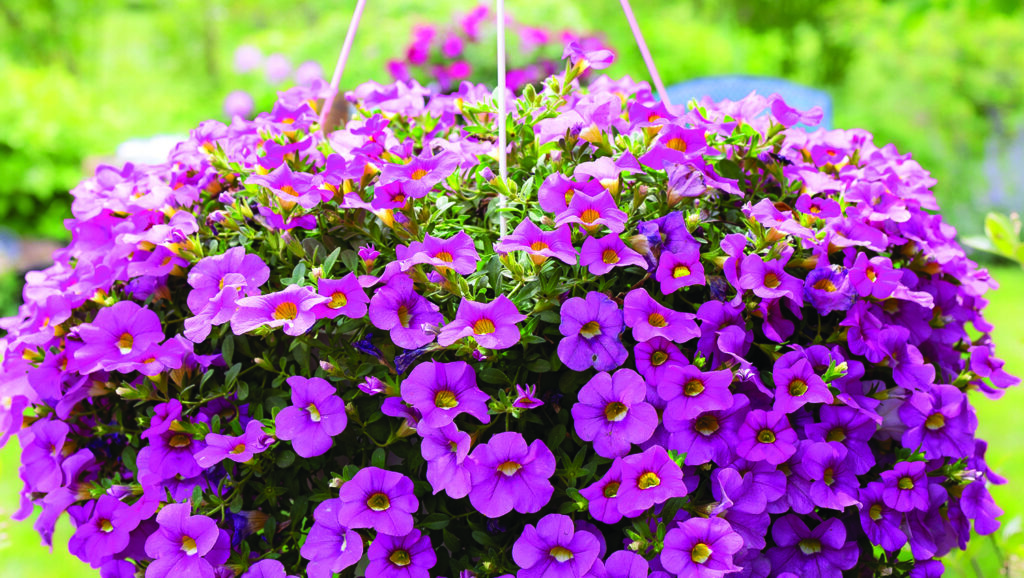
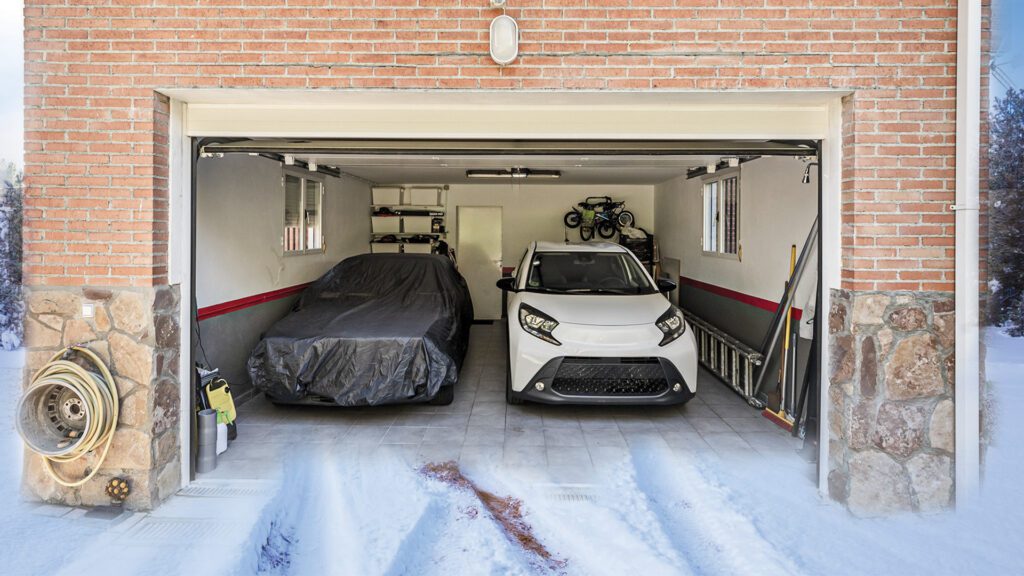
That doesn’t mean your outdoor color has to disappear overnight, though! Tender annuals in pots or hanging baskets can simply be moved indoors or into the garage for the night and brought back out when daytime temperatures warm up. For tender blooms planted in the ground, throwing a breathable bedsheet or frost cloth over them overnight will stretch their season a bit longer. And if an unexpected freeze zaps your summer flowers, swapping them out with fall-hardy mums is an easy way to keep your entryways looking fresh.
If you have a vegetable garden, now is the time to gather the remaining harvest. When nighttime temperatures consistently hover in the 40s, outdoor ripening stalls and the risk of fruit rot climbs. Mature green tomatoes will finish ripening indoors if kept in a single layer in a cardboard box at room temperature. Full-sized peppers won’t ripen further off the vine, but picking them green before a hard freeze keeps them crisp and completely usable for cooking.
One critical step I always stress to homeowners — and one that is far too often overlooked — is never to let your landscape go into winter dry. Our Buffalo winters are tough on plants, and moist soil retains ground heat much better while giving roots the hydration foliage needs to survive desiccating winter winds. Give your trees, shrubs, and perennials a thorough, deep soaking before the ground freezes hard. Your plants will thank you for it come May.
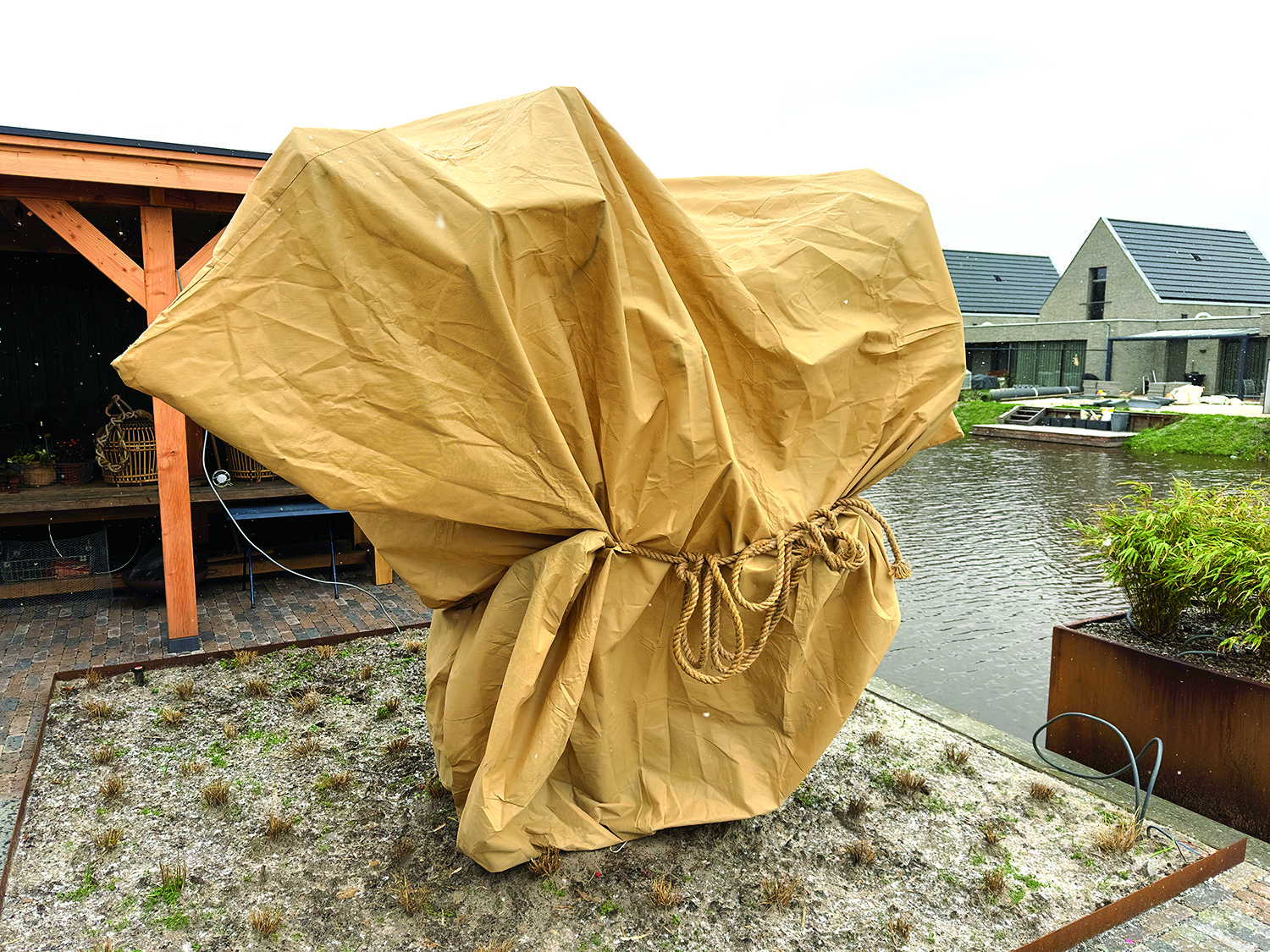
Finally, while structural plant protection like burlap wrapping and shrub covers are great tools against winter wind and deer, hold off for now. Wrapping plants too early in October causes far more harm than good. Trapped daytime heat creates high humidity that invites fungal diseases, delays the plant’s natural hardening-off process, and builds a cozy winter home for nesting rodents. Save the burlap and protective frames for mid-to-late November—after the ground has frozen, but right before the heavy snow arrives.
Taking a few simple precautions this month ensures that when Jack Frost officially lays claim to Western New York, your landscape is ready for it. October isn’t about shutting down the garden entirely—it’s about helping your plants transition safely into their winter sleep. Get those final harvests in, give your root zones a good soak, and save the heavy plant wraps for November. Your garden will weather the deep freeze with ease and wake up ready to thrive come spring.
Any content, resident submissions, guest columns, advertisements, and advertorials are not necessarily endorsed by or represent the views of Best Version Media LLC (BVM) or any municipality, homeowners associations, businesses, or organizations that this publication serves. BVM is not responsible for the reliability, suitability, or timeliness of any content submitted, inclusive of materials generated or composed through artificial intelligence (AI). All content submitted is done so at the sole discretion of the submitting party.