Millions of Americans struggle daily with neuropathy, yet many are unaware that there may be options beyond simply managing symptoms.
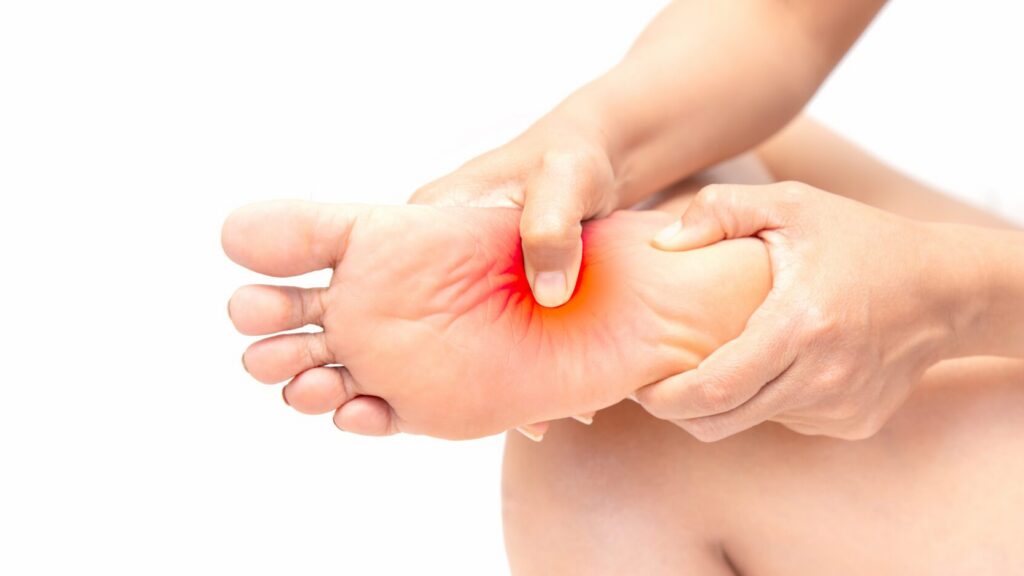
If you experience numbness, tingling, burning sensations, stabbing pain, balance problems, or weakness in your feet and legs, you are not alone. Peripheral neuropathy affects an estimated 20 million Americans and can significantly impact quality of life, independence, and overall health.
Neuropathy often begins gradually. You may notice numbness in your feet at night, occasional tingling, or difficulty maintaining balance. Over time, these symptoms can worsen, making everyday activities more challenging and increasing the risk of falls and injury.
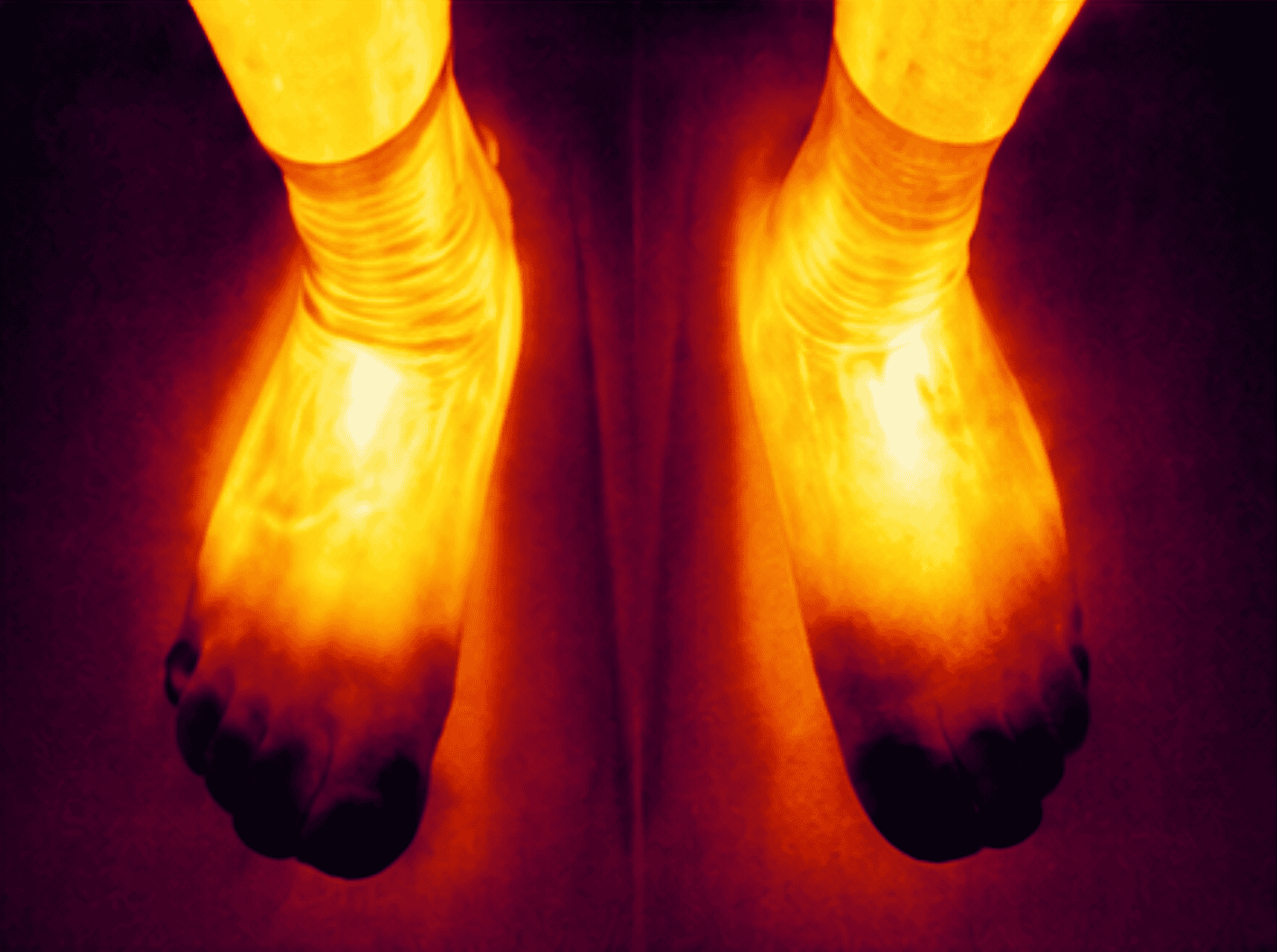
Before (Submitted photo)
Understanding Neuropathy
Peripheral neuropathy occurs when nerves become damaged and can no longer properly communicate signals between the brain and body. While diabetes is one of the most common causes, neuropathy may also result from poor circulation, injuries, autoimmune conditions, chemotherapy, nutritional deficiencies, and other underlying health concerns.
Unfortunately, many individuals are told they simply have to live with the condition. While medications may help reduce discomfort, they often do little to address the factors contributing to nerve dysfunction.
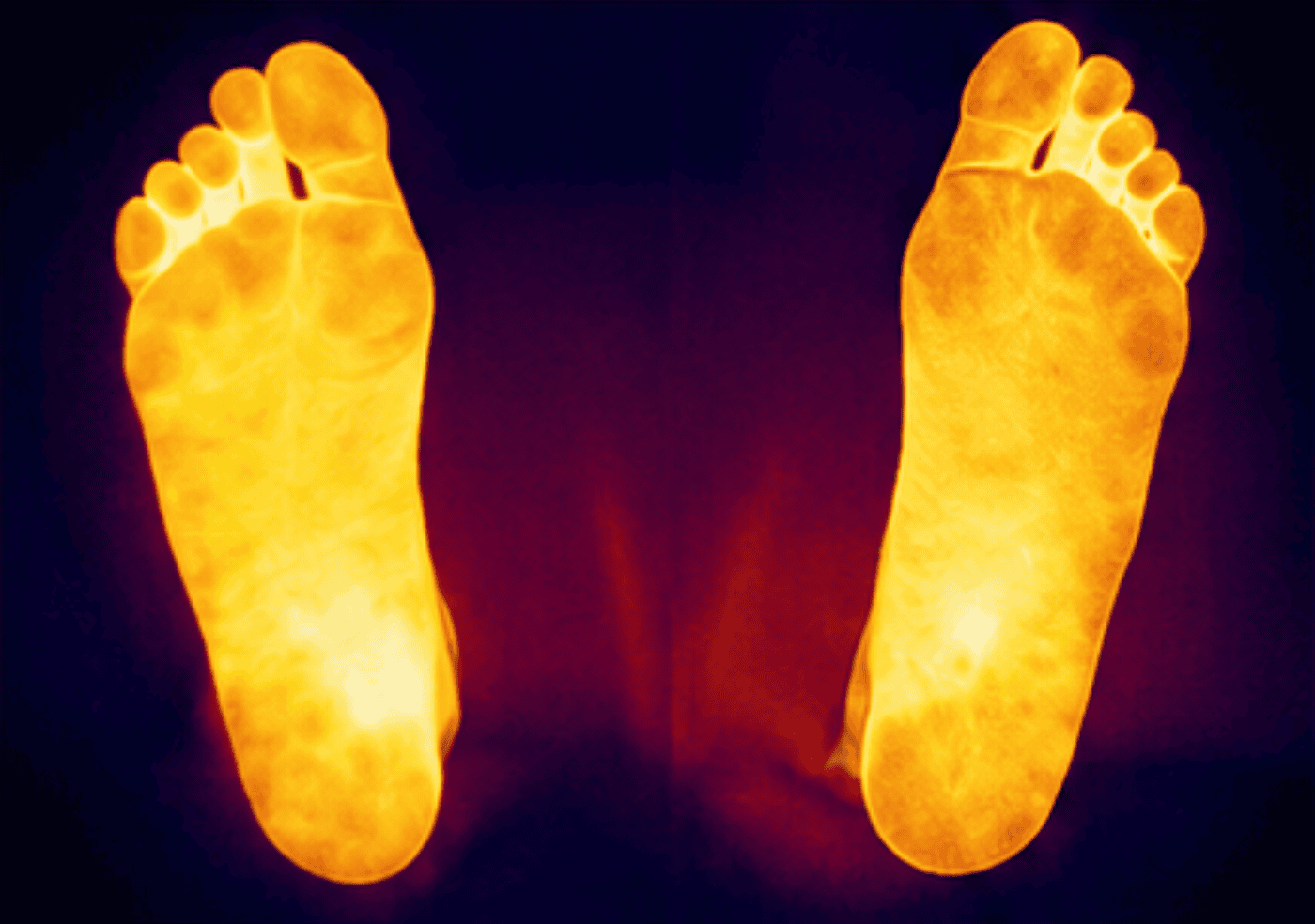
After (Submitted photo)
A Different Approach: Rehabilitation and Correction
Modern neuropathy rehabilitation focuses on supporting the body’s natural ability to heal and improve nerve function whenever possible.
Rather than focusing solely on symptom management, comprehensive rehabilitation aims to improve the environment in which nerves function. This approach may include:
- Improving circulation to nourish damaged nerves
- Stimulating nerve pathways to encourage healthier communication
- Enhancing balance and stability
- Supporting tissue healing and cellular health
- Addressing biomechanical stress and spinal dysfunction
- Providing personalized recommendations for long-term nerve health
When contributing factors are addressed, many patients experience improvements in comfort, sensation, balance, and mobility.
Why Early Intervention Matters
One of the most important factors in neuropathy recovery is timing. Nerves have an incredible ability to adapt, but prolonged damage can make rehabilitation more difficult.
Common warning signs include:
- Numbness in the feet or hands
- Burning or tingling sensations
- Difficulty balancing
- Sharp, shooting pain
- Muscle weakness
- Increased sensitivity to touch
- Feeling like you are walking on cotton, sand, or pebbles
A comprehensive evaluation can help determine the severity of nerve involvement and identify possible contributing factors.
There Is Hope
Many people undergoing neuropathy rehabilitation report walking farther, standing longer, sleeping better, and returning to activities they once enjoyed. While every case is unique and no healthcare provider can guarantee results, many individuals are encouraged to discover that improvement is possible.
If you or someone you love has been diagnosed with neuropathy, know that there may be more options available than you realize.
The first step is understanding the cause of the problem and exploring whether a comprehensive rehabilitation approach may be appropriate for your situation.
You do not have to accept numbness, pain, or loss of balance as an inevitable part of aging.
With proper evaluation, targeted rehabilitation, and a personalized plan, many people find renewed hope and a path toward better nerve health.
This article was provided by the providers at Healing Well Chiropractic & Neuropathy Care, who are dedicated to helping patients improve function, mobility, and quality of life through comprehensive, non-invasive neuropathy rehabilitation programs designed to address the underlying factors contributing to nerve dysfunction.
Any content, resident submissions, guest columns, advertisements, and advertorials are not necessarily endorsed by or represent the views of Best Version Media LLC (BVM) or any municipality, homeowners associations, businesses, or organizations that this publication serves. BVM is not responsible for the reliability, suitability, or timeliness of any content submitted, inclusive of materials generated or composed through artificial intelligence (AI). All content submitted is done so at the sole discretion of the submitting party.