Most homeowners rarely think about their electrical system until something suddenly stops working. But from an electrical safety professional’s perspective, the most serious risks often develop long before anything fails quietly, behind walls and within breaker panels that work nonstop to power daily life.
What makes this issue especially important today is how dramatically home electrical demand has changed. Many homes were built decades before modern technology became standard. At that time, households didn’t rely on multiple large appliances, home offices, smart devices, gaming systems, and continuous charging stations all operating at once. As a result, older electrical systems are often pushed far beyond what they were originally designed to handle.
One of the most common misconceptions homeowners have is that electrical problems are always obvious or sudden. In reality, warning signs are often subtle. Flickering lights, frequently tripped breakers, warm or discolored outlets, buzzing sounds, or unusual burning smells can indicate overloaded circuits, deteriorating wiring, or loose electrical connections. These signs are not just inconveniences, they are early warnings that should never be ignored.
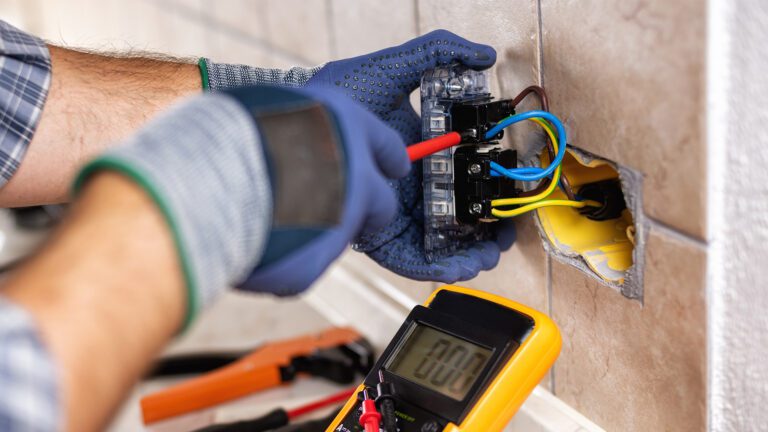
Another issue professionals frequently encounter is unsafe or incomplete DIY electrical work. While online resources can make repairs appear simple, electrical systems require precise load calculations, proper grounding, and strict adherence to safety codes. Small mistakes can create long-term hazards that remain hidden until they become serious risks.
Routine electrical inspections remain one of the most effective ways to protect a home. A professional assessment can identify outdated panels, hidden wiring damage, and overload risks before they escalate into costly or dangerous situations.
As homes continue to evolve with increasing technology and energy use, electrical systems must evolve as well. The future of home safety will rely heavily on prevention, regular maintenance, and awareness of how much demand modern living places on older infrastructure. For homeowners, understanding these risks today can help prevent emergencies tomorrow and create a safer environment for families.
Any content, resident submissions, guest columns, advertisements, and advertorials are not necessarily endorsed by or represent the views of Best Version Media LLC (BVM) or any municipality, homeowners associations, businesses, or organizations that this publication serves. BVM is not responsible for the reliability, suitability, or timeliness of any content submitted, inclusive of materials generated or composed through artificial intelligence (AI). All content submitted is done so at the sole discretion of the submitting party.