There is a certain reverence that comes with restoring a classic car. The lines, the sound, the history—all of it matters. But for many enthusiasts, there comes a moment when nostalgia meets practicality. That’s where the now-famous “LS swap” enters the conversation, quietly reshaping the way people think about classic car restoration.
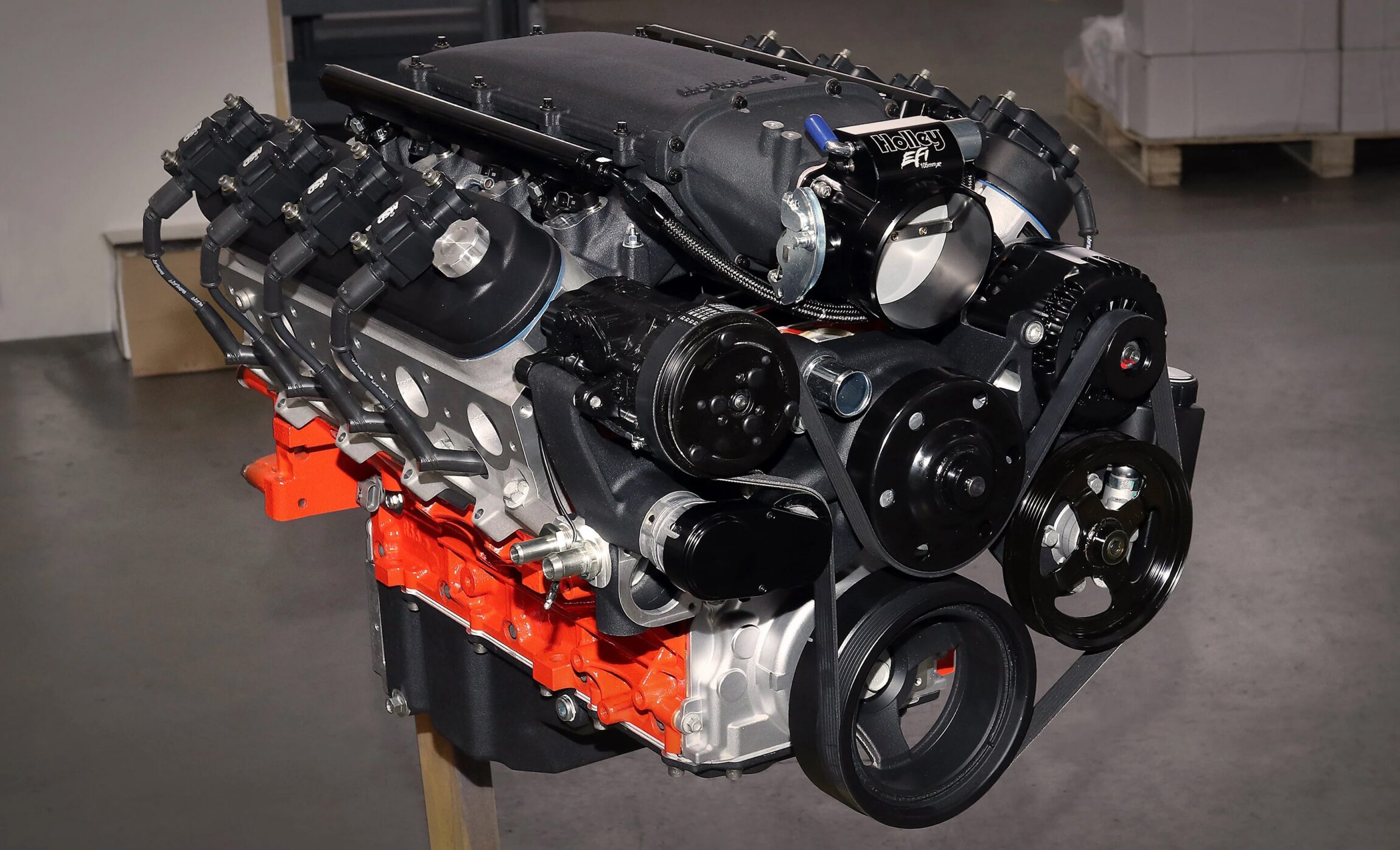
An LS swap refers to replacing a vehicle’s original engine with a modern GM LS-series V8, a family of engines first introduced in the late 1990s. While that might sound like sacrilege to purists, the reality is far more nuanced. For many builders, this isn’t about abandoning tradition—it’s about making a classic car usable, reliable, and enjoyable in today’s world.
The appeal starts with the engine itself. LS engines are known for their remarkable combination of power, durability, and efficiency. Out of the box, even a basic LS can produce horsepower numbers that rival or exceed many original classic V8s, all while delivering smoother performance and better fuel economy. More importantly, they are widely available and relatively affordable, thanks to their use across millions of trucks, SUVs, and performance cars over the past two decades.
Reliability is perhaps the biggest reason people choose an LS swap. Classic cars, while beautiful, were not built to modern standards of consistency. Carburetors can be finicky. Ignition systems require frequent tuning. Long road trips can feel like a gamble. An LS engine, with modern fuel injection and electronic controls, eliminates much of that uncertainty. Turn the key, and it starts. Every time. For many owners, that alone transforms a weekend-only car into something they can confidently drive across Texas and back.
There’s also the matter of drivability. An LS-powered classic tends to idle smoother, accelerate more predictably, and handle temperature extremes far better than its original counterpart. In a place like the Hill Country, where summer heat can push machinery to its limits, that kind of dependability is not just a luxury—it’s a game changer.
Of course, not every car is an ideal candidate for an LS swap. The best fits tend to be vehicles where originality has already been compromised or where performance upgrades are part of the vision. Classic pickups, for example, are among the most popular platforms. A vintage Chevrolet or Ford truck with an LS engine becomes something entirely new—a vehicle that maintains its rugged, timeless look while offering modern performance and reliability.
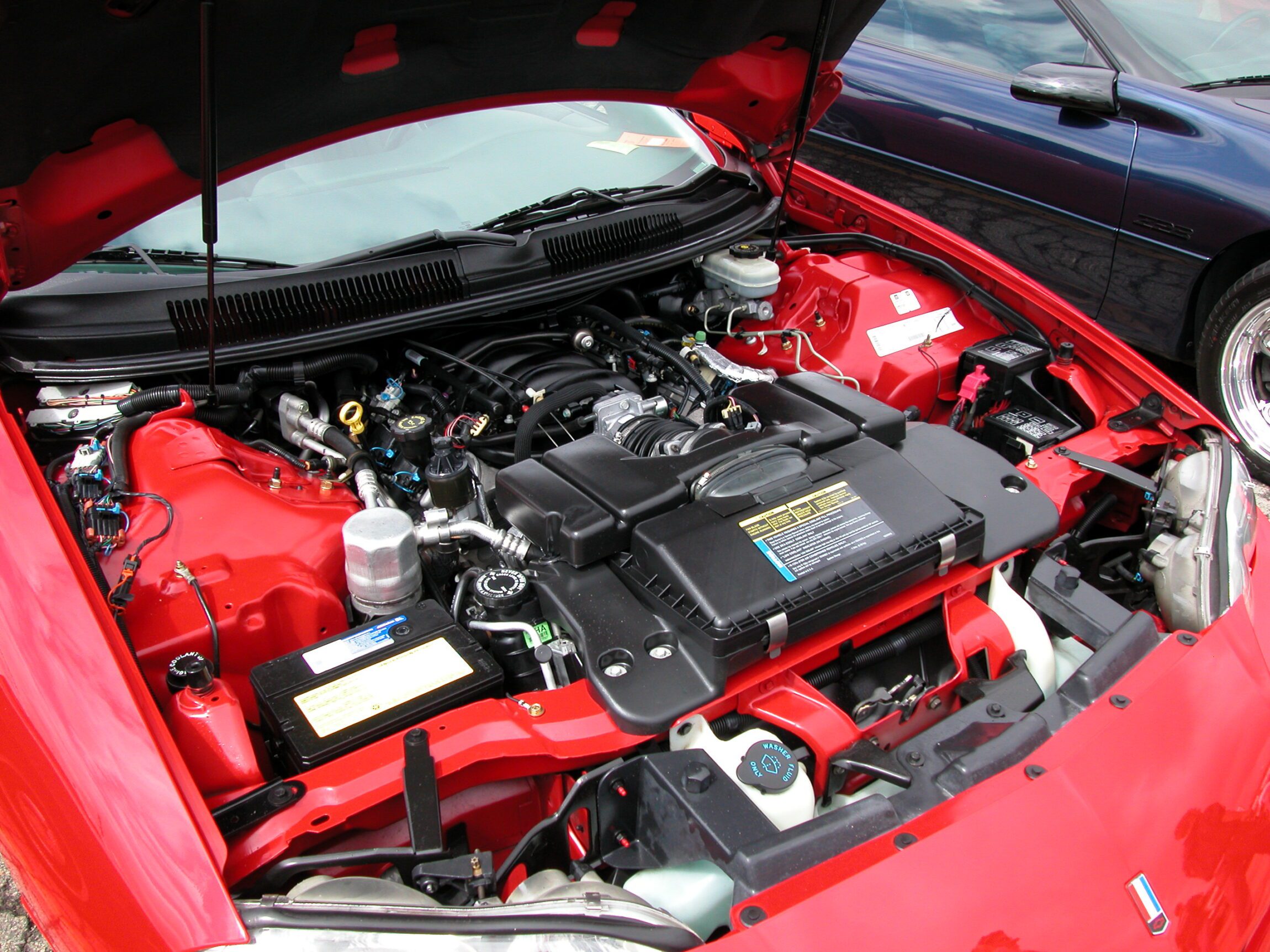
Muscle cars are another natural fit, particularly those that didn’t come with highly sought-after, numbers-matching engines. Swapping in an LS can elevate a mid-tier classic into a serious performer, often without the cost or complexity of rebuilding an original big-block. Even some European classics and restomod builds have embraced the LS platform, thanks to its compact size and adaptability.
That said, there is a line that many enthusiasts choose not to cross. Rare, historically significant cars—especially those with original drivetrains—are often best preserved as they are. In those cases, the value lies as much in authenticity as it does in performance. The decision to swap is ultimately a personal one, shaped by how the owner intends to use and enjoy the vehicle.
What makes the LS swap particularly interesting is how it reflects a broader shift in car culture. Today’s enthusiasts are not just collectors—they are drivers. They want cars that can keep up with modern traffic, handle long distances, and deliver a level of comfort and confidence that older technology simply wasn’t designed to provide.
In the end, an LS swap is less about replacing the past and more about extending it. It allows a classic car to remain relevant, to stay on the road, and to continue turning heads—not just at shows, but on highways and backroads alike. And in a community that values both heritage and craftsmanship, that balance feels exactly right.
Any content, resident submissions, guest columns, advertisements, and advertorials are not necessarily endorsed by or represent the views of Best Version Media LLC (BVM) or any municipality, homeowners associations, businesses, or organizations that this publication serves. BVM is not responsible for the reliability, suitability, or timeliness of any content submitted, inclusive of materials generated or composed through artificial intelligence (AI). All content submitted is done so at the sole discretion of the submitting party.