The multifamily housing industry has been locked in an amenities arms race for years. Property tours highlight high-end finishes, glistening rooftop pools, virtual golf simulators, and exclusive club houses. As the novelty of these luxury features wears off, renters realize exclusivity cannot cure a fundamental human ache: loneliness. Today, the tide is turning. Residents discover that the true heart of a home lies not in high-end finishes but in the people living next door. The shift from prioritizing personal, physical perks to craving human connection is backed by data. According to J Turner Research, a strong sense of community is a significant driver of perceived value, and that perceived value is directly tied to renewals.
Data consistently shows that today’s renters seek apartment communities that foster genuine social connection, not mere cohabitation. They do not just want a place to sleep. They want a place to belong. As more renters spend greater portions of their day at home, shared spaces take on a bigger role in shaping daily life. A well-designed community room, outdoor patio, walking path, pickleball court, or fire pit does more than fill a brochure. It creates opportunities for casual interaction, familiar faces, and routines that make a property feel welcoming instead of anonymous.
At its core, a sense of community provides a psychological anchor: safety. In a massive, anonymous complex, an unfamiliar face in the hallway can breed apprehension. However, when you know your neighbors, the entire atmosphere changes. It transforms buildings from transient transit hubs into a protective sanctuary. True safety does not come from a key fob or a security camera; it comes from knowing someone has your back.
Community amenities also make everyday living more practical and enjoyable. Shared gathering areas, green spaces, and flexible indoor-outdoor amenities give residents places to relax, recharge, work remotely, host friends, or simply get a breath of fresh air without leaving the property. These spaces help break up the monotony of apartment living and add convenience that renters feel in their daily routines. Instead of being occasional luxuries, they become part of how people live, connect, and unwind.
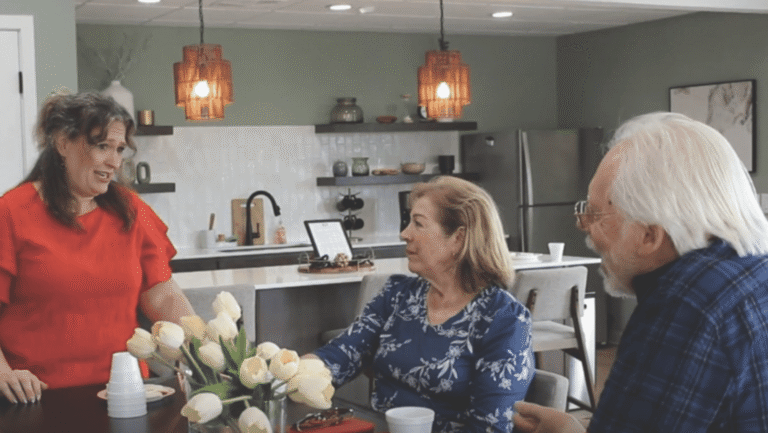
Luxury amenities are often designed for solitary consumption. A resident might run on a treadmill alone or sit in a media room by themselves. Community-focused properties view spaces differently, turning static square footage into shared spaces that invite interaction, such as SCS Eau Claire’s community room, pickleball courts, and community fire pits. SCS Eau Claire tenants gather for Bunco and run a book club in the community room. When communal spaces are intentionally designed to spark conversation, they bridge the gap between isolation and interaction.
The benefits extend beyond socializing. Community-centered amenities can directly support mental and emotional well-being. Green space, comfortable gathering areas, wellness-oriented features, and regular opportunities to interact with neighbors help reduce stress, improve mood, and create a stronger sense of belonging. In a time when loneliness is increasingly recognized as a public health challenge, properties that encourage connection are not just offering amenities. They are offering meaningful support for residents’ quality of life.
This is also why community amenities matter from a long-term value perspective. Research suggests residents who form connections within their community are more likely to renew, and strong resident retention benefits both renters and property operators. For renters, staying means continuity, familiarity, and a stronger sense of home. For properties, it means a more stable, engaged resident base. In other words, amenities that create connection do not just look good on a tour. They build loyalty over time.
The modern loneliness epidemic is a well-documented public health crisis, and apartment living can increase it. Being surrounded by hundreds of people while feeling completely isolated is a very draining experience. This is where true community acts as healthcare. Human beings are biologically wired for connection. Knowing your neighbors; names, sharing a quick laugh at an SCS Eau Claire BBQ, or having a neighbor check on you when you are sick drastically improves mental health. A community that fosters a deep sense of belonging reduces anxiety and combats depression, offering a return on investment that a resort-style pool simply cannot match.
Any content, resident submissions, guest columns, advertisements, and advertorials are not necessarily endorsed by or represent the views of Best Version Media LLC (BVM) or any municipality, homeowners associations, businesses, or organizations that this publication serves. BVM is not responsible for the reliability, suitability, or timeliness of any content submitted, inclusive of materials generated or composed through artificial intelligence (AI). All content submitted is done so at the sole discretion of the submitting party.