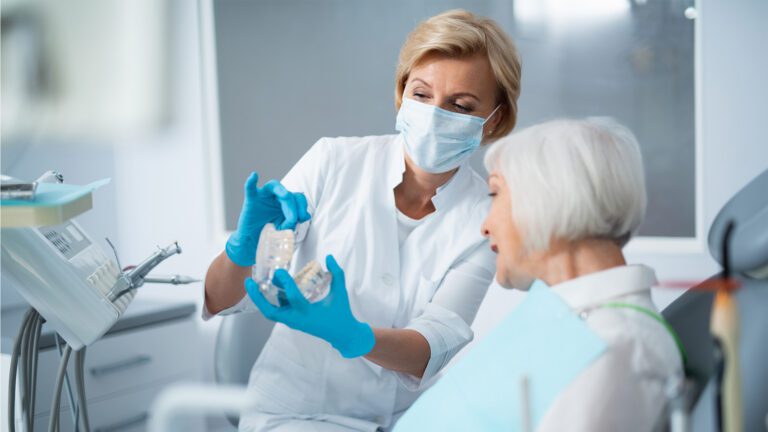
Most people think of dental visits as being about cavities, cleanings, and maybe the occasional crown. But one of the biggest shifts happening in healthcare today is the growing understanding that the mouth is deeply connected to the rest of the body — especially after the age of 40. In many ways, the mouth acts like an early warning system.
Dentists often see signs of inflammation, stress, sleep disorders, acid reflux, medication side effects, and even systemic disease before patients realize anything is wrong. And while many people assume losing teeth or having dental problems is simply part of getting older, much of it is actually connected to broader health patterns that become more common with age. One of the most overlooked examples is gum disease.
Gum disease is not just about bleeding gums. It is a chronic inflammatory condition that has been linked in numerous studies to heart disease, diabetes, stroke, and cognitive decline. Inflammation in the mouth doesn’t always stay in the mouth. Bacteria and inflammatory byproducts can enter the bloodstream and contribute to problems elsewhere in the body. The surprising part? Gum disease is often painless in its early stages.
Many adults assume that if nothing hurts, everything must be fine. But by the time symptoms become obvious — loose teeth, swelling, infections, or significant bone loss — the condition may have been developing quietly for years.
Another issue dentists are seeing more frequently in adults over 40 is tooth fracture from grinding and clenching.
Stress, poor sleep, and modern lifestyles have created an epidemic of cracked teeth. Many patients don’t even realize they grind at night until they begin noticing headaches, jaw soreness, worn teeth, or sudden fractures while eating something soft. Teeth are incredibly strong, but decades of pressure eventually take a toll.
Sleep is another area where dentistry and overall health intersect in ways many people don’t expect.
Dentists are often among the first healthcare providers to notice signs of sleep apnea — a condition where breathing repeatedly stops during sleep. Symptoms may include loud snoring, chronic fatigue, morning headaches, dry mouth, or excessive tooth wear. Untreated sleep apnea has been associated with high blood pressure, heart disease, memory problems, and increased risk of accidents due to fatigue.
As we get older, medications can also begin affecting oral health.
Many common medications for blood pressure, anxiety, allergies, and depression can reduce saliva production. Since saliva plays a critical role in protecting teeth from decay, chronic dry mouth dramatically increases the risk of cavities, especially around older dental work.
Even diet trends have had unintended effects on dental health. Sparkling waters, citrus drinks, sports drinks, and frequent snacking can slowly erode enamel over time. Patients are often surprised to learn that some “healthy” habits may still be damaging to teeth if consumed constantly throughout the day.
The good news is that modern dentistry is increasingly focused on prevention and early detection rather than simply “fixing teeth.”
With improved imaging, earlier diagnosis, and a better understanding of the relationship between oral and overall health, many serious problems can now be identified before they become painful, expensive, or difficult to treat.
A healthy smile is important, but oral health is about far more than appearance. It is connected to how we sleep, how we eat, how we age, and in many cases, how healthy we are overall.
After 40, the conversation about dental health changes. It becomes less about cavities and more about protecting long-term health, comfort, confidence, and quality of life.
The encouraging part is that small changes — paying attention to symptoms, keeping regular dental visits, improving sleep, reducing inflammation, and catching problems early — can make a meaningful difference over time.
Our mouths are not separate from the rest of us. They are part of the bigger picture of healthy aging. And as more people begin to understand that connection, dentistry is becoming less about reacting to problems and more about helping people stay healthier, longer.
Any content, resident submissions, guest columns, advertisements, and advertorials are not necessarily endorsed by or represent the views of Best Version Media LLC (BVM) or any municipality, homeowners associations, businesses, or organizations that this publication serves. BVM is not responsible for the reliability, suitability, or timeliness of any content submitted, inclusive of materials generated or composed through artificial intelligence (AI). All content submitted is done so at the sole discretion of the submitting party.