The ongoing conflict with Iran is having a major impact on global commodity markets, and the recycling industry is feeling the pressure. Rising oil prices, shipping disruptions in the Strait of Hormuz, and uncertainty across industrial supply chains are driving volatility in recycled aluminum, copper, OCC (old corrugated containers), and steel prices. Recyclers, manufacturers, and exporters are all seeing the effects as transportation costs rise and raw material availability tightens.
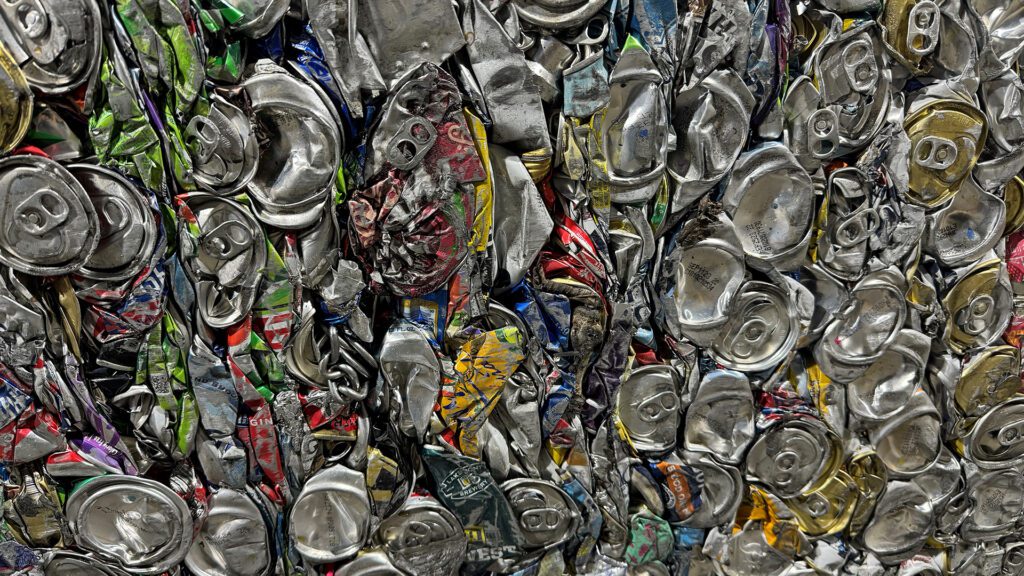
Aluminum has been one of the hardest-hit recycled commodities. The Persian Gulf supplies a significant portion of the world’s primary aluminum, and damage to smelters and shipping interruptions have reduced global supply. As a result, aluminum scrap prices have surged because manufacturers are turning to recycled feedstock to offset shortages in virgin metal. Industry reports indicate aluminum prices have risen sharply since the conflict escalated, with recycled aluminum becoming increasingly valuable for automotive and aerospace industries. Most Aluminum used in packaging (cans) is from recycled stock and prices have been stable in this submarket.
Copper markets are also under pressure. Higher oil and energy prices are increasing mining and refining costs worldwide, while sulfuric acid shortages tied to disrupted Gulf exports are limiting copper extraction and processing. Recycled copper has therefore become more attractive because mills can melt scrap copper faster and more cheaply than producing refined copper from ore. Many recyclers are seeing stronger demand and tighter supply, especially for clean copper grades such as #1 copper and bare bright wire.
Steel scrap prices are flat due to counter effects of rising manufacturing costs and global uncertainty. Energy is a major component of steel production, and as fuel costs climb, electric arc furnace mills increasingly rely on scrap steel to control expenses. At the same time, geopolitical tensions and tariffs are reducing imports of finished steel products, pushing domestic mills to compete more aggressively for recycled scrap. These two opposed forces have been holding prices stable for shredded steel, HMS, and other ferrous grades across North America.
OCC, or old corrugated cardboard, is being affected differently but still significantly. The war has increased freight and fuel costs for global shipping, making transportation more expensive for paper recyclers and packaging manufacturers. Demand for cardboard packaging remains relatively strong because of e-commerce and supply chain stockpiling, but export markets have become less predictable due to rising shipping insurance and container costs. While OCC prices are not climbing like some metals, many recycling facilities are experiencing tighter margins because transportation expenses are cutting into profits.
Overall, the Iran conflict is increasing volatility throughout the recycling industry. Higher energy costs, disrupted shipping routes, and reduced availability of raw materials are pushing buyers toward recycled commodities, especially aluminum, copper, and steel scrap. If the conflict continues, recycled material prices are likely to remain elevated throughout 2026.
To answer Edwin Starr’s question, “War, What is it good for?” Recycling copper and aluminum. Recycling Pays – Environmentally, Socially and Financially
Any content, resident submissions, guest columns, advertisements, and advertorials are not necessarily endorsed by or represent the views of Best Version Media LLC (BVM) or any municipality, homeowners associations, businesses, or organizations that this publication serves. BVM is not responsible for the reliability, suitability, or timeliness of any content submitted, inclusive of materials generated or composed through artificial intelligence (AI). All content submitted is done so at the sole discretion of the submitting party.