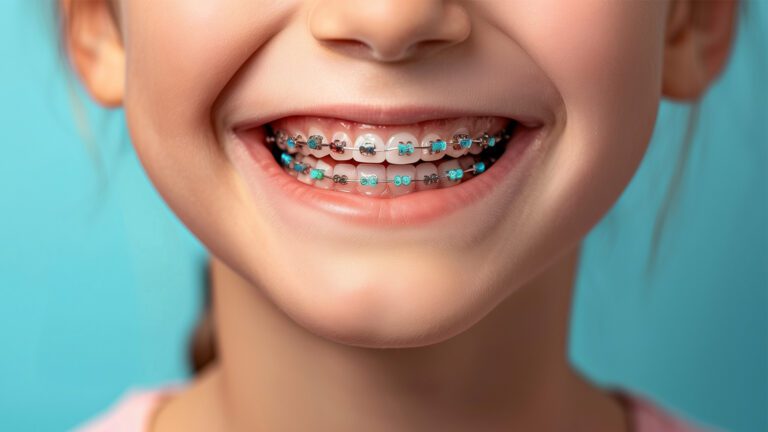
When people think about orthodontic treatment, they often focus on the appearance of their smile. While straight teeth are certainly one of the most noticeable benefits of braces and Invisalign, orthodontics is about much more than aesthetics. One of the most important things we evaluate during a consultation is a patient’s bite, or how the upper and lower teeth fit together.
Many patients are surprised to learn that even teeth that appear relatively straight can have bite issues that affect overall oral health and function. Understanding why your bite matters can help you make informed decisions about your smile and long-term dental health.
What Is a Healthy Bite?
A healthy bite occurs when the upper and lower teeth come together in proper alignment. This allows the teeth to function efficiently when chewing, speaking, and performing everyday activities.
When teeth do not fit together properly, it can place unnecessary stress on certain teeth and areas of the mouth. Over time, this imbalance may contribute to issues that affect both comfort and oral health.
Orthodontists evaluate much more than whether teeth are straight. We carefully assess how the teeth and jaws work together to ensure the smile is both attractive and functional.
How Can Bite Alignment Affect Your Oral Health?
The way your teeth fit together can have a significant impact on your overall oral health. When teeth are properly aligned, they tend to wear more evenly and function more efficiently. Certain bite concerns may contribute to excessive wear on teeth, difficulty chewing certain foods, or challenges in keeping teeth clean. Crowded or misaligned teeth can also create areas where plaque and bacteria are more likely to accumulate, increasing the risk of cavities and gum problems.
By improving bite alignment, orthodontic treatment can help create a healthier foundation for long-term oral health.
Can Bite Problems Sometimes Go Unnoticed?
Many patients have lived with their bite for so long that they assume it is normal. In fact, some bite concerns develop gradually and may not cause obvious symptoms right away. Parents may notice their child’s teeth seem crowded, protrude, or do not come together evenly. Adults may notice increased wear on their teeth or changes in the way they bite and chew.
The good news is that many bite concerns can be identified through a comprehensive orthodontic evaluation. Early detection often provides more treatment options and can help prevent future complications.
Can Bite Problems Get Worse Over Time?
While not every bite concern becomes more severe, some issues can become more noticeable as children grow and adults age. When certain teeth absorb more pressure than others, uneven wear can occur over time.
Addressing bite concerns early can improve function, support long-term stability, and promote overall oral health. Early identification often provides more treatment options and helps create the best possible outcome for each patient.
How Can Orthodontic Treatment Help?
Whether through braces or Invisalign, orthodontic treatment is designed to improve both the appearance and function of your smile. Every patient is unique, which is why treatment plans are customized based on individual needs, goals, and oral health concerns. Our goal is not simply to straighten teeth, but to create a smile that functions as beautifully as it looks.
If you have questions about your bite, your child’s developing smile, or whether orthodontic treatment may be beneficial, our team at Jackson Orthodontics would be happy to help. Schedule a complimentary consultation and learn how a healthy bite can support a lifetime of confident smiles.
-Dr. Alfred Jackson
Any content, resident submissions, guest columns, advertisements, and advertorials are not necessarily endorsed by or represent the views of Best Version Media LLC (BVM) or any municipality, homeowners associations, businesses, or organizations that this publication serves. BVM is not responsible for the reliability, suitability, or timeliness of any content submitted, inclusive of materials generated or composed through artificial intelligence (AI). All content submitted is done so at the sole discretion of the submitting party.