When most people think about fitness, they focus on weight, blood pressure, or how far they can walk without getting tired. However, one of the strongest indicators of long-term health may be something much simpler: grip strength. The ability to firmly hold and carry objects is increasingly being recognized by researchers as a valuable measure of overall physical function, especially in adults over the age of 50. Grip strength is more than just a sign of strong hands. It reflects the health of muscles, nerves, and even the cardiovascular system. As people age, maintaining grip strength can play a major role in preserving independence and quality of life.
Studies have found that individuals with stronger grip strength often experience lower rates of disability, fewer falls, and better overall mobility. This connection exists because grip strength tends to mirror total-body strength. When muscles throughout the body weaken, hand strength often declines as well. Daily activities rely heavily on grip strength. Carrying groceries, opening jars, lifting grandchildren, using tools, and maintaining balance during a stumble all depend on the ability to generate force with the hands and forearms. A decline in this area can make ordinary tasks more difficult and increase the risk of injury.
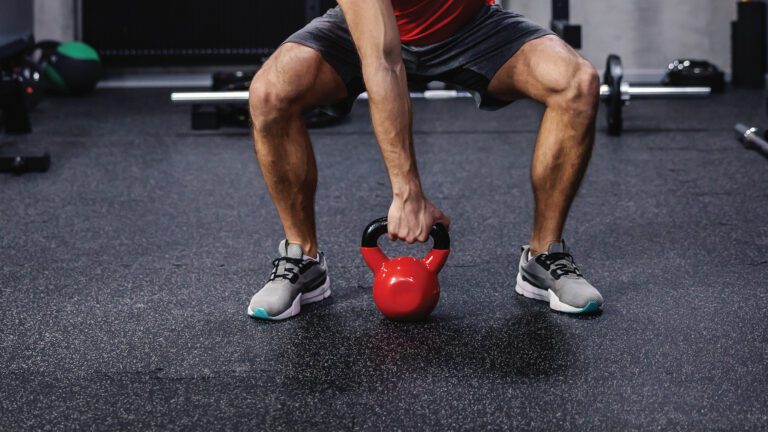
Fortunately, improving grip strength does not require expensive equipment. Simple exercises such as farmer’s carries, where a person walks while holding weights at their sides, can be highly effective. Dead hangs from a pull-up bar, squeezing hand grippers, and even carrying heavy shopping bags can help strengthen the muscles involved. Another often-overlooked benefit is bone health. Resistance exercises that challenge the hands and forearms place stress on bones, encouraging them to remain strong. This becomes increasingly important with age, as bone density naturally decreases and the risk of fractures rises.
While fitness trends often focus on complex workout routines and high-tech tracking devices, grip strength remains one of the most practical measures of functional fitness. It influences daily independence, supports overall strength, and may even provide insight into future health outcomes. For adults over 50, paying attention to grip strength is a simple yet powerful way to stay active and capable. Sometimes, one of the best indicators of healthy aging is as straightforward as the strength of a handshake.
Any content, resident submissions, guest columns, advertisements, and advertorials are not necessarily endorsed by or represent the views of Best Version Media LLC (BVM) or any municipality, homeowners associations, businesses, or organizations that this publication serves. BVM is not responsible for the reliability, suitability, or timeliness of any content submitted, inclusive of materials generated or composed through artificial intelligence (AI). All content submitted is done so at the sole discretion of the submitting party.