Most of the people who walk through my door have a similar story.
They’ve already tried physical therapy, chiropractic care, massage, medications, injections, stretching programs, strength training, imaging, and specialist appointments. Some found temporary relief. Others felt little change at all.
Many were told everything looked normal while still living with very real pain, tension, fatigue, or limited mobility.
By the time they call me, they’re often frustrated, exhausted, and cautiously skeptical.
And honestly, I understand why.
When someone has been dealing with pain or dysfunction for months or years, trying something new can feel emotionally difficult. A common thought process sounds something like this:
“What if this doesn’t work either?”
“I’ve already spent so much time and money.”
“Maybe I just have to live with this.”
That hesitation is understandable. Repeated disappointment can cause people to lose trust not only in treatment options, but sometimes in the possibility of improvement itself.
But sometimes the issue isn’t that nothing works.
Sometimes the issue is that the right tissue has never been addressed.
The Missing Piece: Fascia
Most people have never heard of fascia, yet it may be one of the most important systems in the body.
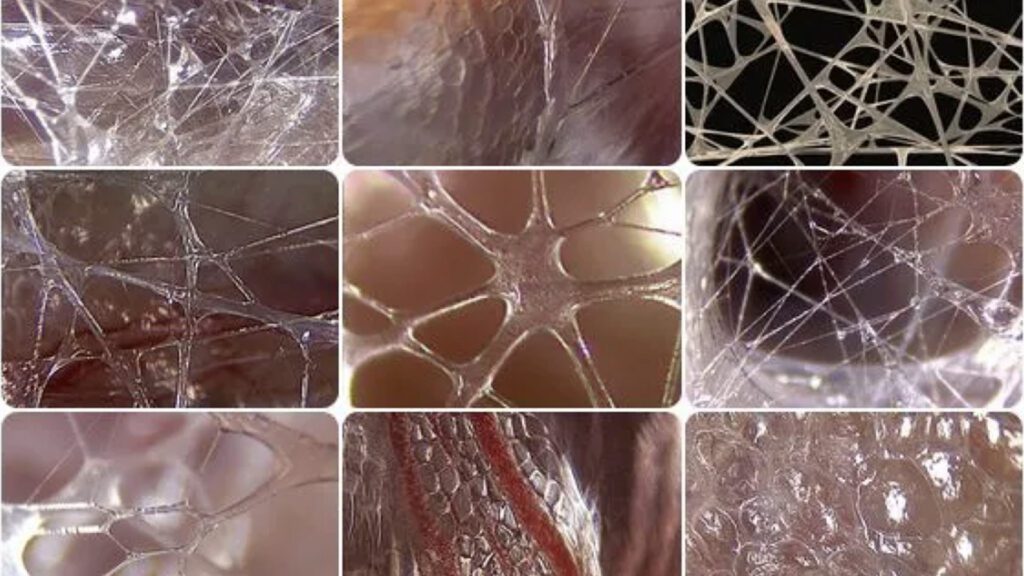
Fascia is a three-dimensional connective tissue network that surrounds and supports every muscle, bone, nerve, blood vessel, and organ. Think of it as your body’s internal web or support system.
Healthy fascia is flexible and adaptable. However, injuries, surgeries, repetitive stress, inflammation, and even emotional stress can create restrictions within this tissue. Over time, these restrictions can place pressure on sensitive structures throughout the body and contribute to symptoms such as:
- Chronic pain
- Headaches
- Neck and back tension
- Sciatica
- Jaw discomfort
- Limited mobility
- Fatigue
- Whole-body stiffness
Many traditional treatments focus primarily on muscles and joints. While those approaches can be helpful, they don’t always address deeper fascial restrictions that may be contributing to the problem.
What Makes Myofascial Release Different?
The John F. Barnes Myofascial Release Approach® is a specialized hands-on therapy that focuses on identifying and releasing fascial restrictions.
Unlike massage or aggressive manipulation, Myofascial Release uses sustained, gentle pressure applied for several minutes at a time. This allows the tissue to soften, release, and reorganize naturally.
As restrictions release, clients often experience:
- Reduced pain and tension
- Improved mobility
- Better circulation
- Less nervous system stress
- Greater overall ease of movement
Every person’s experience is unique because every body carries its own history.
What Happens During a Session?
One of the most common questions I hear is, “What actually happens during a Myofascial Release session?”
Every session begins with a conversation about your symptoms, history, injuries, surgeries, and goals.
From there, I use gentle hands-on techniques to assess the body’s fascial patterns and identify areas of restriction.
There is no forcing or rushing.
Instead, I engage the tissue patiently and allow it the time it needs to respond. Often the tissue begins to soften gradually, creating changes not only in the area being treated but throughout connected regions of the body.
Because fascia connects everything, a restriction in one area may be contributing to symptoms somewhere completely different. A headache may be related to an old injury. Neck tension may connect to restrictions elsewhere in the body. The body is remarkably interconnected.
During treatment, some clients notice warmth, movement, deep relaxation, or a sense of release. Others simply notice they can move more freely afterward.
Why This Matters
Here in Bremer County and throughout northeast Iowa, many people are used to pushing through discomfort.
Farmers. Teachers. Healthcare workers. Factory employees. Parents. Retirees.
Many have learned to accept stiffness, headaches, tension, or chronic pain as simply part of getting older.
It doesn’t have to be.
The body is designed to move with freedom and function efficiently. Sometimes it simply needs the right environment and the right intervention.
If You’ve Tried Everything Else
If you’re reading this and thinking, “I’ve already tried so many things,” that’s okay.
You don’t need certainty.
You only need curiosity.
Many clients tell me after their first session, “No one has ever worked with my body like that before.”
Sometimes the missing piece isn’t another treatment.
Sometimes it’s a completely different approach.
If you’re living with chronic pain, unresolved tension, limited mobility, or symptoms that haven’t improved despite trying other therapies, Myofascial Release may be worth exploring.
Healing begins with one step.
To learn more or schedule an appointment, contact Wolffpack Wellness Myofascial Release or visit WolffpackWellness.com.
Any content, resident submissions, guest columns, advertisements, and advertorials are not necessarily endorsed by or represent the views of Best Version Media LLC (BVM) or any municipality, homeowners associations, businesses, or organizations that this publication serves. BVM is not responsible for the reliability, suitability, or timeliness of any content submitted, inclusive of materials generated or composed through artificial intelligence (AI). All content submitted is done so at the sole discretion of the submitting party.