Every July, we hear the same question from homeowners across Central Texas: “My AC seems fine… so why does it feel like it’s running nonstop?” As someone who works in the field every day, I can tell you there’s a lot happening behind the scenes that most people never see.
The first thing to understand is that July heat in our region isn’t just hot. It’s sustained, high-intensity heat that pushes your cooling system into its hardest weeks of the year. Even a perfectly maintained system will meet its limits when the outdoor temperature stays in the triple digits day after day. When that happens, your AC has to work significantly harder to remove the same amount of heat from your home, and longer run times are simply the system responding to the environment.
Another factor most homeowners never think about is the attic. In July, attic temperatures in Central Texas can soar between 130 and 150 degrees. For larger homes with expansive rooflines, multi-story layouts, or equipment tucked into remote attic spaces, that temperature rise can be even more extreme. If your ductwork or air handler lives up there, it’s operating in an environment far hotter than your living space, which increases the workload on components and reduces the efficiency of cooled air traveling through the ducts.
Humidity also plays a bigger role than many realize. When the air is heavy with moisture, your system has to remove both heat and water vapor before you feel comfortable. That dehumidification step becomes especially noticeable in homes with generous square footage or high ceilings, where air volume increases the load your system must handle.
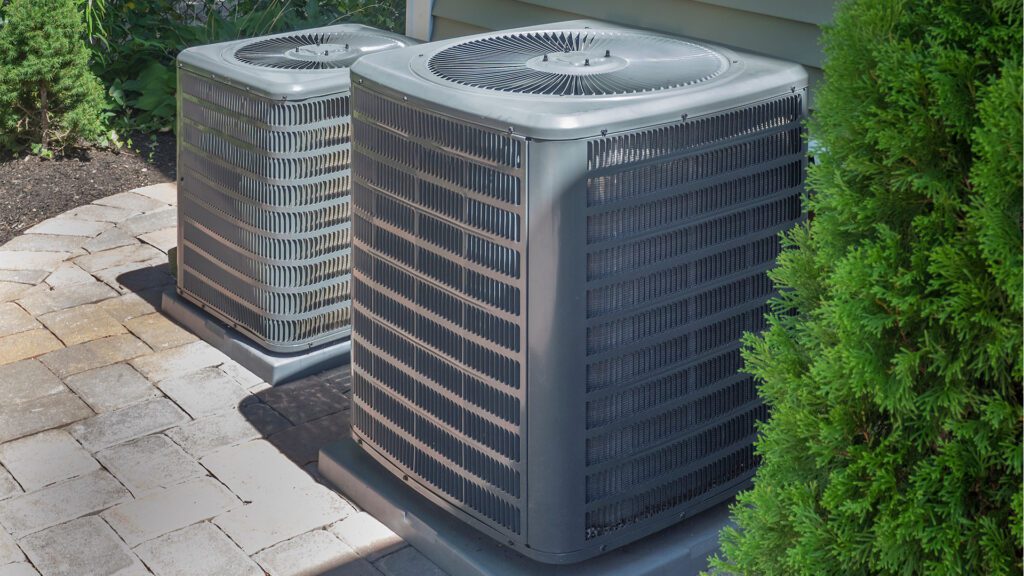
Finally, even small airflow restrictions such as a slightly dirty filter, debris around the outdoor condenser, or dust accumulation on coils have a much bigger impact in July. These issues rarely cause immediate failure, which is why everything seems fine. However, they force the system to run harder and longer to keep up with the heat load. When the system is already pushed to its seasonal peak, even minor inefficiencies become much more noticeable.
Understanding how summer conditions affect your AC helps you make well-informed decisions about maintaining your home’s comfort. July will always be a demanding month for cooling in Central Texas, but knowing what is happening behind the scenes makes it easier to recognize what is normal for our climate and to feel confident your system is doing exactly what it was built to do.
Any content, resident submissions, guest columns, advertisements, and advertorials are not necessarily endorsed by or represent the views of Best Version Media LLC (BVM) or any municipality, homeowners associations, businesses, or organizations that this publication serves. BVM is not responsible for the reliability, suitability, or timeliness of any content submitted, inclusive of materials generated or composed through artificial intelligence (AI). All content submitted is done so at the sole discretion of the submitting party.