What are we actually talking about when we throw around words like “fitness,” “exercise,” or “working out?” Where a lot of people miss the mark is considering exercise something that only needs to be done when chasing an aesthetic, training for a sport, or simply keeping a child busy during the summer. It’s when we understand the importance of regular movement, and recognize how closely fitness and health are connected, that we set ourselves up for a lifetime of success that starts at a young age and carries us through life.
In the past few years, we have seen a troubling trend. Younger children are showing up with illnesses and chronic diseases we once only associated with the elderly. On the other end of the spectrum, younger adults in their 40s and 50s are slowing down considerably, losing the ability to walk a mile without stopping, and relying on multiple prescription medications that are not truly healing their problems. How did we get here? How are these scenarios connected? Most importantly, how can we fix it?
Misinformation drives fears that often keep us from doing the very things that are most beneficial to our health and longevity. For decades, a mix of outdated medical caution, misinterpreted research, and fear-based messaging conditioned parents and educators to believe that physical activity—especially strength training and more intense sports—posed a high risk of injury to children, particularly to growth plates. Modern science has clarified that appropriately supervised training is not only safe but beneficial for developing bones, metabolism, and overall health. Unfortunately, the earlier narrative created a lasting culture of avoidance.
Combined with the rise of ultra-processed diets and sedentary lifestyles driven by screens, this has contributed to a generation of children who are increasingly inactive, overweight, and metabolically unwell. The unintended consequence of trying to “protect” kids from injury has been limiting their exposure to the very activities that build resilience, strength, confidence, and long-term health.
Those same fears often continue into adulthood. For years, outdated warnings about injury risk and so-called “fragility,” especially in women, have shaped how many middle-aged adults approach exercise. Instead of embracing strength training—one of the most effective ways to build bone density, preserve muscle, and improve metabolic health—many are steered toward overly cautious alternatives. While movement of any kind has value, avoiding progressive resistance training often stems from fear rather than evidence-based practice. The result is a growing population, particularly women, who are under-muscled, at higher risk for osteoporosis, and missing out on the protective benefits strength training provides.
It’s not just misinformation driving the steady decline in health—it’s the environment people now live in. Sedentary behavior has become the default, fueled by constant screen exposure, social media habits, and workdays that require little physical movement. At the same time, reduced funding and emphasis on physical education have limited early exposure to structured activity, leaving many people without a foundation in strength, coordination, or confidence in movement.
The COVID lockdown years accelerated this shift even further, normalizing isolation, reducing daily activity, and reinforcing low-energy routines that have persisted long after restrictions ended. Together, these factors have created a culture where inactivity feels normal, and rebuilding strength and metabolic health requires far more intentional effort than it once did.
So what can we do about it?
The solution starts with recognizing that habits around movement are built early and tend to carry forward for life. When children are consistently exposed to a variety of physical activities—whether through sports, play, or structured exercise—they develop not only strength and coordination but also a lasting appreciation for movement. That foundation often shapes who they become decades later.
The young athlete who learns to enjoy being active is far more likely to become the person in their 60s who still prioritizes exercise, maintains strength, and moves with confidence. Building that base isn’t about perfection or specialization—it’s about consistency and exposure.
The key isn’t forcing one path. It’s exposing children to many different forms of movement and helping them discover what they genuinely enjoy so activity becomes something they choose to continue throughout life. Team sports, swimming, martial arts, strength training, hiking, biking, dance, playground games, summer camps, and community recreation programs all provide opportunities to develop strength, coordination, confidence, and a positive relationship with movement.
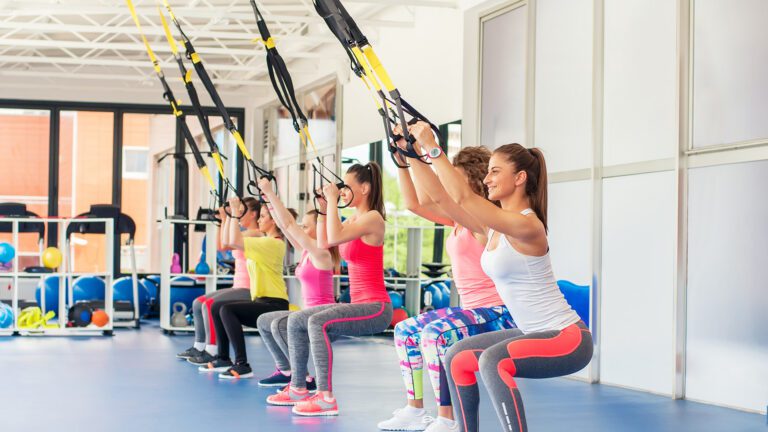
For adults and seniors who may not have grown up enjoying sports or regular activity, it’s not too late. There are many ways to build coordination, balance, muscle, and strong bones that support healthy aging. Strength training, functional fitness, walking, hiking, cycling, yoga, Pilates, swimming, pickleball, group fitness classes, mobility work, and stretching can all play an important role.
The goal isn’t perfection—it’s consistency. Building strength, improving balance, and staying active directly impact your independence, resilience, and overall quality of life as you age.
Early development of movement, strength, balance, coordination, and a genuine enjoyment of physical activity has a direct impact on how we age. These qualities are connected across the entire lifespan. The habits and confidence built in youth often carry forward, shaping resilience, mobility, and overall health later in life.
That said, starting later is not a limitation. The body is remarkably adaptable at any age. Even if you didn’t grow up active, adopting a consistent exercise routine can still transform your health trajectory. I didn’t begin my fitness journey until I was 35, and now at 49, I’m in the best shape of my life—stronger than ever, with bloodwork and overall health that reflect years of progress after struggling with obesity and poor health.
It’s never too late to build strength, improve function, and create a healthier future. Make the decision to start today.
Any content, resident submissions, guest columns, advertisements, and advertorials are not necessarily endorsed by or represent the views of Best Version Media LLC (BVM) or any municipality, homeowners associations, businesses, or organizations that this publication serves. BVM is not responsible for the reliability, suitability, or timeliness of any content submitted, inclusive of materials generated or composed through artificial intelligence (AI). All content submitted is done so at the sole discretion of the submitting party.