Did you know a ‘mood boost’ can come from design changes? We have 6 key changes in your home that can actually improve your well-being.
The way your spaces are designed can quietly influence everything from your stress levels and sleep quality to how you start your mornings and unwind at night. From the blinds at your windows or how you organize your mud room, even the smallest design choices can support (or sabotage) how you feel each day.
We’re sharing a few simple, thoughtful ways design can help you create a calmer, healthier, more energized life—take a look below and see which ones might be the missing piece for extra ‘peace’ in your home.
Submitted photo
1. “Soft Start” Spaces
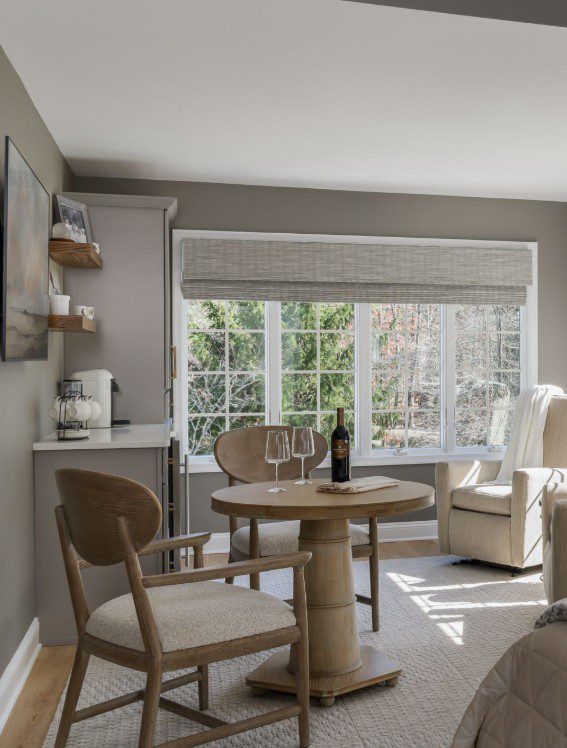
Want a way to spoil yourself the moment you wake and allow the day to start slowly? Having a coffee bar in your bedroom suite can be life-changing (it can even be in a closet — like mine is). It supports cortisol regulation by reducing immediate stress triggers.
The first minutes of your day are crucial.
Submitted photo
2. Mental Boundaries
If you work from home, or know someone who does – this information is key!
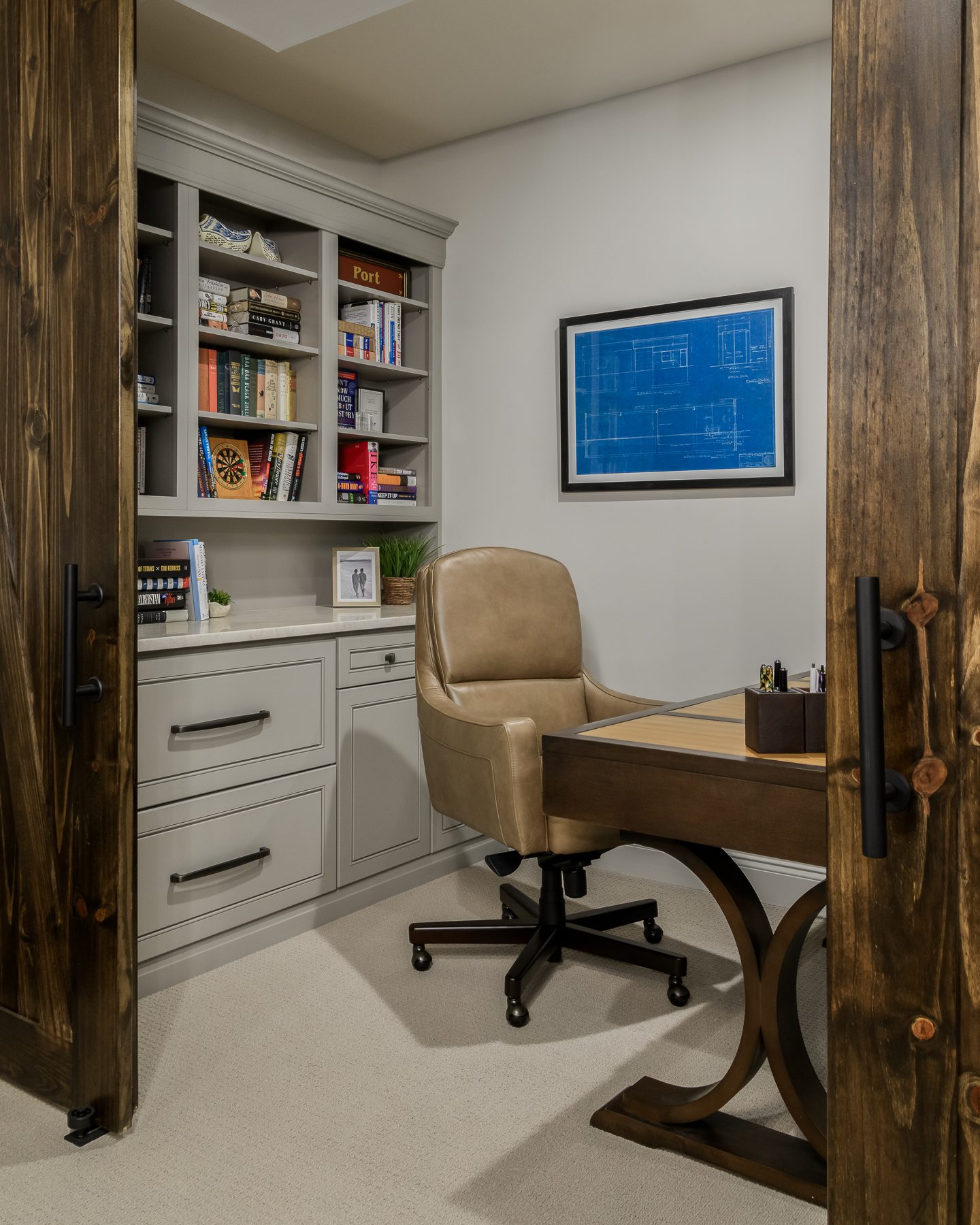
Physically separating your home office from living areas reduces burnout. Even small shifts (pocket doors, alcoves, converted closets) help “turn work off”.
Submitted photo
3. Smart Storage Design
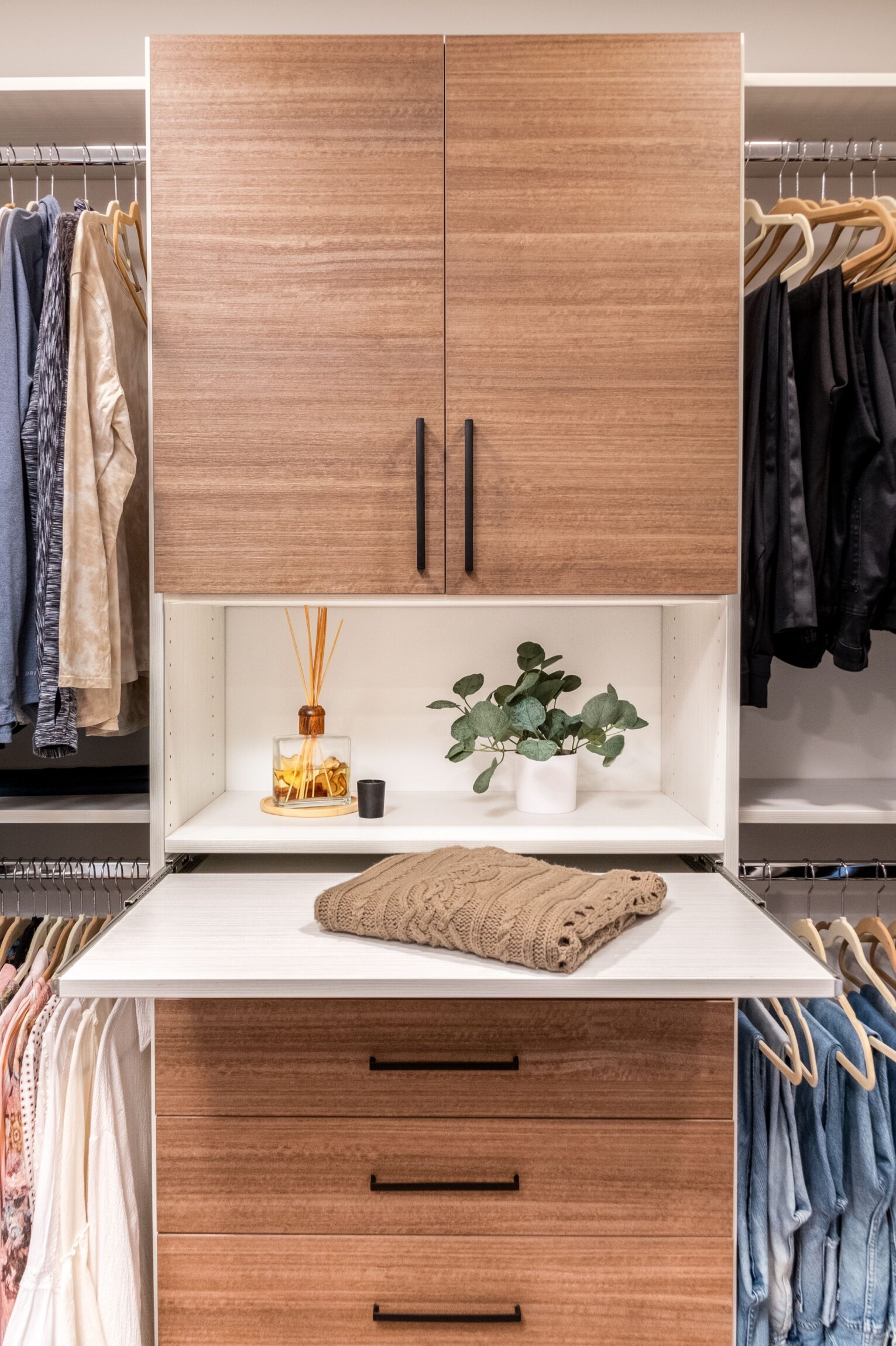
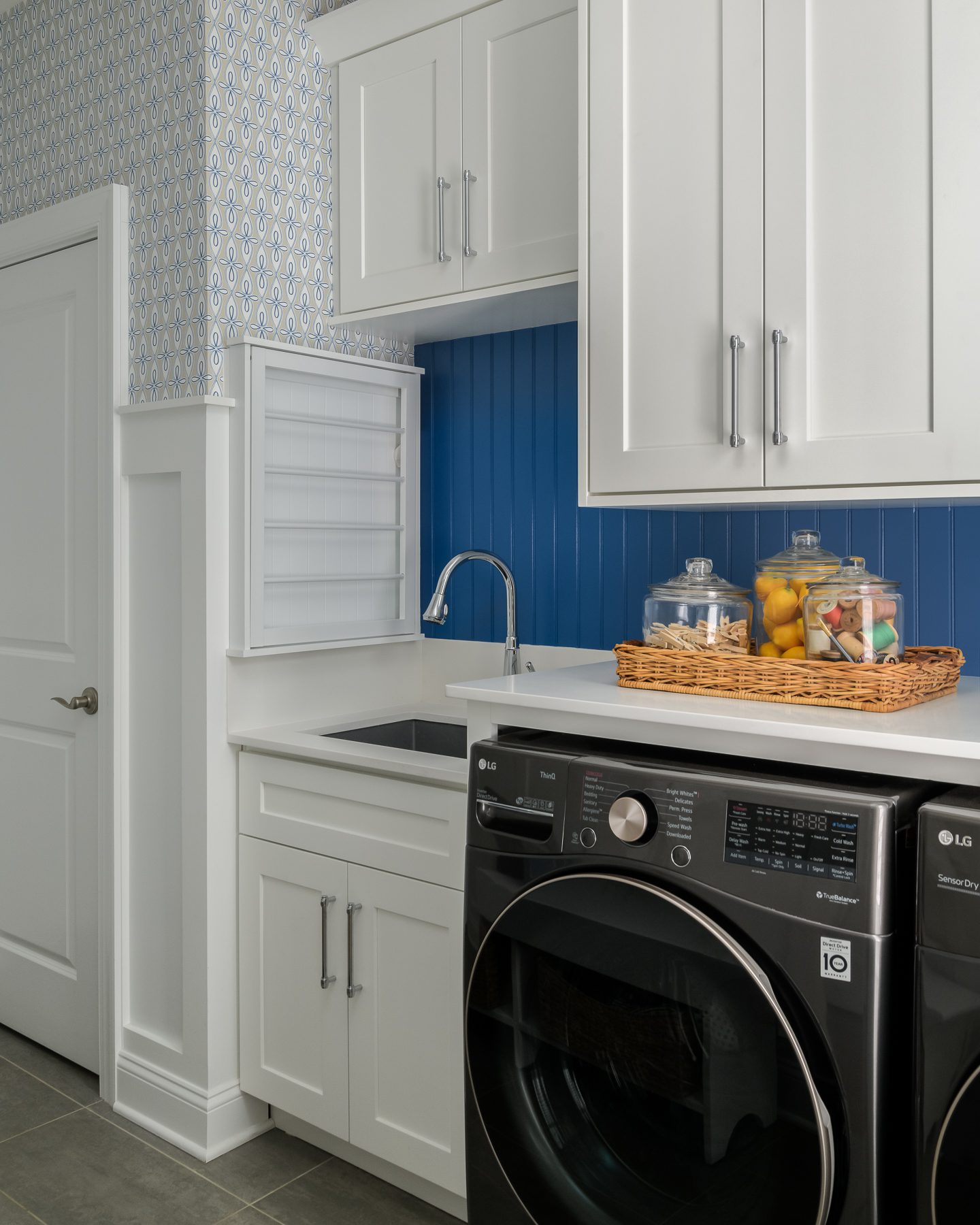
Visual clutter increases stress, which makes your cortisol levels increase. Built-ins, hidden storage, and smart layouts help reduce stress and fatigue. When done well, an organized mudroom, highly functional laundry room, or well-designed closet eliminates micro stressors.
We all could use a little more peace in our lives!
Submitted photo
4. Lighting Rhythm Reset
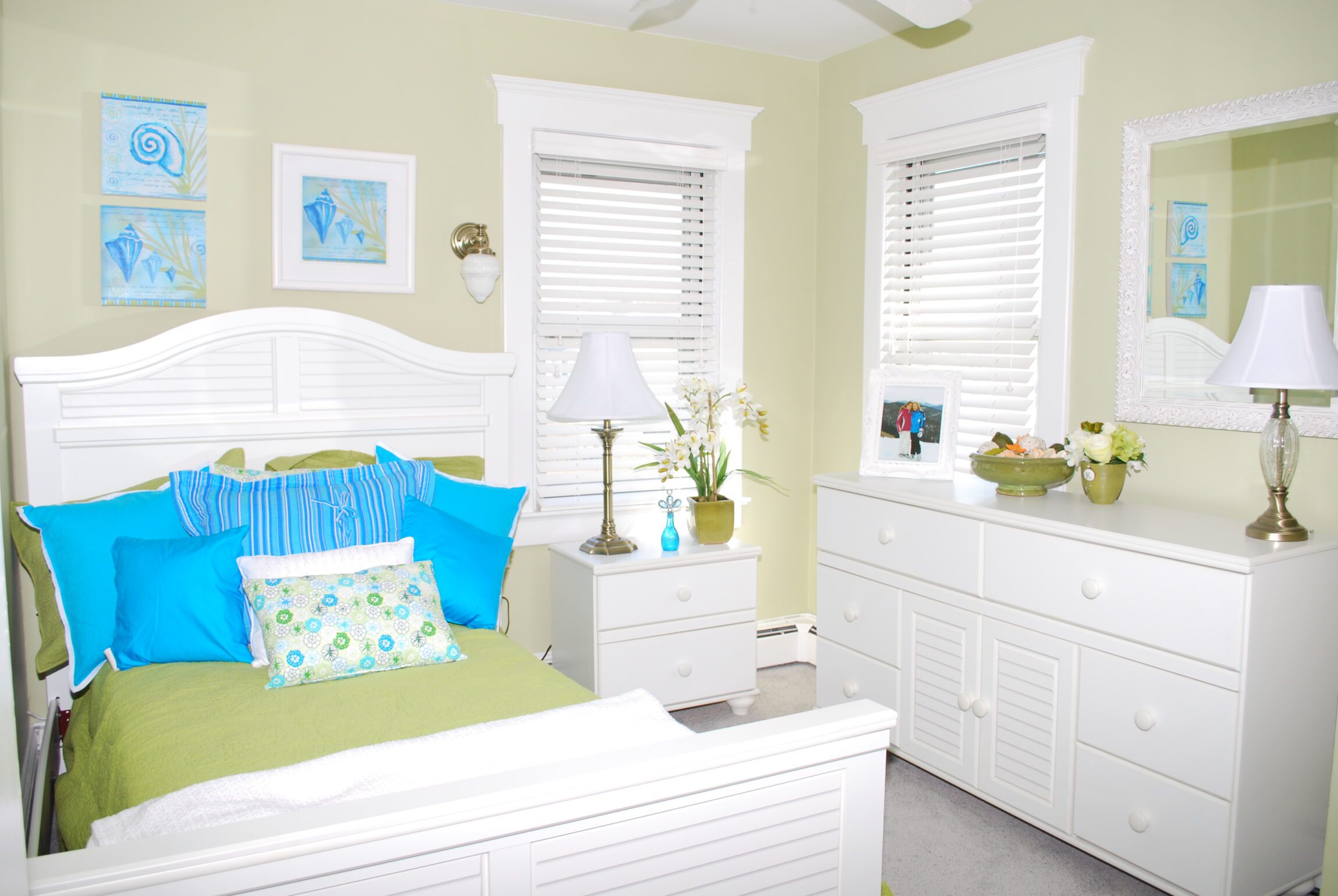
Exposure to daylight improves sleep quality and mood. A few great strategies: strategic window placement relative to furniture, and use of motorized shades tied to your sleep schedule. Controlling daylight exposure is a powerful wellness tool!
Submitted photo
5. Emotional Anchors
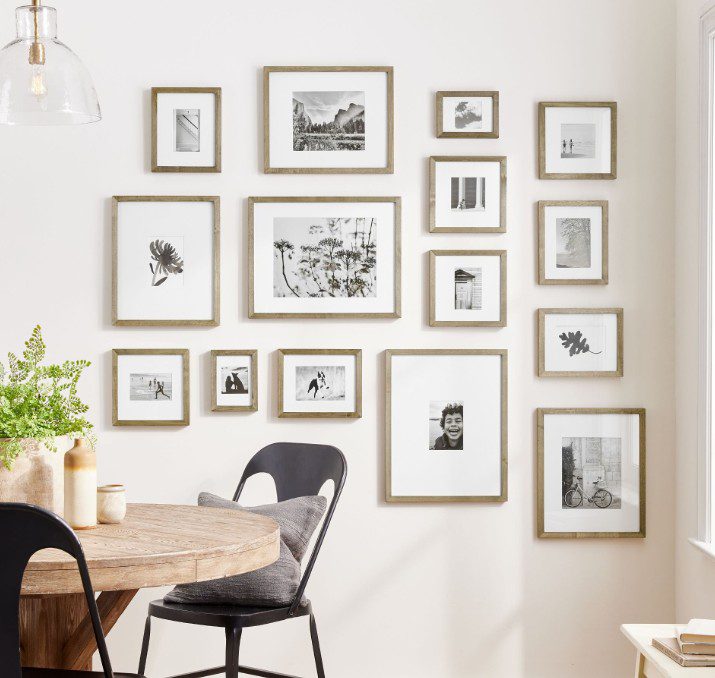
I love creating heartfelt collages for clients — family pictures, sports memorabilia, awards are just a few. Who knew that those walks down memory lane actually were good for your heart and help reduce blood pressure!
Submitted photo
6. Color Trigger
Even the paint you choose or fabric colors you use can influence how your body feels. Blues and greens slow the heart and reduce stress. Warm and red tones stimulate energy and appetite. Stark white spaces or high-contrast palettes can create anxiety over time.
Design isn’t just visual — it’s neurological.
Some of these great ideas you absolutely could do on your own, but we’re here to help should you need a designer eye or renovation expert in the mix!
Any content, resident submissions, guest columns, advertisements, and advertorials are not necessarily endorsed by or represent the views of Best Version Media LLC (BVM) or any municipality, homeowners associations, businesses, or organizations that this publication serves. BVM is not responsible for the reliability, suitability, or timeliness of any content submitted, inclusive of materials generated or composed through artificial intelligence (AI). All content submitted is done so at the sole discretion of the submitting party.