The best landscapes aren’t always the newest or the most elaborate. They’re the ones that continue to look beautiful, function well and bring joy year after year. With changing weather patterns, rising maintenance costs and increasingly busy lives, homeowners need outdoor spaces designed not just for today, but for decades to come.
Unlike many home improvements, a landscape is a living investment. Plants grow, mature and change with the seasons, making thoughtful planning essential. A designer who understands how plants develop over time can create the right “bones” for a landscape, selecting trees and shrubs that mature gracefully instead of overwhelming the space. The result is an outdoor environment that remains attractive for years without requiring major renovations.
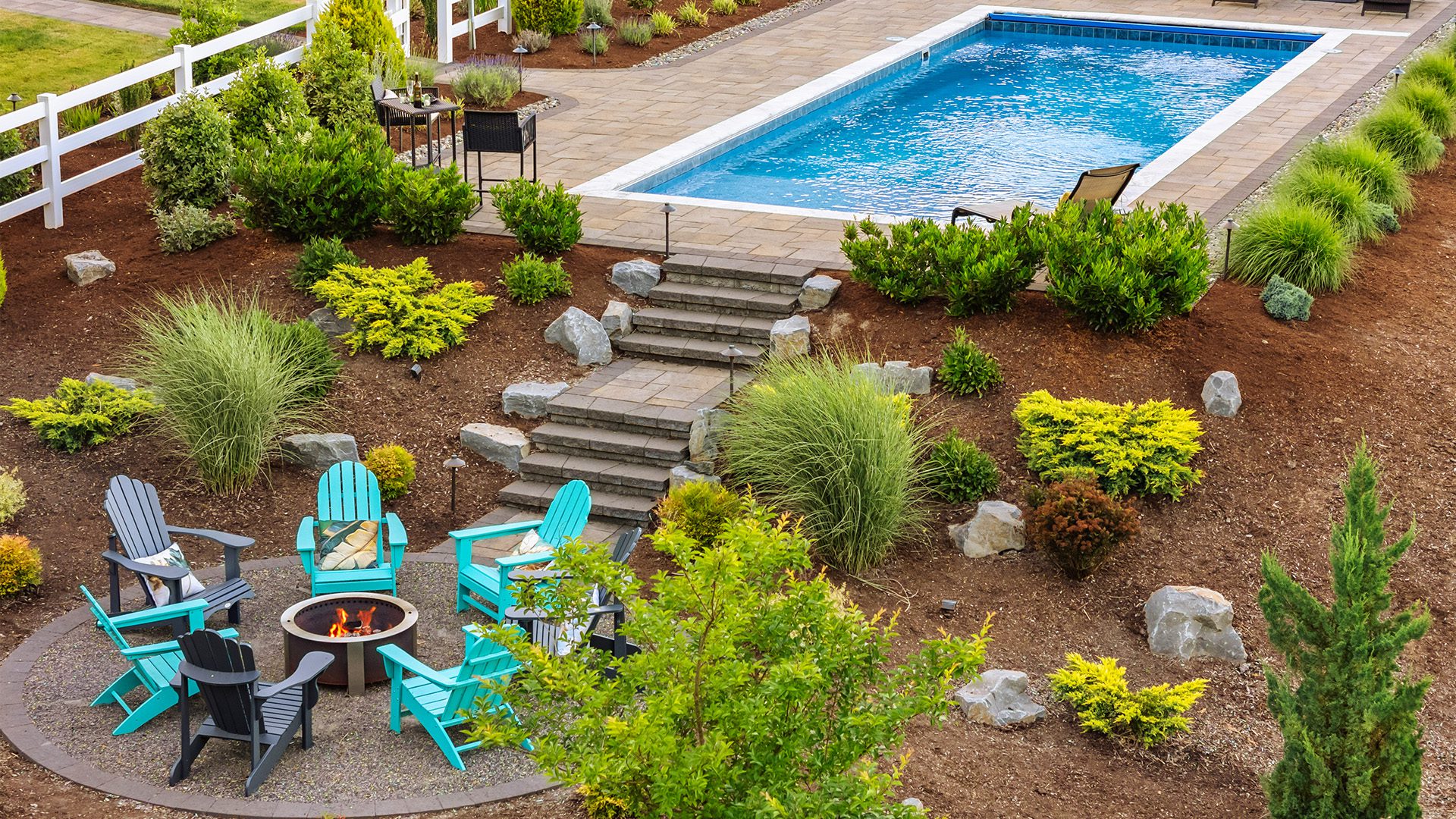
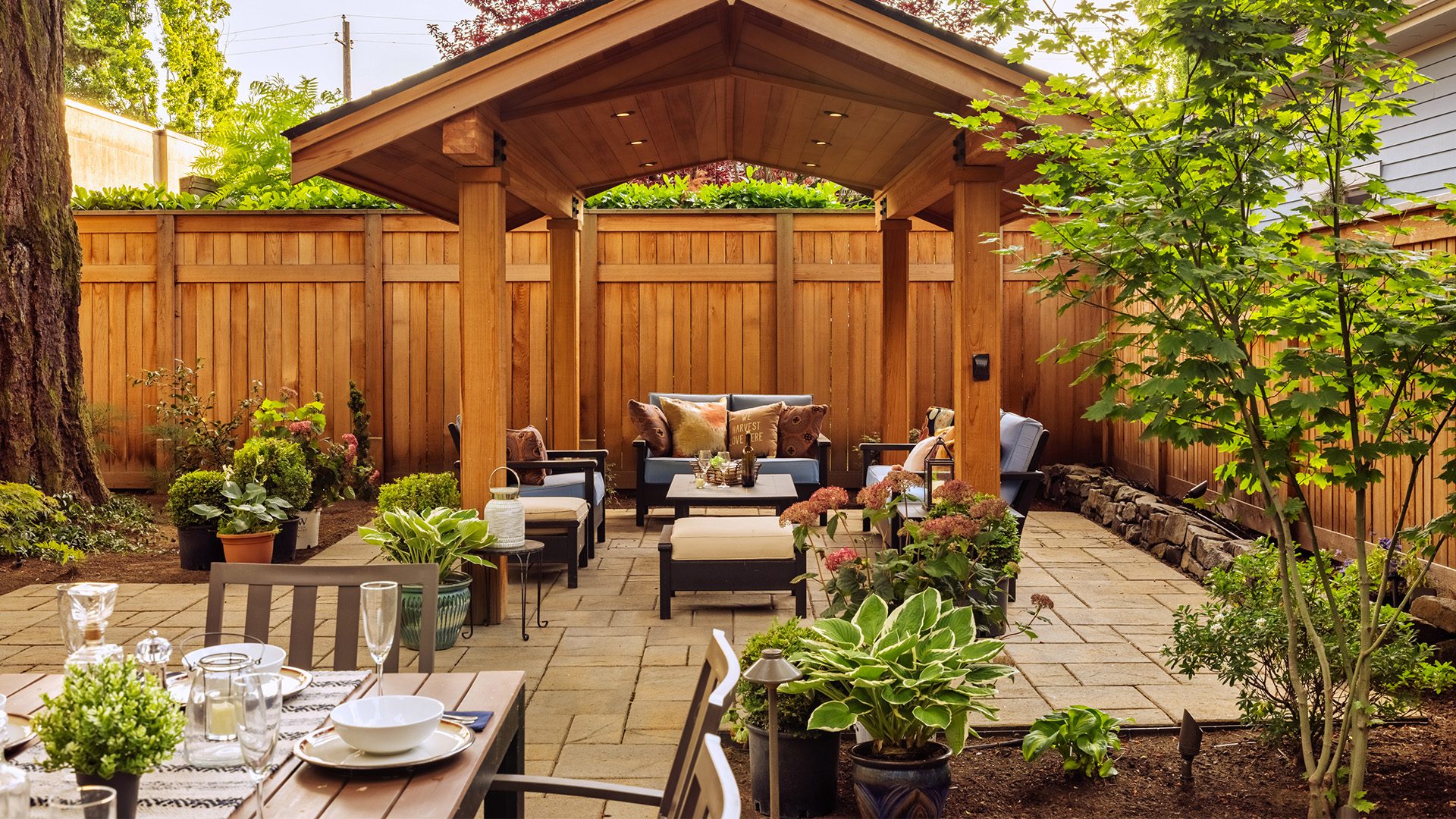
Your family’s needs will evolve, too. A play area for young children may one day become the perfect spot for a fire pit or outdoor gathering space. If you think you might eventually add a patio cover, outdoor kitchen or other features, planning for those possibilities now can save significant time and expense later.
I learned that lesson firsthand. We installed the landscaping at our own home without planning for a future patio cover. Now we’re reworking portions of the yard to accommodate one. It will be worth the effort, but designing with that possibility in mind from the beginning would have saved both time and money.
Planning ahead also means designing for the Pacific Northwest’s changing climate. Hotter, drier summers and wetter winters make proper drainage, efficient irrigation, healthy soil and climate-appropriate plants more important than ever. When the right plant is placed in the right location, it thrives with less maintenance and fewer replacements.
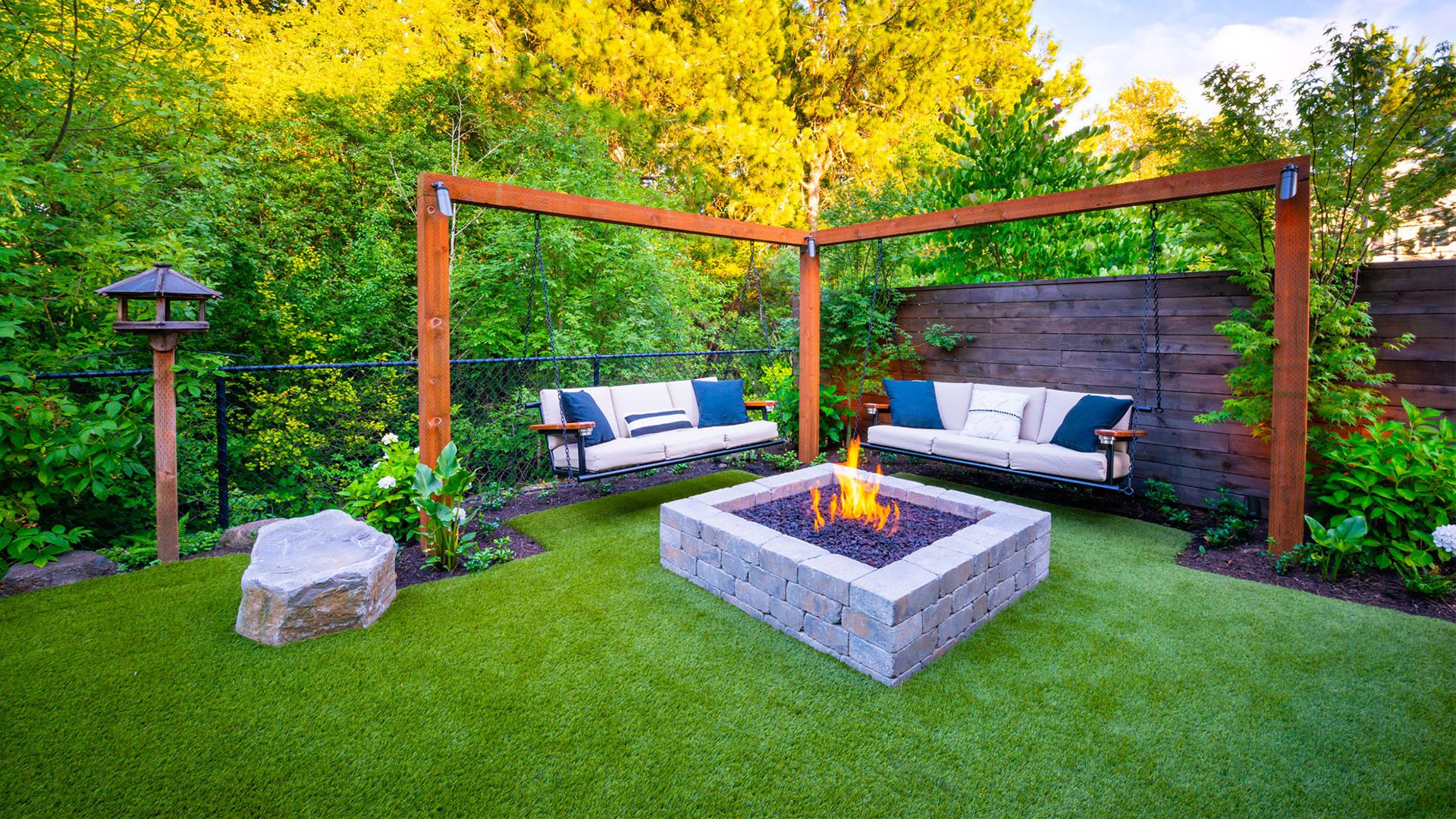
For many homeowners, synthetic turf is another long-term investment worth considering. While the upfront cost is higher, it eliminates mowing, watering and fertilizing while providing a clean, usable lawn year-round, even during Oregon’s wet winters.
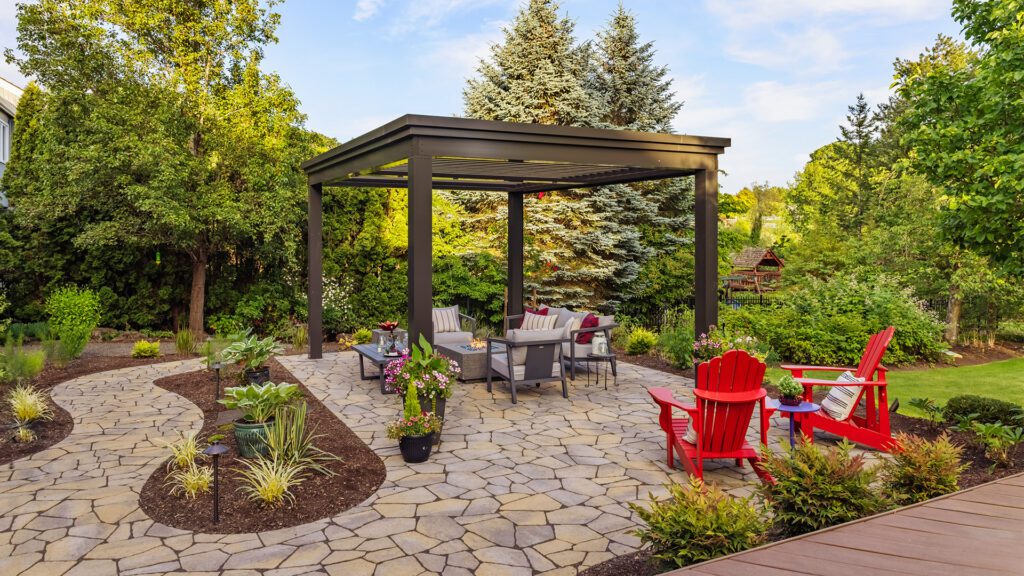
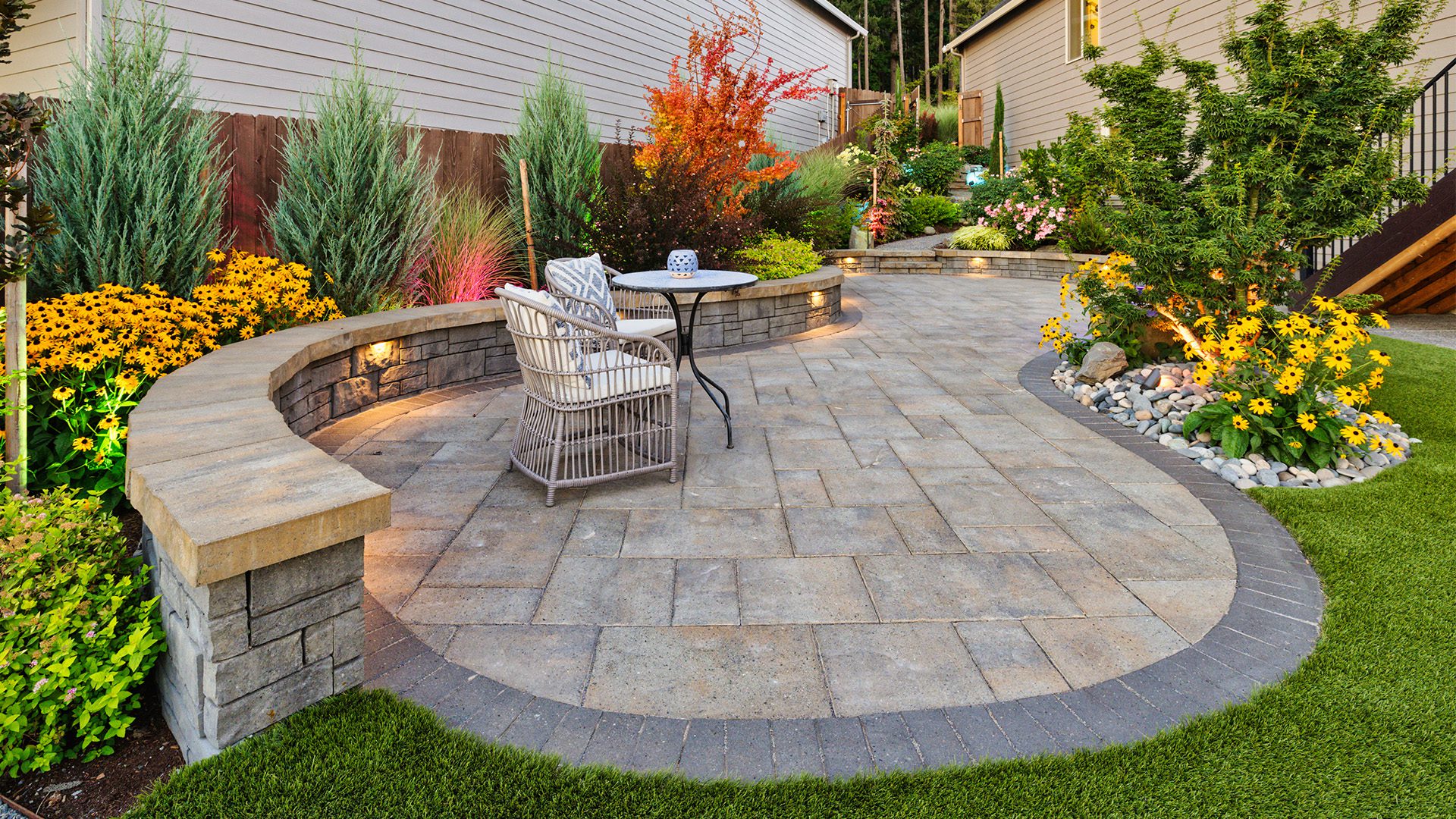
Material choices matter more than many homeowners realize. A paver patio often outlasts a traditional wood deck because it won’t rot. Unlike poured concrete, individual pavers can also be reset if they settle or shift over time. Likewise, properly installed segmental concrete or natural stone retaining walls typically provide far greater durability than wood, which will eventually deteriorate.
Quality installation is just as important as quality materials. Lower bids sometimes cut corners in ways you can’t see, including improper irrigation depths, inferior electrical connections for landscape lighting or inadequate soil preparation. Smart irrigation controllers, proper grading and well-built infrastructure all help ensure a landscape performs beautifully for years to come. These are standard practices at Blessing Landscapes and important considerations when comparing proposals.
Finally, avoid one of the most common mistakes… tackling projects one piece at a time. Installing a patio one year, adding plants the next and landscape lighting later can lead to unnecessary costs and a disconnected design. A comprehensive master plan allows projects to be completed in phases while ensuring every improvement works together seamlessly.
At Blessing Landscapes, our design-build-maintain approach creates outdoor spaces that grow gracefully and adapt as your lifestyle evolves. If you’re planning to transform your property, start with a comprehensive vision that will serve your family for years to come.
For more information or to schedule a consultation, contact Blessing Landscapes at (503) 284-3557.
Any content, resident submissions, guest columns, advertisements, and advertorials are not necessarily endorsed by or represent the views of Best Version Media LLC (BVM) or any municipality, homeowners associations, businesses, or organizations that this publication serves. BVM is not responsible for the reliability, suitability, or timeliness of any content submitted, inclusive of materials generated or composed through artificial intelligence (AI). All content submitted is done so at the sole discretion of the submitting party.