The first month of school is where so much of the year’s story is quietly written, not just in classrooms, but in kitchens, cars, and living rooms. As a Head of School and fellow parent, it becomes clear every year that what families do at home in those first 30 days can make the difference between a rushed, anxious start and a season that feels calm, connected, and joyful. This is not about creating a perfect family system. It is about putting a few steady practices in place that help children feel safe, seen, and ready to learn.
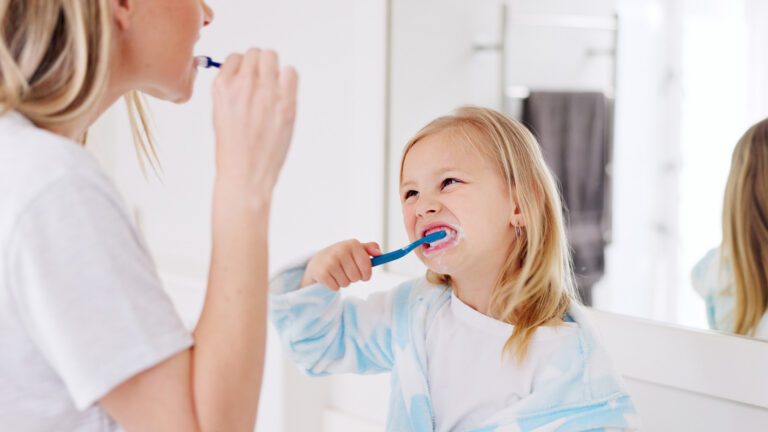
Routines are where that calm begins. Children of all ages thrive when mornings feel predictable: a consistent wake up time, a simple morning checklist, and a family plan for what happens when someone is running behind. For one family, this may mean backpacks by the door and lunches packed the night before. For another, it may be a quiet five minutes at the breakfast table with no phones and no rushing. The goal is not perfection; it is giving children the comfort of knowing what to expect. A steadier bedtime during the back to school transition is one of the kindest gifts a family can give. Well rested children learn more easily, manage frustration better, and move through the day with greater confidence.
Calm also grows from the way adults talk with and listen to children about school. Many students carry big feelings into a new year: excitement, nerves, uncertainty, and sometimes worries they do not yet know how to express. A short daily check in can open the door to honest conversation without making every afternoon feel like an interrogation. A simple prompt such as “Tell me one good thing and one hard thing from today” can create space for children to share what is really on their minds. When something difficult comes up, the first response does not need to be a solution. Often, children simply need to know they are believed, supported, and not alone.
The final piece is partnership. Schools do their best work when families see educators not as distant decision makers, but as allies who deeply want each child to flourish. That partnership often begins with small, meaningful habits: reading school communication carefully, attending beginning of year events, introducing yourself to your child’s teacher, and sharing a few things that help your child feel successful. When concerns arise and at some point they usually do reaching out early with curiosity rather than frustration creates a much stronger path forward. A sentence as simple as “Can we put our heads together on this?” invites collaboration and trust.
As you step into this new school year, I hope you feel two things clearly: you do not have to do it perfectly, and you do not have to do it alone. The small, steady things you do at home matter far more than any single big moment at school. When we share routines, listen to our children’s hearts, and talk honestly with one another, they begin to feel wrapped in a circle of care they can count on.
That is where the beauty of a school year really lives. Not in perfect days, but in children who know there is a team around them at home and at school, paying attention, cheering them on, and believing in who they are becoming.
Park Maitland School | 407-972-0232 | www.parkmaitland.com
Any content, resident submissions, guest columns, advertisements, and advertorials are not necessarily endorsed by or represent the views of Best Version Media LLC (BVM) or any municipality, homeowners associations, businesses, or organizations that this publication serves. BVM is not responsible for the reliability, suitability, or timeliness of any content submitted, inclusive of materials generated or composed through artificial intelligence (AI). All content submitted is done so at the sole discretion of the submitting party.