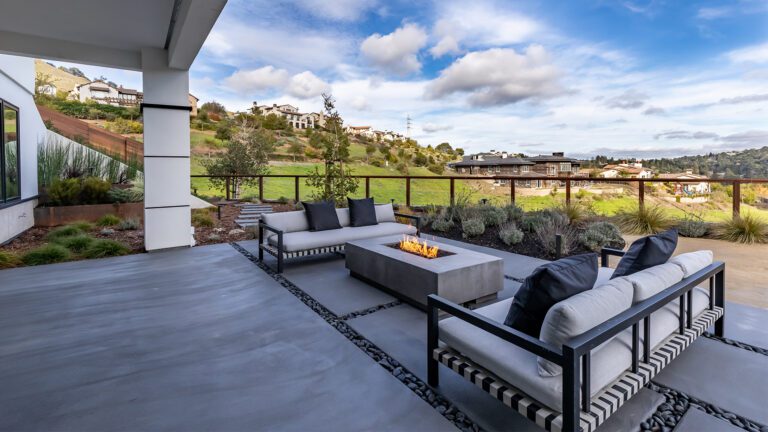
With our daily routines now spanning multiple settings, the home office has officially transitioned from a temporary setup into a lasting part of our suburban landscape. Here in the Bay Area, remote and hybrid arrangements remain highly common, making a dedicated workspace an essential design consideration rather than an afterthought.
According to the U.S. Bureau of Labor Statistics, 35% of employed individuals did some or all of their work at home on days they worked in 2025. Research from global architecture firm Gensler shows that workers want environments that feel productive, professional, creative, and inspiring. A successful home office must prioritize function before form, focusing on ergonomics, privacy, lighting, and organization.
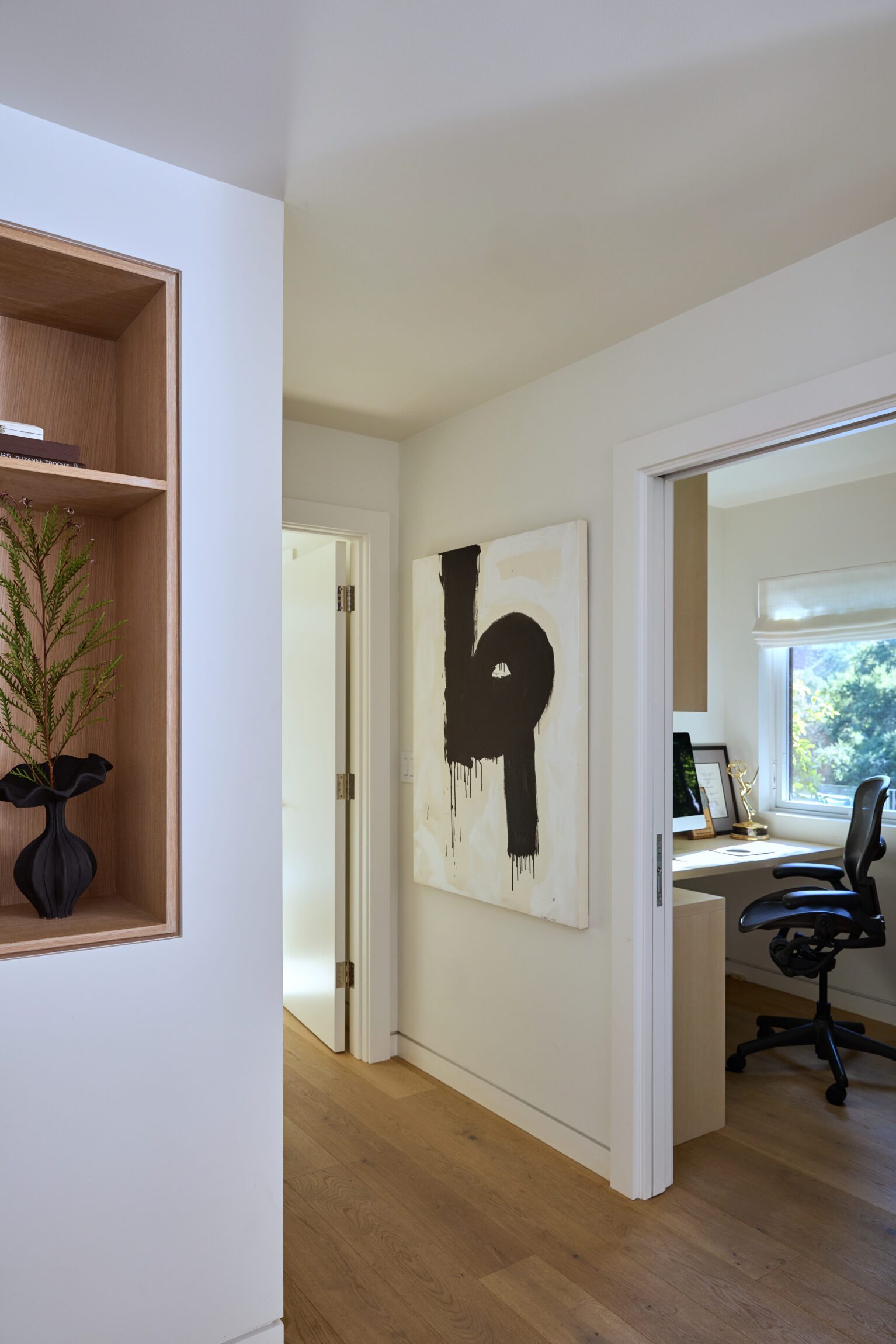
(Submitted by Trish Stiglos)
The Critical Investment: Your Chair
The desk chair is the most important piece of furniture in the room. Because comfort depends entirely on your unique body type, posture, and work habits, it is always best to choose a chair through a hands-on sit test. Look for adjustable lumbar support, swivel capabilities, adjustable armrests, flexible recline functions, and casters suited to your flooring. If the chair is a poor match, physical discomfort will quickly distract you from your daily tasks.
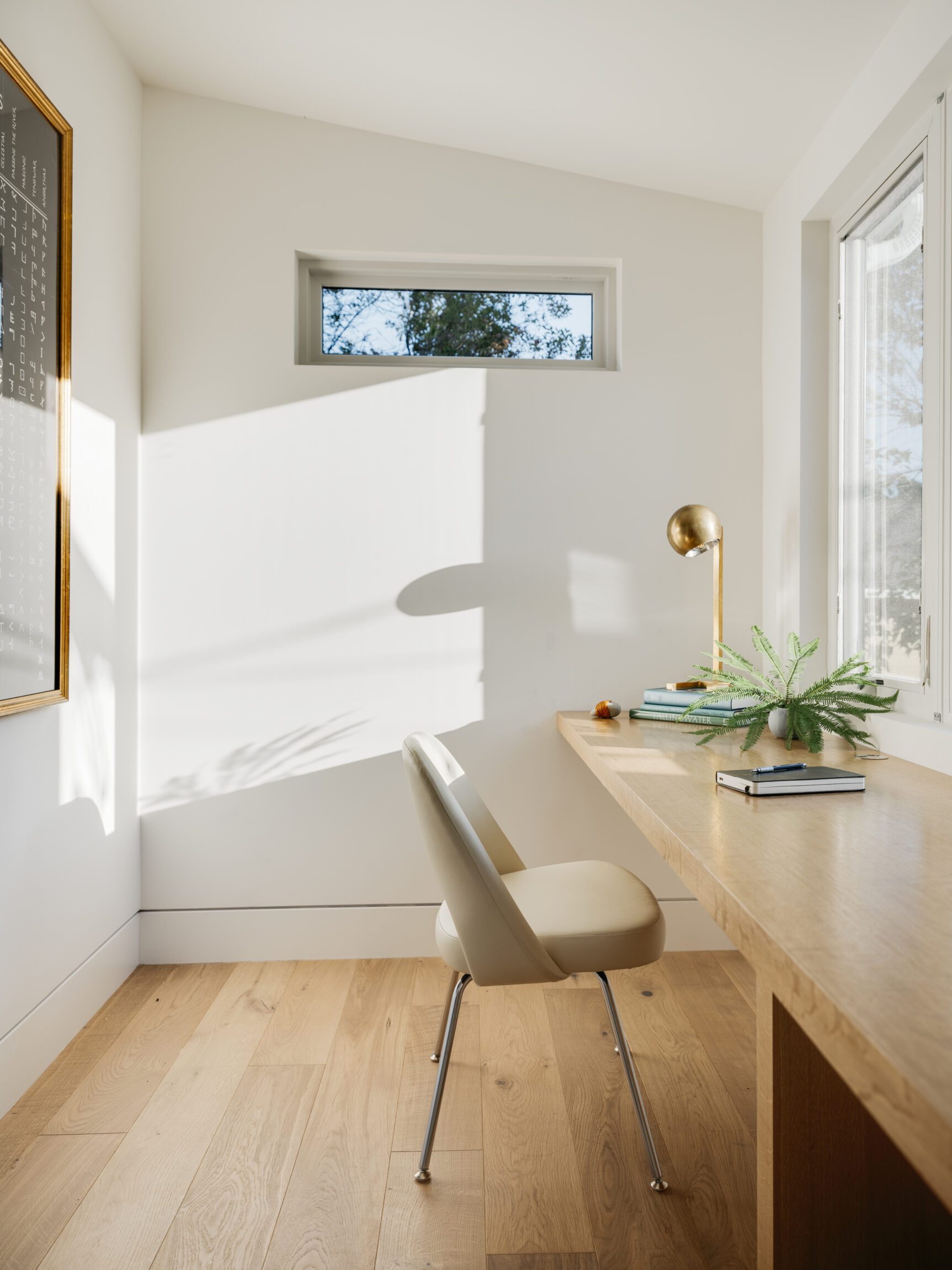
(Submitted by Trish Stiglos)
Desks, Tech, and Boundaries
Next comes the desk. Many modern professionals prefer height-adjustable desks featuring integrated power options and smart wire management. Your work surface should provide ample room for your monitor, keyboard, printer, and CPU. Monitor arms improve flexibility for dual screens, while a curved monitor offers a wider continuous field of view.
If your office serves as a shared family space after hours, a small stool that tucks completely under the desk provides an easy place for a visitor to sit without cluttering the room. Establishing clear spatial boundaries, like a closable door, a dedicated alcove, or a screen, makes it much easier to stay focused during the day and fully disconnect after hours.
Smart Layout and Storage
When incorporating a home office into a remodel, start space planning early. Positioning your workspace completely away from high-traffic household areas makes a massive difference. Built-in shelving and custom cabinetry help keep materials organized and eliminate visual clutter. Dedicated storage for files, technology, and supplies keeps essentials close at hand while preserving a sense of order. In busy households, adding wall soundproofing or a ceiling sound barrier can further support deep concentration.
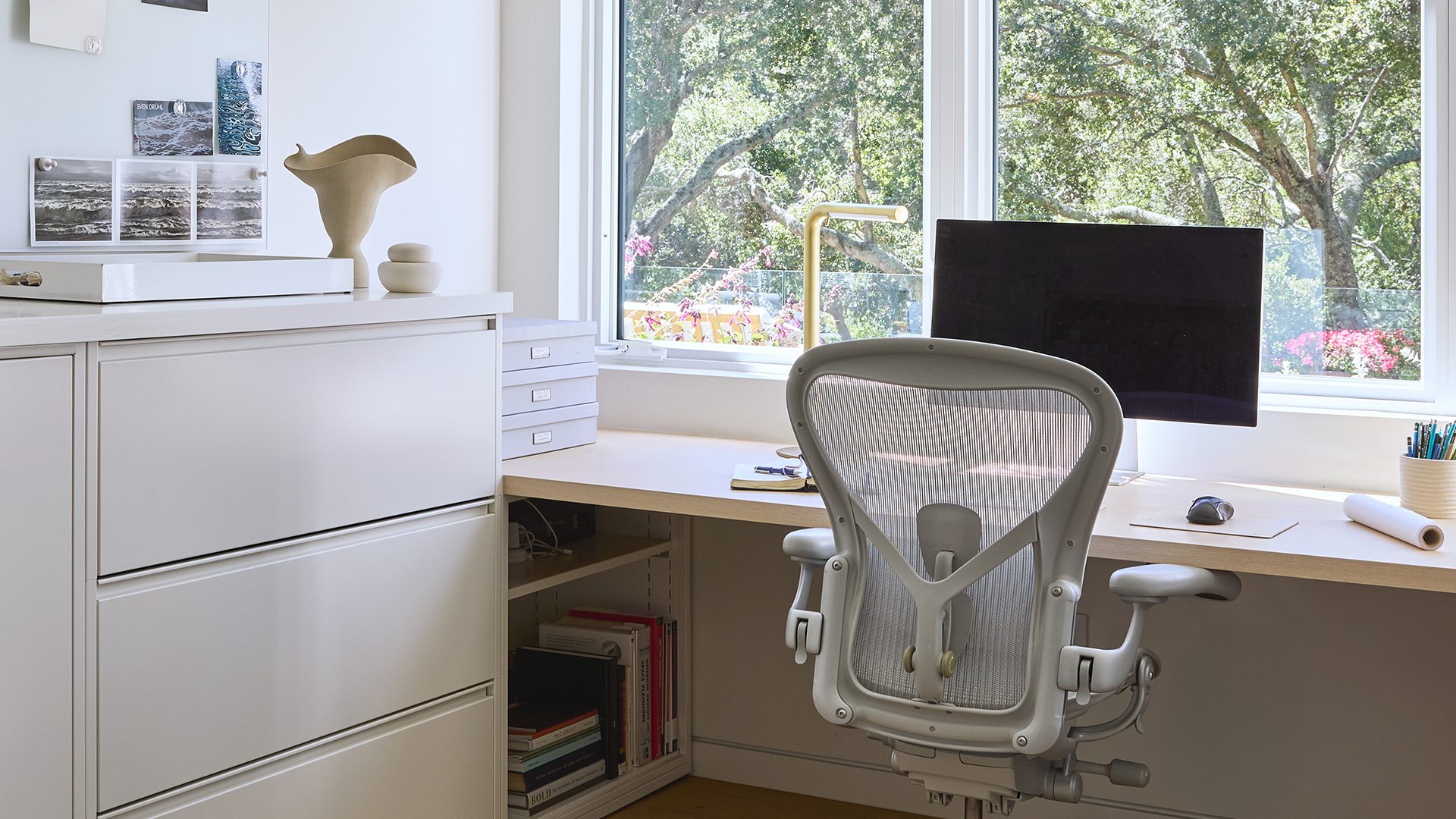
(Submitted by Trish Stiglos)
Layering Lighting and Décor
Lighting is equally vital. Ideally, a well-designed office capitalizes on natural light and combines general ambient lighting with focused task lighting and warm accent lighting. This combination ensures the room feels both highly functional and beautifully finished. Once these essentials are in place, art and accessories can add personal character without compromising on professionalism. The goal is a space that looks polished on camera, supports your workflow, and reflects your personality.
The best home offices do much more than simply enable us to work. They make it easier to do our work well.
Any content, resident submissions, guest columns, advertisements, and advertorials are not necessarily endorsed by or represent the views of Best Version Media LLC (BVM) or any municipality, homeowners associations, businesses, or organizations that this publication serves. BVM is not responsible for the reliability, suitability, or timeliness of any content submitted, inclusive of materials generated or composed through artificial intelligence (AI). All content submitted is done so at the sole discretion of the submitting party.