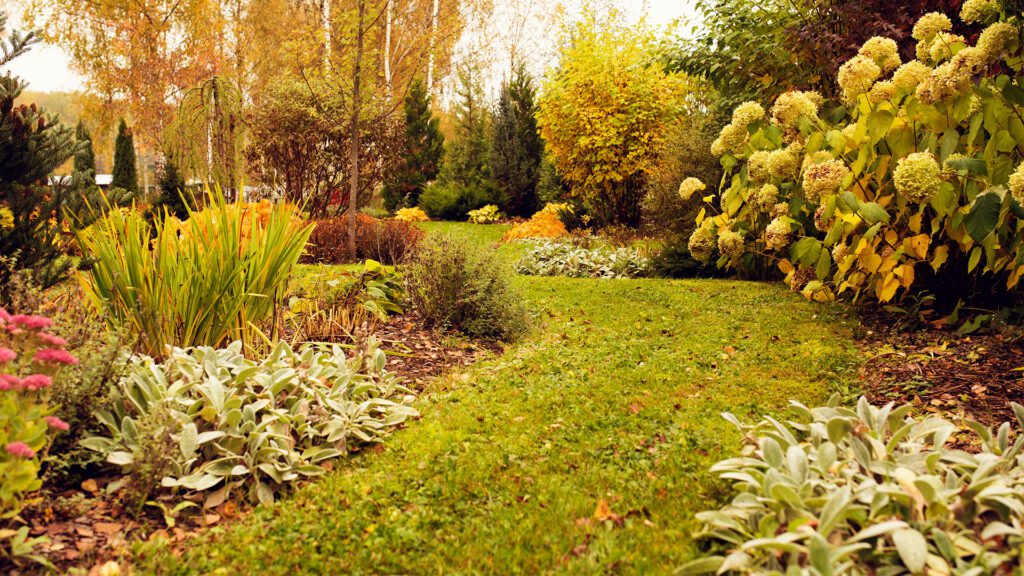
October is a beautiful time in Orinda. The mornings are cooler, the light is softer, and after months of summer heat, our gardens are beginning to shift into a new season.
It’s also the perfect time to take a closer look at your landscape. What thrived this summer? What struggled? Where did you use too much water, need more shade, or find yourself avoiding altogether?
A few thoughtful changes this fall can help create a healthier, more resilient, and more enjoyable garden for the year ahead.
Notice What Struggled This Summer
Before replacing a struggling plant, consider why it struggled.
Look for areas with scorched foliage, plants that required constant watering, bare spots, or spaces that became too hot to enjoy. These are valuable clues about what your landscape may need.
A hot, exposed planting bed might be better suited to drought-tolerant natives or Mediterranean plants. A western-facing patio may benefit more from a strategically placed shade tree than another round of smaller plants.
The goal isn’t simply to replace what didn’t work—it’s to make a better choice for that particular space.
Take Advantage of Fall Planting
Many homeowners think of spring as planting season, but fall is one of the best times to plant in our Bay Area climate.
Cooler temperatures put less stress on new plants, while the months ahead give roots time to establish before another hot, dry summer.
Consider California natives and other climate-adapted plants that naturally thrive in our conditions. Manzanita, native sages, flowering perennials, and ornamental grasses can bring color, texture, and movement while also providing valuable habitat for bees, butterflies, and hummingbirds.
A water-wise landscape doesn’t need to feel sparse. With the right plant choices, it can be layered, colorful, and full of life.
Adjust Irrigation and Refresh Mulch
After a long summer, take a few minutes to check your irrigation system.
Turn on each zone and walk the garden while it runs. Look for broken or clogged emitters, leaks, water hitting pavement, or areas that remain unusually dry. As temperatures cool and days shorten, irrigation schedules should also be adjusted so you’re not watering at midsummer levels.
Fall is also a good time to refresh mulch. A 2–3 inch layer can help retain moisture, suppress weeds, and protect the soil. Just remember to keep mulch away from tree trunks and plant crowns.
These simple steps can improve the health of your landscape while reducing unnecessary water use.
Plan Now for Next Summer
Fall is a great time to think beyond individual plants and consider how you actually use your outdoor space.
Where did you wish you had more shade this summer? Which areas of the yard went unused? Would a pathway make part of the garden more accessible? Could better lighting encourage you to spend more evenings outside?
Taking note of these things now can help guide future landscape decisions.
The most successful gardens aren’t just beautiful—they work with our climate and the way we live.
A Little Work Now Goes a Long Way
Your garden can tell you a lot after a long California summer. Pay attention to what worked, correct what didn’t, and use the cooler months ahead to make thoughtful improvements.
Whether you plant something new, adjust your irrigation, add mulch, or start planning a larger transformation, fall is an opportunity to create a landscape that will be healthier, more resilient, and ready for the seasons ahead.
Any content, resident submissions, guest columns, advertisements, and advertorials are not necessarily endorsed by or represent the views of Best Version Media LLC (BVM) or any municipality, homeowners associations, businesses, or organizations that this publication serves. BVM is not responsible for the reliability, suitability, or timeliness of any content submitted, inclusive of materials generated or composed through artificial intelligence (AI). All content submitted is done so at the sole discretion of the submitting party.