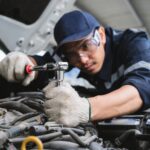
Many homeowners don’t realize that the majority of HVAC system breakdowns are not sudden or unavoidable. In fact, many common issues develop gradually and can often be identified and corrected during routine maintenance before they lead to a system failure.
Some of the most common causes of HVAC service calls include:
- Clogged condensate drain lines – Over time, dirt, algae, and debris can build up in the drain line, causing water backups that may lead to system shutdowns or water damage.
- Failed electrical components – Parts such as capacitors, contactors, and relays naturally wear over time. Regular testing can identify weakening components before they fail completely.
- Motor issues – Blower and condenser fan motors experience normal wear and tear. Preventative maintenance can often detect signs of excessive strain, overheating, or declining performance.
- Low refrigerant levels – This is a particularly common issue in older systems. Refrigerant doesn’t get “used up” during normal operation, so low levels typically indicate a slow leak somewhere in the system. Left unaddressed, low refrigerant can force the system to work harder, reduce cooling capacity, and eventually lead to compressor damage.
Routine HVAC maintenance is designed to identify these types of issues early, helping improve system reliability, efficiency, and longevity. To catch problems before they become costly repairs, HVAC systems should be professionally serviced every 6 months — once ahead of the cooling season and once ahead of the heating season.
A comprehensive maintenance visit typically includes:
- Clearing the condensate drain line
- Cleaning the indoor evaporator coil
- Washing the outdoor condenser unit
- Testing electrical components and connections
- Measuring system airflow
- Inspecting ductwork for leaks or restrictions
- Checking refrigerant levels and system pressures
- Evaluating overall system operation and performance
In addition to biannual professional maintenance, homeowners play an important role in keeping their system healthy between visits. One of the simplest and most effective habits is changing the air filter every month. A clean filter keeps air flowing freely, reduces strain on the blower motor, improves indoor air quality, and helps the system run more efficiently. A dirty, clogged filter is one of the most common — and most preventable — causes of reduced performance and premature wear.
Just as regular oil changes help keep a vehicle running properly, routine HVAC maintenance and monthly filter changes help ensure your heating and cooling system operates efficiently throughout the year. Preventive maintenance not only helps reduce the likelihood of unexpected breakdowns but can also improve comfort, energy efficiency, and equipment lifespan.
Any content, resident submissions, guest columns, advertisements, and advertorials are not necessarily endorsed by or represent the views of Best Version Media LLC (BVM) or any municipality, homeowners associations, businesses, or organizations that this publication serves. BVM is not responsible for the reliability, suitability, or timeliness of any content submitted, inclusive of materials generated or composed through artificial intelligence (AI). All content submitted is done so at the sole discretion of the submitting party.