When Florida temperatures soar into the 90s, your air conditioning system becomes one of the hardest-working appliances in your home. During the peak of summer, your A/C may run for hours at a time, making proper maintenance essential for keeping your home comfortable while avoiding costly repairs.
Fortunately, a few simple habits can help your system operate more efficiently and extend its lifespan.
Change Your Air Filter Regularly
A dirty air filter is one of the most common causes of poor A/C performance. When airflow is restricted, your system has to work much harder to cool your home, increasing energy costs and putting unnecessary strain on the equipment.
During the summer, check your filter every month and replace it every 30–90 days, depending on the type of filter, pets in the home, and indoor air quality.
Keep the Outdoor Unit Clear
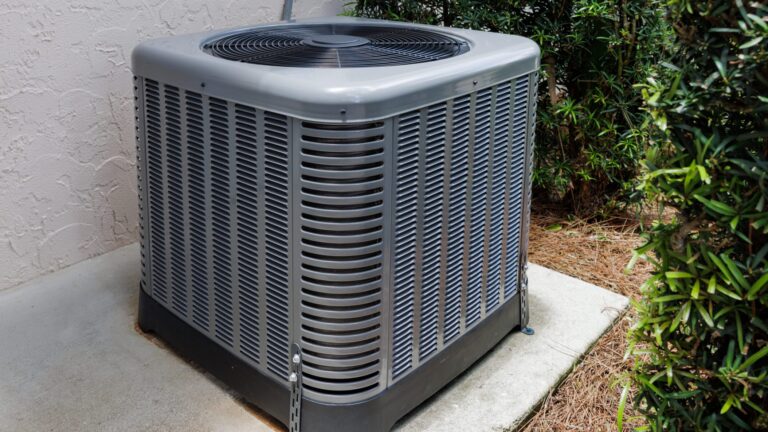
Your outdoor condenser needs room to breathe. Grass clippings, leaves, weeds, and shrubs can restrict airflow and reduce efficiency.
Maintain at least two feet of clearance around the unit and gently rinse the condenser coils with a garden hose when they become dirty. Never use a pressure washer, as it can damage the delicate fins.
Don’t Overwork Your System
Setting the thermostat extremely low won’t cool your home any faster—it simply forces the system to run longer.
For most Florida homes, a setting around 76–78°F when you’re home provides a comfortable balance between comfort and efficiency. Consider using a programmable or smart thermostat to automatically adjust temperatures when you’re away.
Keep Vents Open
It may seem logical to close vents in unused rooms, but most residential systems are designed to distribute air throughout the entire home. Closing vents can increase pressure in the ductwork, reduce efficiency, and even contribute to premature system wear.
Instead, make sure all supply and return vents remain open and unobstructed by furniture, rugs, or curtains.
Watch for Warning Signs
Don’t ignore changes in your system’s performance. Contact a qualified HVAC professional if you notice:
- Weak airflow
- Warm air coming from the vents
- Unusual noises or odors
- Ice forming on the indoor or outdoor unit
- Higher-than-normal electric bills
- Frequent cycling on and off
Addressing small issues early can often prevent much larger—and more expensive—repairs later.
Schedule Preventive Maintenance
The best way to protect your investment is with an annual professional tune-up. A technician can inspect electrical components, clean coils, check refrigerant levels, verify proper airflow, and identify potential problems before they lead to breakdowns during the hottest days of the year.
Stay Comfortable All Summer Long
Your air conditioning system is a major investment—and one that works overtime during Florida summers. With regular filter changes, a clean outdoor unit, smart thermostat settings, and routine professional maintenance, you can enjoy lower energy bills, fewer unexpected repairs, and dependable comfort all season long.
Expert Tip: If your A/C seems to be running continuously on the hottest afternoons, don’t panic. During periods of extreme Florida heat, it’s normal for properly functioning systems to run longer than usual. However, if your home never reaches the thermostat setting or humidity remains high, it’s time to have the system professionally evaluated.
Any content, resident submissions, guest columns, advertisements, and advertorials are not necessarily endorsed by or represent the views of Best Version Media LLC (BVM) or any municipality, homeowners associations, businesses, or organizations that this publication serves. BVM is not responsible for the reliability, suitability, or timeliness of any content submitted, inclusive of materials generated or composed through artificial intelligence (AI). All content submitted is done so at the sole discretion of the submitting party.