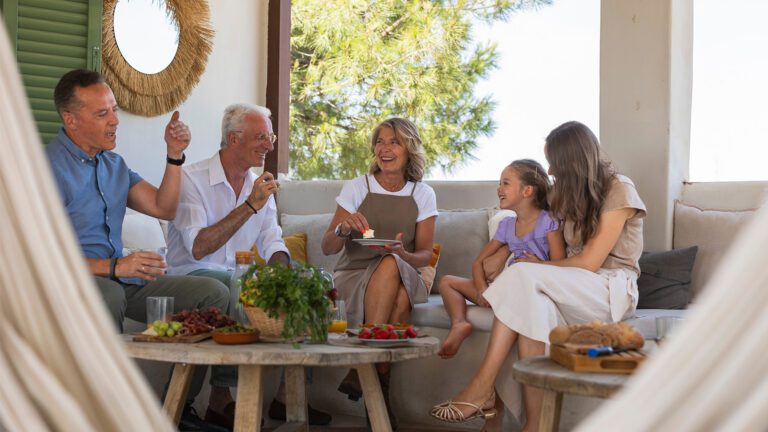
Practicing wellness means deliberately pursuing activities and lifestyles that lead to a state of positive, holistic health.
Wellness is multidimensional, including how the built environment affects your daily life. In other words, our physical wellness and emotional, spiritual and social health are all influenced by the homes and buildings we occupy.
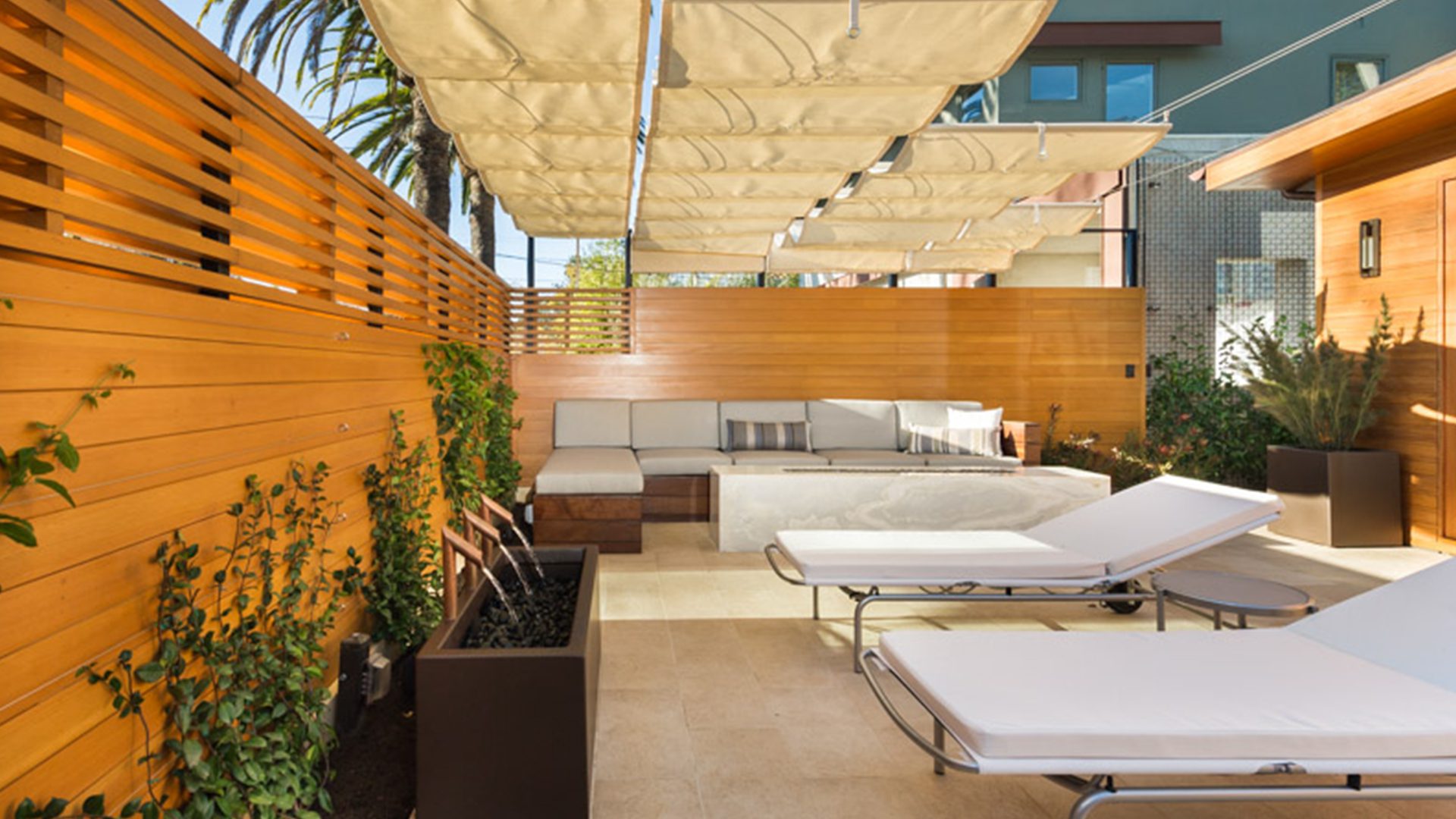
(Photos provided by Krueger Architects)
You might be shocked to learn that recent research reveals that we spend an astonishing 93% of our lives indoors. Inside those four walls, everything that activates our five senses influences our general wellness. The air we breathe, the light we are exposed to and sounds from outside are obvious, while direct access to green space is important but often overlooked. Spaces that promote serenity, comfort, and mindfulness are essential.
Best practices in home design, like sustainability, accessibility and flexibility, are all key to harmoniously bringing all of these elements together to create a home that promotes general wellness. The choices we make during the planning and design stages of any project can help — or hinder — the advancement of a healthier life.
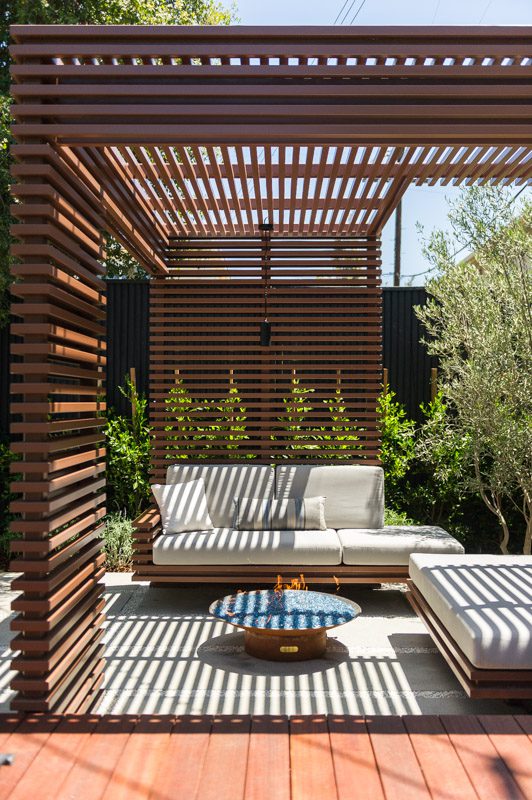
(Photos provided by Krueger Architects)
How to optimize your architecture and design for wellness
While green building standards are about sustainability and the health of the planet, wellness in design and architecture is focused on the health of the building’s occupants. Though there are similarities in both design strategies, wellness focuses on:
Location A home’s location can greatly impact physical and mental health. Humans are social animals, and proximity to activities that encourage a sense of belonging can elevate wellbeing. Location near public transportation, ease of access to the entry, and connection to green space and the outdoors should always be considered.
Natural Light Exposure to ample natural daylight through windows, as well as indirect or passive lighting, boosts the production of several chemicals in your body that lead to wellness, overall happiness and productivity.
Indoor Air Quality Air quality is important to wellbeing, and elements like toxin-removing plants and algae-based biofuels can help improve it. Carefully choosing HVAC systems and materials can greatly help reduce off-gassing and dangerous VOCs in the air. Fresh air and operable windows with ample cross-ventilation help occupants further connect to nature.
Active Design This strategy encourages occupants to take an active role in their health. For example, there could be stairs to climb, spaces for growing fresh food, a garden walking path, a gym, high-tech water filtration system, or easy-to-use bike storage that makes riding a bike to work an option.
Biophilic Deign Architects and designers can incorporate nature into building spaces by providing direct access to views of nature or using building materials and features that mimic and respect the surrounding ecosystem. This can be as simple as incorporating a natural color palette or as complex as creating an indoor garden or living wall. Anecdotally, when biophilic design principles are incorporated in schools, students show cognitive improvement; in hospitals recovery rates improve; and in workplaces productivity increases.
Among consumers, awareness of wellness is greater than ever. The public has come to understand that their emotional state and physical wellbeing are directly influenced by the spaces where they spend the most time.

(Photos provided by Krueger Architects)
As occupants experience the benefits of these design choices, they are more likely to demand the same or better in all the spaces they inhabit, which directly translates into returns in the real estate market.
By studying the new research on wellness and evolving our designs, architects and designers can make the built environment more supportive and inspirational for all.
Learn more at Krueger Architects, an architect-led, design-build firm, at kruegerarchitects.com.
Any content, resident submissions, guest columns, advertisements, and advertorials are not necessarily endorsed by or represent the views of Best Version Media LLC (BVM) or any municipality, homeowners associations, businesses, or organizations that this publication serves. BVM is not responsible for the reliability, suitability, or timeliness of any content submitted, inclusive of materials generated or composed through artificial intelligence (AI). All content submitted is done so at the sole discretion of the submitting party.