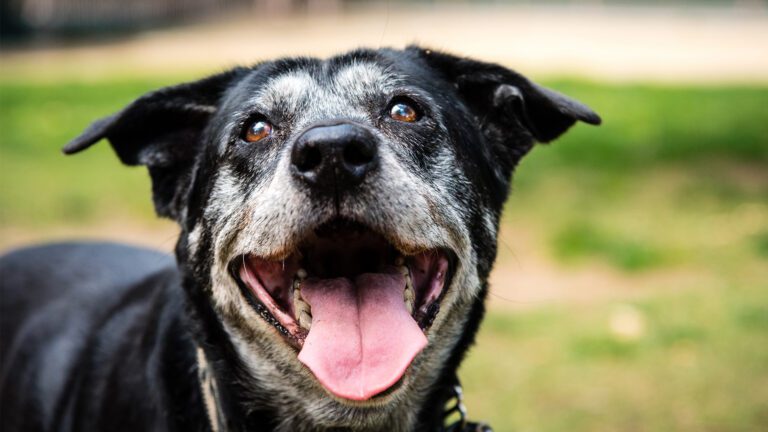
Growing older doesn’t have to mean losing quality of life. With proactive veterinary care, many senior dogs and cats continue to enjoy active, comfortable lives well into their golden years. The key is identifying subtle changes early—before they become larger health concerns.
Most pets are considered seniors around seven years of age, although this varies by breed and size. Larger dogs often reach their senior years earlier than smaller breeds, while cats frequently age more subtly, making routine veterinary visits especially important.
“As pets age, many changes happen so gradually that families don’t notice them right away,” says Dr. Coleman of Case Veterinary Hospital. “While aging is natural, pain and disease aren’t. The earlier we recognize those changes, the more we can do to help pets stay healthy and comfortable.”
Why Semi-Annual Exams Matter
One of the most important ways to support a senior pet is through wellness examinations every six months. Because pets age much faster than people, six months can represent years of change in their overall health. Aging pets can experience significant health changes in a relatively short amount of time, and regular checkups allow veterinarians to detect concerns before they become more serious.
While a year may not seem like long to us, it can represent a significant period of aging for a dog or cat—especially during their senior years. Missing even one routine examination may allow developing medical conditions to progress unnoticed, making regular wellness visits one of the most valuable tools for protecting your pet’s long-term health.
“A lot can change in a pet’s health over six months, especially as they age,” says Dr. Rines. “Seeing senior pets every six months allows us to identify developing conditions earlier, monitor ongoing health concerns, and adjust their care before small issues become bigger ones.”
These visits often include a comprehensive physical examination, routine laboratory testing, and other diagnostic screenings. Detecting conditions such as kidney disease, liver disease, diabetes, thyroid disease, arthritis, heart disease, and dental disease early often provides more treatment options and leads to better long-term outcomes.

Looking for the Little Things
Many of the earliest signs of aging are easy to overlook. Your pet may hesitate before jumping onto the couch, take longer to stand after resting, sleep more than usual, become less interested in walks or play, have changes in hearing or vision, experience accidents in the house, or simply seem “not quite themselves.”
“One of the biggest misconceptions is that slowing down is simply part of getting older,” says Dr. Torres. “Those changes are often a pet’s way of telling us something isn’t right, and in many cases there are treatments that can significantly improve their comfort and quality of life.”
Supporting Healthy Aging
Senior wellness goes beyond identifying illness. Maintaining a healthy weight, providing appropriate exercise, supporting joint health, and ensuring excellent dental care all play important roles in helping pets stay active and comfortable.
Arthritis is one of the most common conditions seen in senior pets, but treatment is never one-size-fits-all. Depending on the individual pet, recommendations may include therapeutic nutrition, joint supplements, weight management, pain medications, rehabilitation strategies, or laser therapy to improve mobility and comfort.
While many age-related conditions can’t be prevented, dental disease is one area where early intervention can make a lasting difference. Prioritizing dental care throughout a pet’s life—including routine oral examinations, professional dental cleanings when recommended, and consistent at-home care—helps reduce the risk of painful dental disease later in life. Maintaining good oral health throughout life helps pets enjoy healthier, more comfortable senior years.
“Every pet ages differently,” says Dr. Carla Case-McCorvey. “Our goal is to partner with families throughout every stage of their pet’s life. With preventive care, regular monitoring, and individualized care plans, we can often help senior pets enjoy more healthy, active years with the people who love them.”
Growing older is a privilege, and with thoughtful, proactive veterinary care, senior pets can continue hiking, playing, cuddling, and enjoying everyday life for years to come.
If your dog or cat is entering their senior years, now is the perfect time to schedule a wellness examination. Seeing senior pets every six months gives us the opportunity to identify small changes before they become larger problems, helping your companion stay healthier, more comfortable, and enjoy the best possible quality of life for years to come.
Vet Tip
If your pet seems to be “slowing down,” don’t assume it’s simply old age. Changes in mobility, appetite, behavior, weight, drinking habits, or energy level often signal medical conditions that can be treated or managed more successfully when detected early.
Any content, resident submissions, guest columns, advertisements, and advertorials are not necessarily endorsed by or represent the views of Best Version Media LLC (BVM) or any municipality, homeowners associations, businesses, or organizations that this publication serves. BVM is not responsible for the reliability, suitability, or timeliness of any content submitted, inclusive of materials generated or composed through artificial intelligence (AI). All content submitted is done so at the sole discretion of the submitting party.