Well, my previous two articles were much more lighthearted and fun to write, but I have a serious issue to discuss this month.
As I am sure many of you know, the boxwood (Buxus) has been an indispensable staple in Western New York landscapes for generations. Prized for its neat, evergreen geometry, deer resistance (that’s a big one around here), ability to withstand our harsh winters, and year-round color — all while being low-maintenance and not particularly fussy — boxwood is one of the most important plants in landscapes. Drive through any neighborhood and you’re sure to see this ubiquitous plant! Yet, our local landscapes are facing an urgent threat. A stealthy, voracious invader — the box tree moth (Cydalima perspectalis) — is quietly devastating home gardens across our region. The situation draws a striking parallel to the mid-century Dutch elm disease crisis that famously stripped Buffalo of its iconic, leafy streetscapes. While this modern invader targets a shrub rather than a towering canopy tree, its destructive efficiency is identical. Recognizing the signs and taking immediate action is now the only way to safeguard our region’s boxwoods.
What Exactly Is the Box Tree Moth?
The box tree moth is a small white or brown moth that lays eggs on boxwood leaves. The moth itself is not the real problem. The real destruction comes from its babies: the caterpillars. When the larvae hatch, they feed aggressively on the leaves, stripping a plant bare very quickly. Severe infestations will easily kill an entire boxwood.
These pests are quite sneaky too. They don’t start eating the outside of the bush where you can easily see them. Instead, they start deep inside the center of the canopy. A boxwood can look perfectly lush and green from the street while hundreds of caterpillars are hollow-coring it from the inside out. By the time you notice brown patches on the exterior, the plant is often already dying.
From East Asia to Western New York: A Brief History
Native to temperate and subtropical regions of East Asia — including China, Japan, and Korea — the pest managed to cross continents in the early 2000s, likely hitchhiking on shipments of live nursery stock. It was first spotted in Europe in 2006 and, by 2018, had made its way to North America, first being spotted in the Toronto area. By 2021, it had crossed the Niagara River into Niagara County. Efforts by the state slowed its movement, but, by 2024, reports of infestations started coming out of the Northtowns. By spring 2025, the pest had breached the Southtowns, unleashing a wave of severe defoliation that transformed a localized nuisance into a sweeping regional problem.
The WNY Lifecycle: Timing Your Defense
Cornell’s Integrated Pest Management team indicates that the box tree moth consistently produces two full generations per year in our climate.
1. The Overwintering Phase (October – April)
The pest survives our harsh WNY winters as a partially grown caterpillar, safely tucked away inside a spun-silk cocoon hidden between tightly packed boxwood leaves. It can withstand temperatures as low as -22°F.
2. The Spring Awakening (May – June)
As temperatures rise in spring, these overwintered larvae emerge hungry. They feed aggressively, pupate, and emerge as the first flight of adult moths by late May or June.
3. The Summer Explosion (July – September)
Eggs laid by the first generation hatch into a second, typically much larger generation of caterpillars. This mid-to-late summer window is when catastrophic, overnight defoliation most frequently occurs across our region.
Can I Save My Boxwood?
The good news is, yes, you can. For small infestations, handpicking caterpillars can be effective. But remember, they like to hide on the inside of the plant, so you’ll really have to dig in there. For larger outbreaks, and for prevention, you have two great over-the-counter options.
1. Biological Controls: Look for products containing Bacillus thuringiensis subspecies kurstaki (Bt), such as Bonide (Bt). Bt is a naturally occurring soil bacterium that, when sprayed onto foliage, is ingested by the caterpillars. It specifically targets their digestive tract, causing them to stop feeding within hours. Bt is safe for humans, pets, and beneficial insects such as pollinating bees and butterflies.
2. Chemical Controls: Hands down, the most effective over-the-counter weapon available to homeowners is Bonide Eight, which uses an active ingredient called permethrin. Permethrin delivers a powerful, immediate “knockdown” punch on contact, wiping out the active caterpillars fast. Even better, it binds tightly to the boxwood foliage, leaving a protective residual shield that keeps working for up to four weeks. Any new larvae that hatch and try to take a bite will be stopped in their tracks. Just keep in mind that it is a strong chemical, so you should avoid spraying on windy days or when nearby companion flowers are actively blooming to keep our local pollinators safe.
3. Important Caveat on Disposal: If you have to prune out infected branches, or if you are handpicking the caterpillars themselves, never throw them into a compost pile or brush pile. Doing that just spreads the bug and proliferates the problem. Instead, take those infected branches, webs, and live caterpillars, seal them up tightly by double-bagging them in plastic bags, and put them out with your regular household trash. This suffocates the pests and ensures they are permanently removed from the neighborhood.
Life After Boxwood
If your boxwoods have already kicked the bucket, or if you’re planning a landscape renovation and just don’t want to deal with the headache, you have some great alternatives. If you squint hard enough some of these hollies are indistinguishable from boxwood and are 100% safe from the box tree moth.
Shamrock Inkberry Holly: This plant has a classic low, rounded boxwood look. It features soft, fine-textured green foliage, is very hardy, easy to trim, and is native to North America.
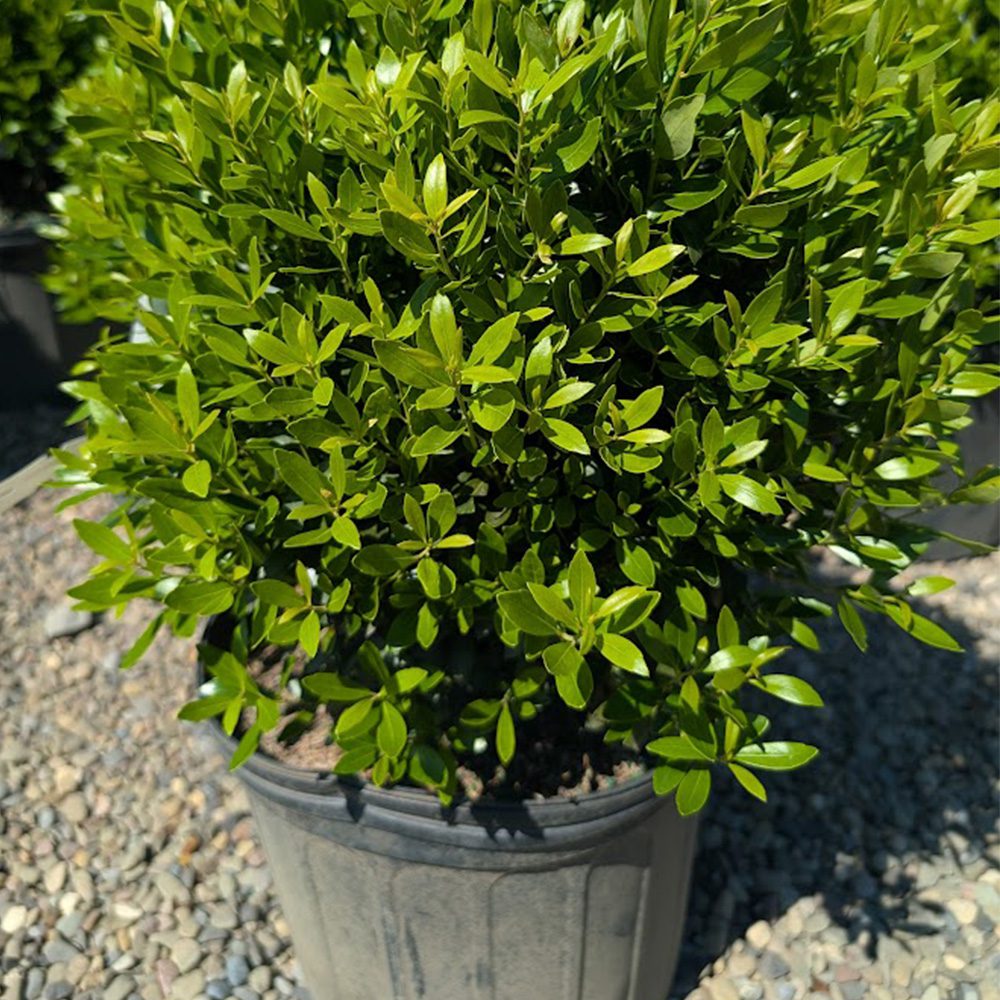
Soft Touch Japanese Holly: This one naturally grows into a beautiful, dense, low-growing dome. It has a soft texture and its branches are tough enough that they won’t easily split open when our heavy Buffalo snow loads pile up on them in the winter.
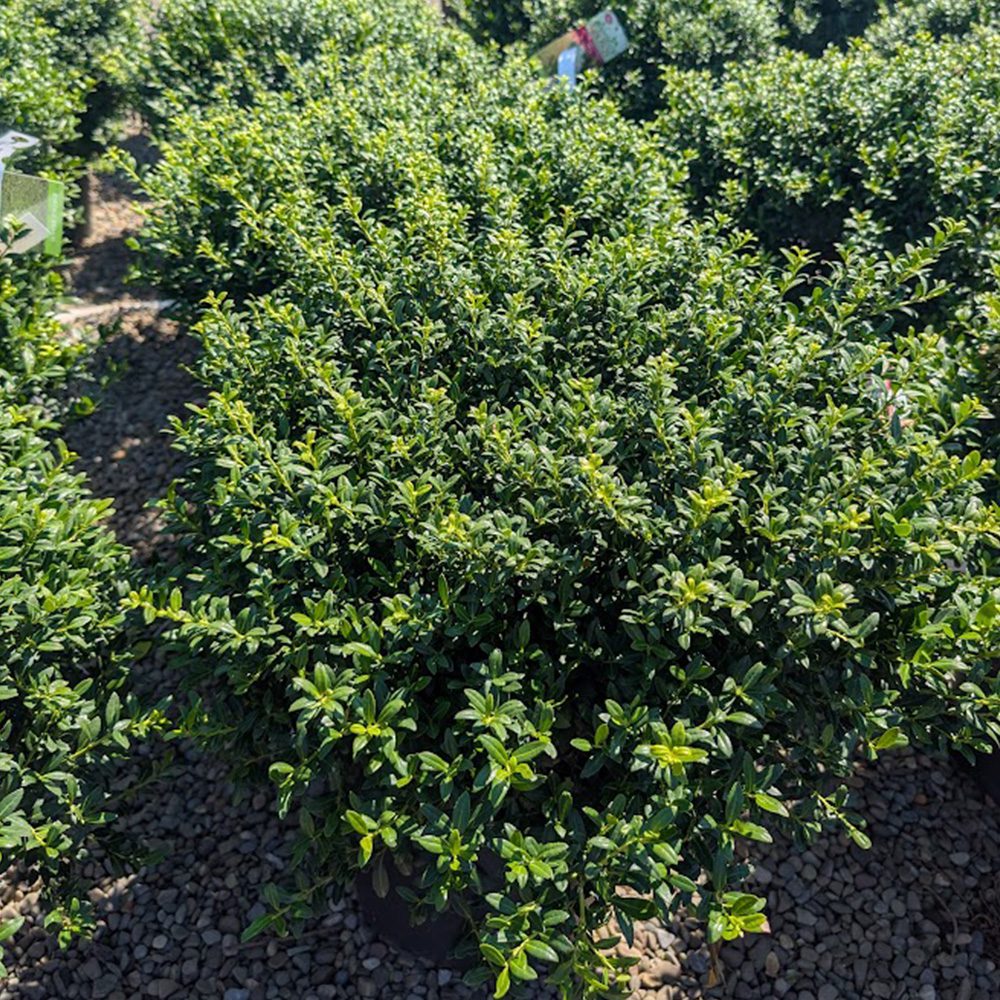
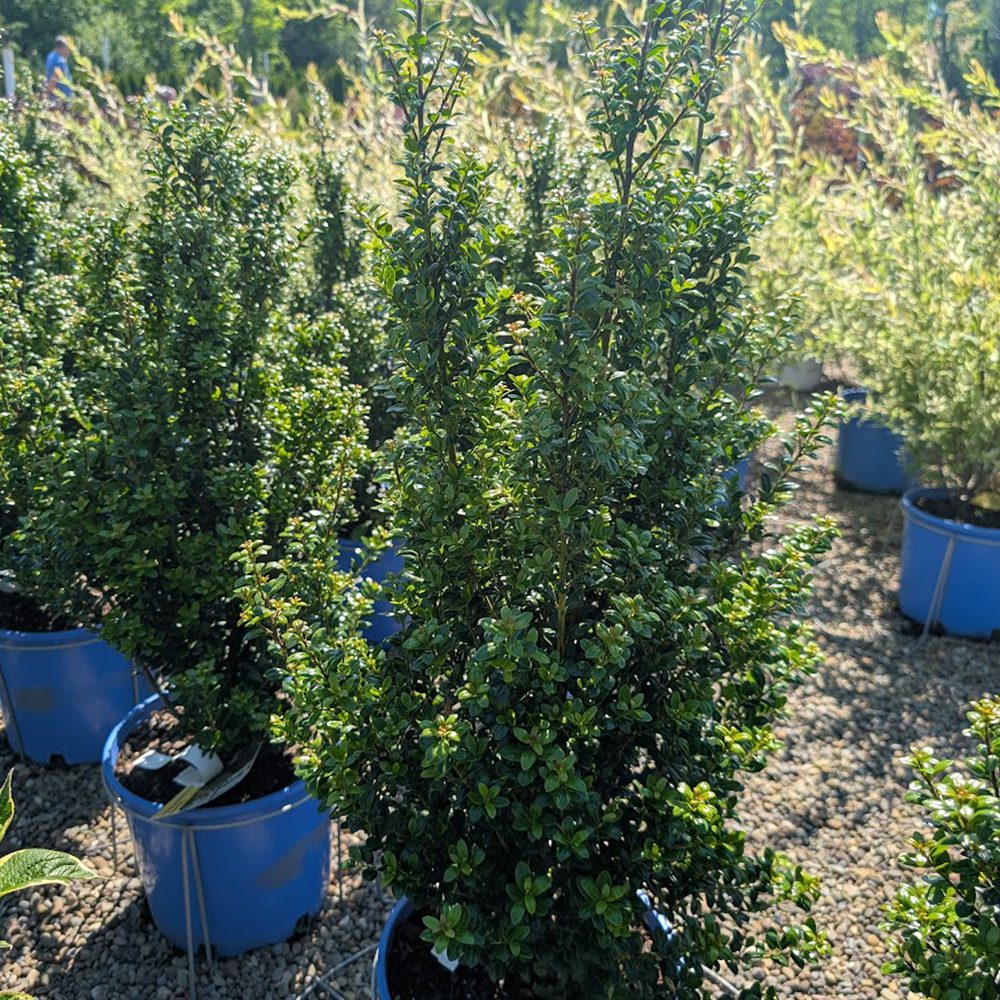
Sky Pencil Holly: Need something formal to frame a front entryway or fit into a tight corner? This unique variety grows strictly straight up like a green pillar, giving you great vertical height without expanding outward into your walkways.
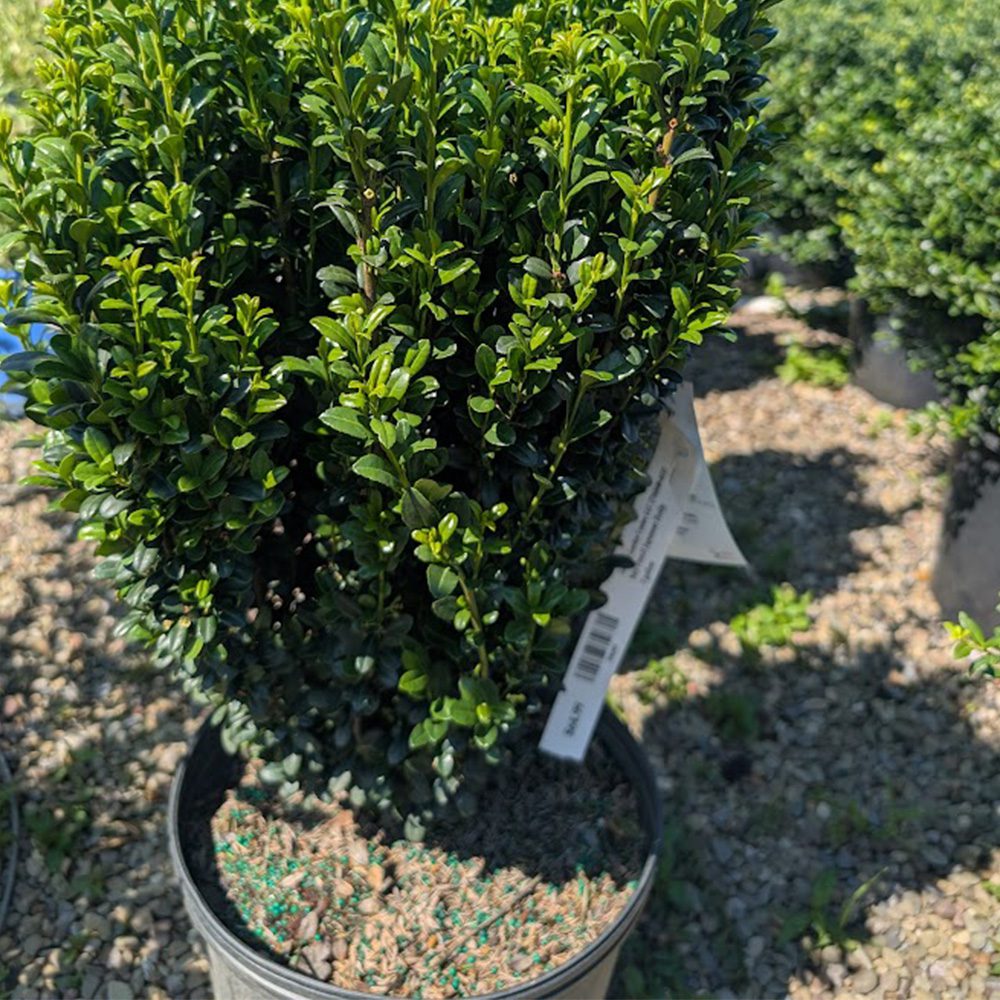
Castle Spire Blue Holly: If you need a taller, pyramidal shape for a foundation planting (think one on each side of the front porch), this is a beautiful choice. It features glossy dark blue-green leaves and will produce classic bright red berries in the winter if paired with a male pollinator.
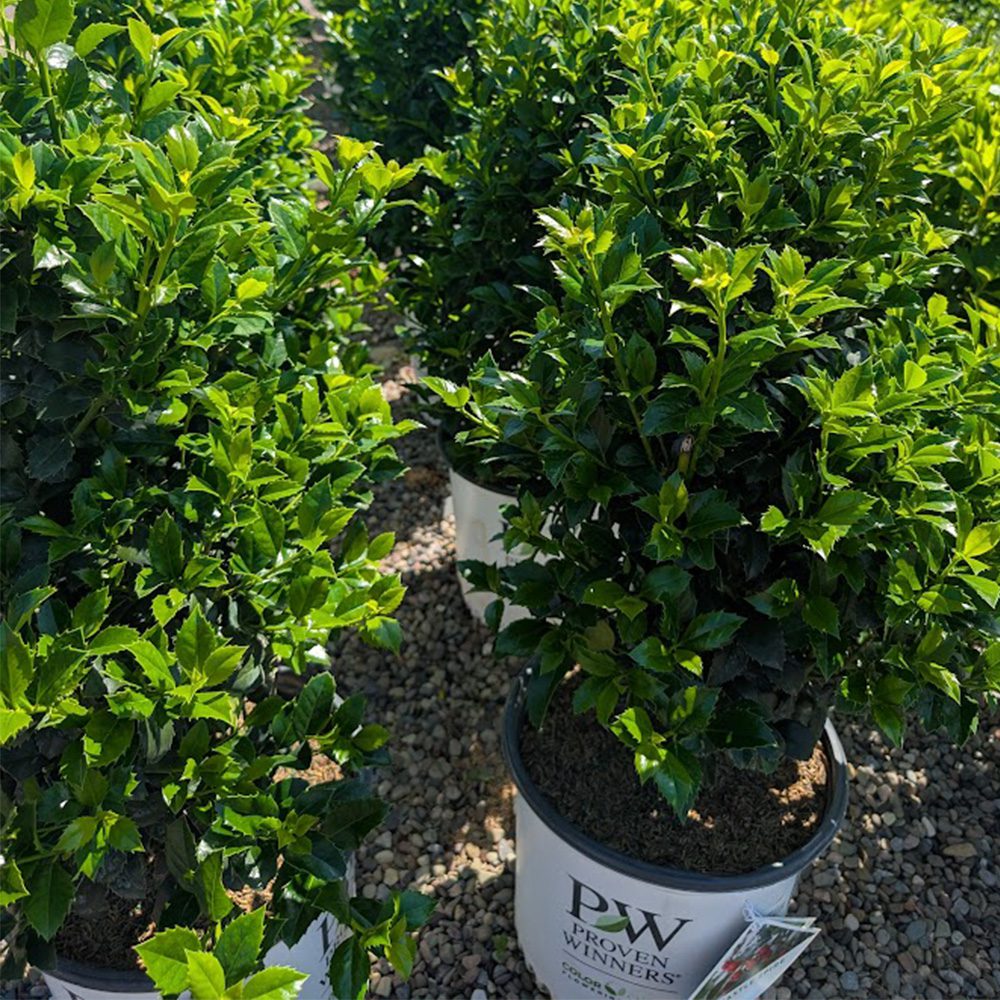
Steeds Upright Holly: This is a fast-growing, dense, pyramidal Japanese holly that is perfect for establishing a solid privacy screen, growing six to eight feet tall. It handles pruning beautifully, so you can keep it looking sharp and tailored.
Keeping WNY Green
Look, the arrival of this moth doesn’t mean we have to banish boxwoods from Western New York forever (I’m keeping mine). It just means the days of “set it and forget it” are over. By taking a peek inside our shrubs, keeping a bottle of Bonide Eight or Bt handy, and disposing of infected branches responsibly, we can keep our neighborhoods looking beautiful. Let’s keep our region green and healthy — one bush at a time.
Any content, resident submissions, guest columns, advertisements, and advertorials are not necessarily endorsed by or represent the views of Best Version Media LLC (BVM) or any municipality, homeowners associations, businesses, or organizations that this publication serves. BVM is not responsible for the reliability, suitability, or timeliness of any content submitted, inclusive of materials generated or composed through artificial intelligence (AI). All content submitted is done so at the sole discretion of the submitting party.