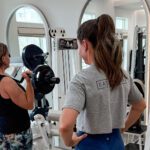
How building muscle can help improve energy, mobility, bone health, and independence at every stage of life.
It’s easy to assume that getting older naturally means slowing down, getting weaker, and feeling less capable. But a lot of what people experience with age isn’t just aging, it’s the result of losing strength over time.
Aging is a natural process, but many of the changes people associate with it, loss of strength, decreased energy, reduced metabolism, and reduced mobility, are strongly influenced by lifestyle, particularly how much we move and how we train our bodies. While there’s no way to stop time, research consistently shows there are powerful ways to influence how we age. One of the most effective is strength training.
Strength training has been studied extensively for decades, and the research is remarkably consistent. It improves not only muscle strength, but also bone health, metabolic function, balance, and overall physical independence. In other words, it supports the systems that matter most for long term quality of life.
One of the most significant age related changes is the gradual loss of muscle mass, which begins as early as our 30s. On average, adults can lose between 3 to 8 percent of muscle per decade, with the rate increasing as we get older. This process, known as sarcopenia, can lead to reduced strength, slower movement, and difficulty with everyday tasks like carrying groceries, getting up from the floor, or climbing stairs.
However, research shows that this decline is not fixed. Muscle remains highly adaptable throughout the lifespan. With consistent resistance training, adults of all ages, including those in their 70s and 80s, can significantly improve both muscle mass and strength.
Bone health is another critical piece of the aging puzzle. Bone density naturally declines over time, especially in postmenopausal women, increasing the risk of osteoporosis and fractures.
Strength training is one of the few forms of exercise that directly stimulates bone growth by placing controlled stress on the skeletal system. In response, bones adapt by becoming stronger and more resilient.
Metabolic health is also closely tied to muscle mass. Muscle tissue is metabolically active, meaning it requires energy even at rest. As muscle declines with age, resting metabolism can decrease as well, making weight management more challenging. Strength training helps preserve lean muscle, which supports a healthier metabolic rate and overall energy balance.
Beyond muscles and metabolism, strength training plays a major role in balance, coordination, and injury prevention. Falls are one of the leading causes of injury in older adults, and research shows that improved strength in the lower body and core can significantly reduce fall risk. Stronger muscles also support better posture and joint stability, making everyday movement more efficient and confident.
Perhaps most importantly, strength training supports independence. The ability to move freely and perform daily tasks without assistance is one of the strongest predictors of quality of life as we age. Maintaining strength helps preserve the capacity to live actively, whether that means traveling, playing with grandchildren, or simply feeling capable in your own body.
The encouraging part is that these benefits don’t require extreme workouts or long hours in the gym. Research supports that just two to three strength training sessions per week can lead to meaningful improvements in strength, muscle mass, bone health, and overall function.
Aging is inevitable, but losing strength and independence does not have to be.
If you have questions about getting started or want guidance on building a safe and effective strength training routine, we’d be happy to help! Feel free to schedule a consultation with our team. We are here to support you in building a stronger, healthier future!
Any content, resident submissions, guest columns, advertisements, and advertorials are not necessarily endorsed by or represent the views of Best Version Media LLC (BVM) or any municipality, homeowners associations, businesses, or organizations that this publication serves. BVM is not responsible for the reliability, suitability, or timeliness of any content submitted, inclusive of materials generated or composed through artificial intelligence (AI). All content submitted is done so at the sole discretion of the submitting party.