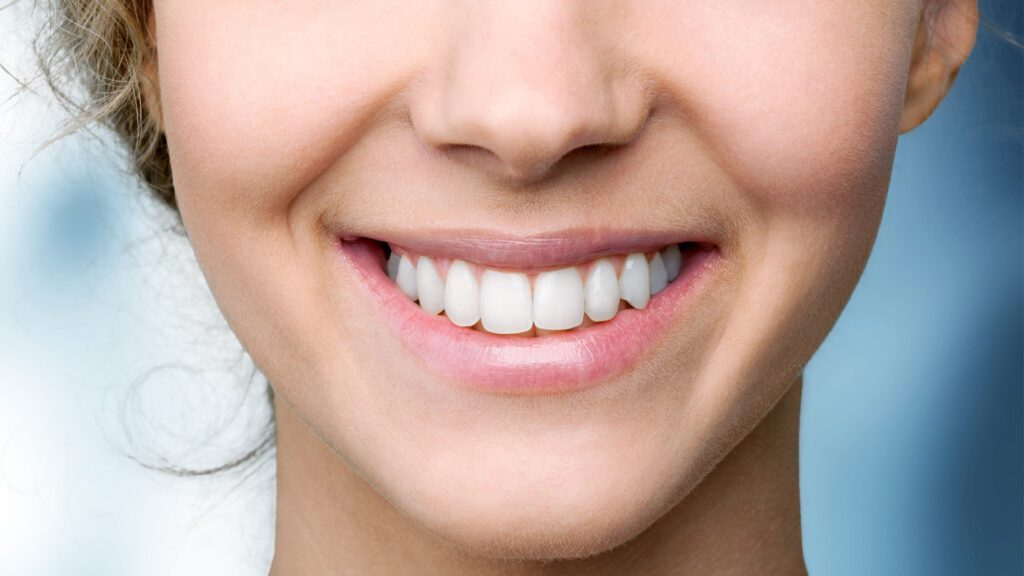
One of the questions I hear most often as a dentist is, “What’s the best way to whiten my teeth?” It’s no surprise. A brighter smile is something many people want, but with so many whitening products available, it can be difficult to know which option is right for you.
As we age, our teeth naturally become stained by everyday habits such as drinking coffee, tea, or red wine, smoking, and even some foods we eat. Certain medications can also affect the color of our teeth.
Why Do Teeth Become Discolored?
Tooth discoloration happens for many reasons and generally falls into two categories: extrinsic and intrinsic stains.
Extrinsic stains affect the outer surface of the tooth, known as the enamel. Common causes include dark-colored foods and beverages such as coffee, tea, tomatoes, and red wine. Tobacco use is another major contributor. Poor oral hygiene over time can also lead to staining. Believe it or not, certain toothpastes may even contribute to staining.
Intrinsic stains develop deeper within the tooth. These may be caused by tetracycline staining, trauma or injury to a tooth, aging, or the way the tooth formed during development. Because these stains are beneath the surface, they are often more difficult to treat and may or may not respond well to whitening, depending on the cause.
How Do Whitening Products Work?
There are two primary whitening ingredients used in most products: hydrogen peroxide and carbamide peroxide. These ingredients work by breaking down stain molecules within the tooth.
There are many whitening options available, including toothpastes, gels, trays, whitening strips, and professional in-office treatments. Results vary depending on the type of stain and the whitening method you choose.
Professional whitening is available both in the dental office and as custom take-home kits. In-office treatments use concentrated whitening gel to provide faster results under the supervision of a dental professional. Custom take-home trays are made specifically for your teeth and typically provide stronger, more consistent results than most over-the-counter products.
Over-the-counter whitening products vary in effectiveness. Whitening toothpastes primarily remove surface stains using mild abrasives. Whitening strips contain peroxide gel, which is worn for a specified period over several weeks. Whitening mouthwash is another option, and some people also use baking soda or charcoal toothpaste.
As a general rule, I recommend being cautious with whitening toothpastes. Many rely on abrasives to remove surface stains, and over time those abrasives can wear exposed root surfaces or dentin. A good toothpaste should feel smooth and creamy between your fingers rather than gritty or scratchy.
Are There Any Downsides to Whitening?
The most common side effect of whitening is tooth sensitivity. This can occur with nearly any whitening product because the whitening process temporarily opens the dentin tubules within the tooth.
Before whitening, it’s important to have your dentist examine your teeth to make sure there are no untreated cavities. Whitening a tooth with a cavity can increase sensitivity and discomfort. Using a fluoridated toothpaste can help reduce sensitivity, and spacing out whitening treatments may also make the process more comfortable.
It’s also important to remember that whitening is not permanent. Results typically last anywhere from a few weeks to several months, depending on your habits. Because we continue to eat and drink foods that stain our teeth, maintaining a brighter smile requires occasional touch-up treatments.
Choosing the Right Whitening Method
The best whitening option depends on your goals. If you’re looking for the fastest results, an in-office whitening treatment may be your best choice. If you want to maintain a brighter smile over time, custom take-home trays are often the most practical solution.
For those who simply want to see what kind of results they can achieve, products available through your dental office, such as GoTrays, are a great place to start. Over-the-counter options may also work for some people. Your dentist can help you determine which whitening method is safest and most effective based on your individual needs.
Tooth Trauma: What Should I Do?
When a dental injury happens, the first question is whether the injured tooth is a baby tooth or a permanent tooth. If you’re not sure, that’s okay. A dentist can determine this during the examination.
Most dental injuries fall into one of three categories:
Start bullets
A tooth has been completely knocked out.
A tooth has been chipped or fractured.
A tooth has been loosened or pushed out of position.
End bullets
If a permanent tooth has been completely knocked out with the root attached, pick it up by the crown (the chewing portion), avoiding the root if possible. Gently rinse it with saline solution, cold milk, or the injured person’s saliva. If you are comfortable doing so, try placing the tooth back into the socket. If that isn’t possible, store it in cold milk, saline solution, or the person’s saliva and seek emergency dental care immediately. Acting quickly gives the tooth the best chance of being saved.
If a tooth is chipped, rinse your mouth with warm salt water and save any broken pieces in saliva, saline solution, or cold milk before seeing your dentist.
If a tooth is loose or has been pushed out of position, you should see a dentist as soon as possible to determine the best treatment options.
Any dental trauma should be evaluated promptly by a dentist. Even when an injury appears minor, there may be damage to the tooth root, surrounding bone, or nerve that isn’t immediately visible. Your dentist will typically take X-rays, monitor the tooth for signs of infection or discoloration, stabilize loose teeth when needed, and recommend any necessary restorative treatment.
Possible long-term effects of dental trauma include infection, tooth discoloration, root damage, problems with permanent tooth development, and even tooth loss.
One of the best ways to prevent dental injuries is to wear a properly fitted sports mouthguard during athletic activities.
Any content, resident submissions, guest columns, advertisements, and advertorials are not necessarily endorsed by or represent the views of Best Version Media LLC (BVM) or any municipality, homeowners associations, businesses, or organizations that this publication serves. BVM is not responsible for the reliability, suitability, or timeliness of any content submitted, inclusive of materials generated or composed through artificial intelligence (AI). All content submitted is done so at the sole discretion of the submitting party.