With over 20 years in the skincare industry, I have worked with many different forms of hyperpigmentation and corrective skin concerns. One of the most challenging conditions to treat is melasma because it is influenced by both external and internal factors, making every case unique.
As a licensed esthetician and certified health coach, I believe that understanding the cause of pigmentation is just as important as choosing the right treatment. My approach focuses on customized corrective treatments, professional skincare, and helping clients maintain healthy skin long-term.
Q: What is hyperpigmentation?
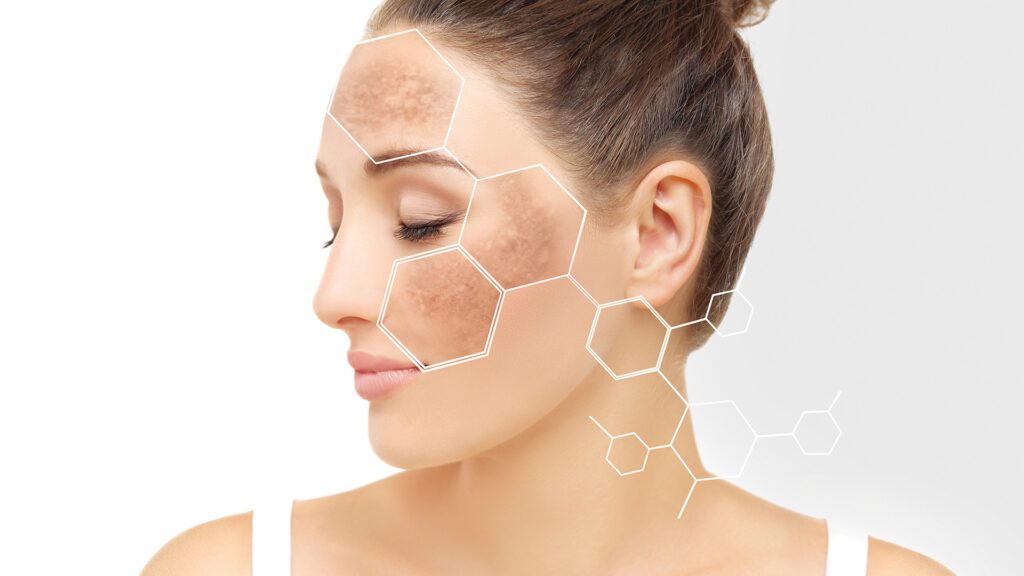
A: Hyperpigmentation is when certain areas of the skin become darker than the surrounding skin due to excess melanin production. This can be caused by sun exposure, acne, inflammation, skin trauma, medications, hormones, and other internal factors within the body.
Q: What is melasma?
A: Melasma is one of the more complex forms of hyperpigmentation. It often appears as brown or gray-brown patches on the cheeks, forehead, upper lip, or jawline. It can be triggered by sun exposure, heat, pregnancy, birth control, perimenopause, menopause, and other hormonal imbalances.
Q: Why is melasma so difficult to treat?
A: Melasma tends to be deeper and more reactive than many other forms of pigmentation. Even when the skin begins improving, triggers such as UV exposure, heat, inflammation, and hormonal fluctuations can cause it to return. That is why treatment requires patience, consistency, and a careful corrective approach.
Q: What is the best way to treat pigmentation and melasma?
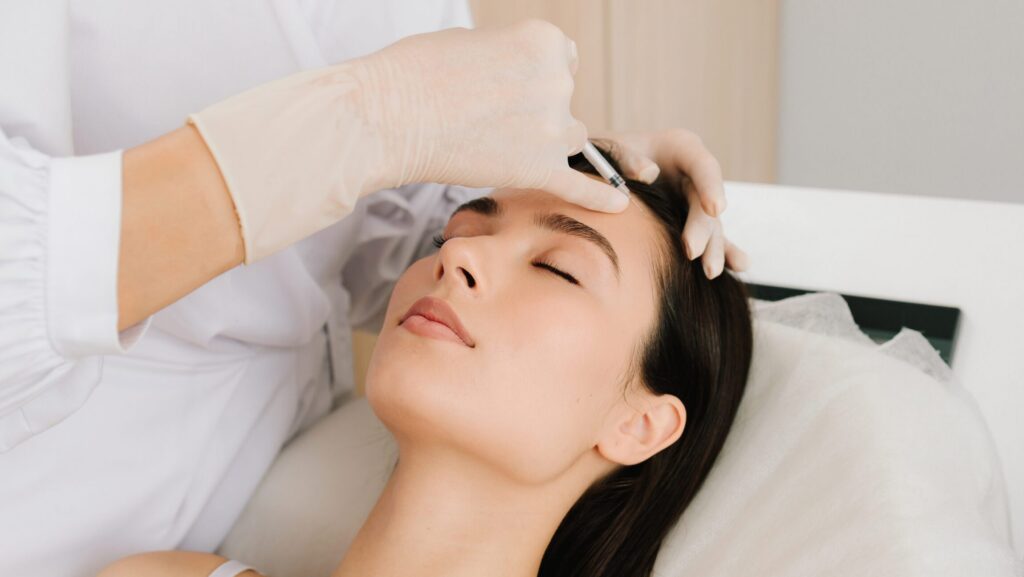
A: The first step is always a proper consultation to determine the type of pigmentation and identify possible triggers. Every client’s skin is unique, so treatment plans should be customized. Depending on the skin, treatment may include professional skincare, corrective facials, customized chemical peels, brightening ingredients, and a consistent homecare routine.
Q: Is sunscreen really that important?
A: Absolutely. Daily sunscreen is one of the most important parts of treating and maintaining pigmentation concerns. Even small amounts of sun and heat exposure can stimulate melanin production and cause pigmentation to darken again.
Q: Can internal factors affect the skin?
A: Yes. Hormonal changes, inflammation, medications, stress, and overall skin health can all play a role in pigmentation concerns. This is why it is important to look at the skin carefully and create a treatment plan that addresses both triggers and skin condition.
Q: How long does it take to see improvement?
A: Pigmentation takes time, patience, and consistency. Some clients may begin seeing improvement within a few weeks, while deeper pigmentation and melasma can take several months to improve. The goal is always to improve the skin safely while maintaining healthy, long-term results.
Q: What is your personal approach to treating pigmentation?
A: My approach is focused on education, customization, and skin health. I believe in combining corrective treatments with professional guidance, barrier support, and realistic expectations. My goal is to help clients feel confident in their skin while creating healthy, lasting improvements over time.
YOU Aesthetics is located at 4805 Main Street in Yorba Linda. To learn more or book a consultation, please visit www.YOUaesthetics.com or call 714.779.5700.
Any content, resident submissions, guest columns, advertisements, and advertorials are not necessarily endorsed by or represent the views of Best Version Media LLC (BVM) or any municipality, homeowners associations, businesses, or organizations that this publication serves. BVM is not responsible for the reliability, suitability, or timeliness of any content submitted, inclusive of materials generated or composed through artificial intelligence (AI). All content submitted is done so at the sole discretion of the submitting party.