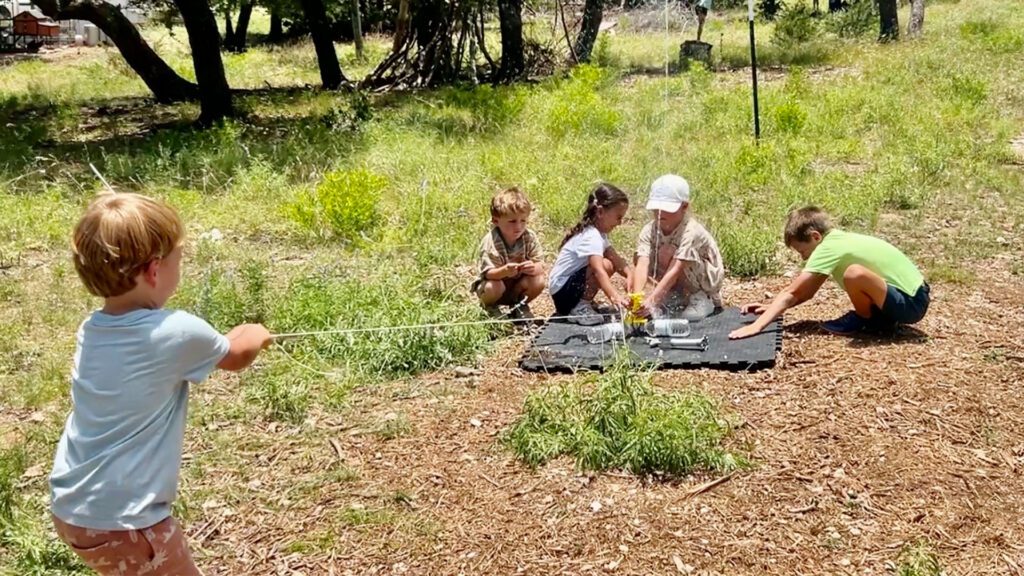
Ask a group of parents what they want for their children, and you’ll hear remarkably similar answers. They want their children to be happy. They want them to be capable, confident, healthy, responsible, and successful. They want them to build meaningful relationships, find purposeful work, and contribute positively to the world around them
Very few parents would say their goal is simply to raise a child who earns good grades.
Yet much of our conversation about education quickly narrows to academics. We discuss test scores, report cards, grade levels, curriculum, and college admissions as though these are the primary measures of success. While these things certainly matter, they are not the destination. They are merely checkpoints along the way. This raises an important question. If education is not ultimately about grades, then what is it for?
I would suggest that the purpose of education is not to produce students. It is to produce adults. That distinction may seem subtle, but it changes everything. When the goal is producing students, we naturally focus on compliance, performance, and academic achievement. We ask whether assignments are completed, whether tests are passed, and whether benchmarks are met on schedule.
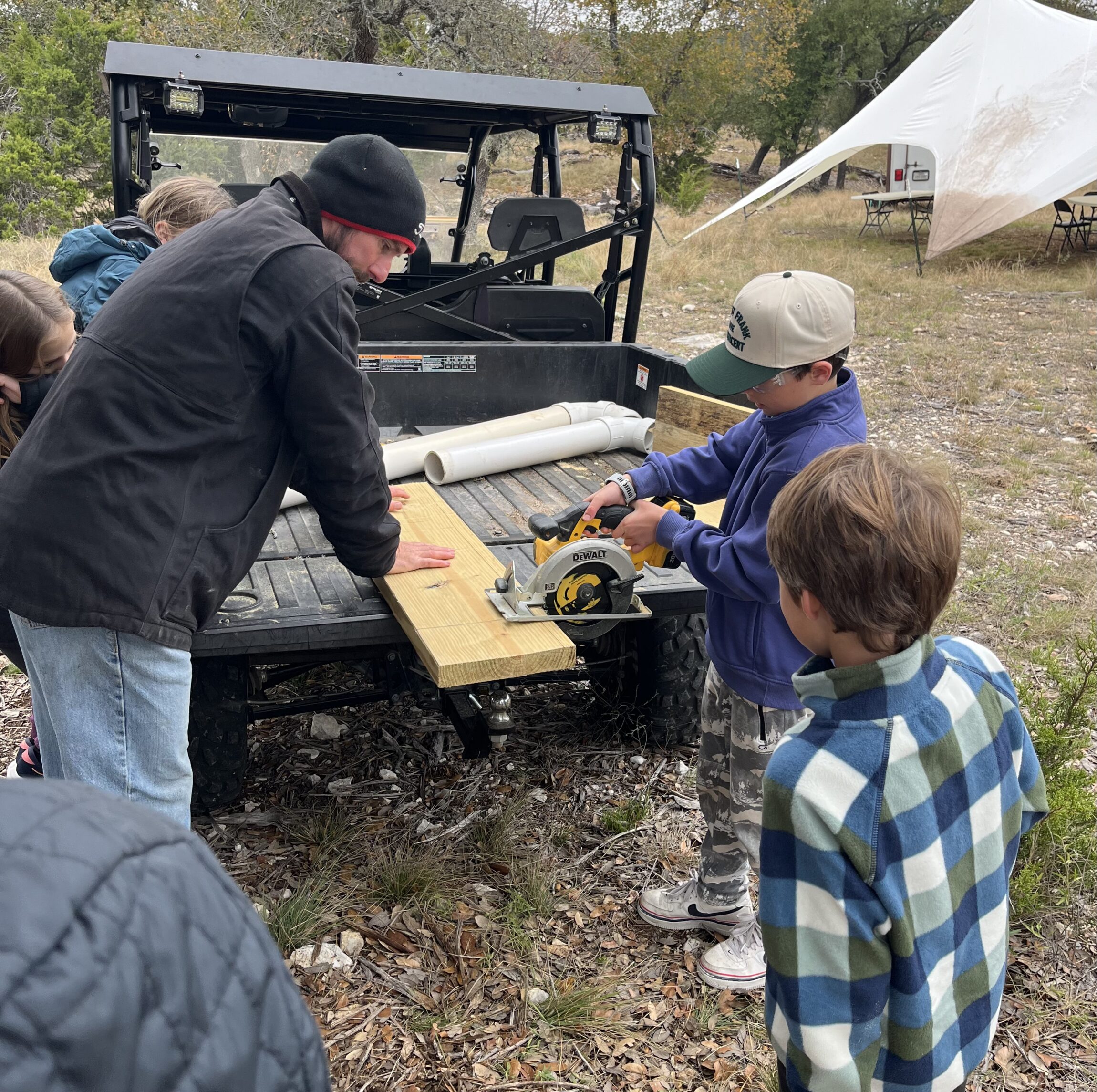
(Submitted by Chris Coker)
When the goal is producing adults, different questions emerge:
Can this young person make good decisions when no one is watching?
Can they solve problems independently?
Can they communicate clearly?
Can they handle adversity?
Can they take responsibility for their actions?
Can they continue learning long after formal schooling ends?
These questions point toward a broader understanding of education, one that extends far beyond the classroom. While schools play an important role, some of the most important education a child receives never comes from a textbook, lecture, or worksheet.
It comes from experiences.
A child learns resilience when they fail and must try again. They learn responsibility when their choices have consequences. They learn leadership when they are trusted with meaningful responsibility. They learn communication by navigating friendships, disagreements, and social friction. They learn courage by doing something difficult despite uncertainty or fear.
In many cases, these lessons leave a deeper impression than the information delivered during a lesson. Most adults cannot remember many of the worksheets they completed in elementary school. They do remember the coach who believed in them, the mistake that taught them humility, the responsibility that helped them mature, or the challenge that revealed what they could become.
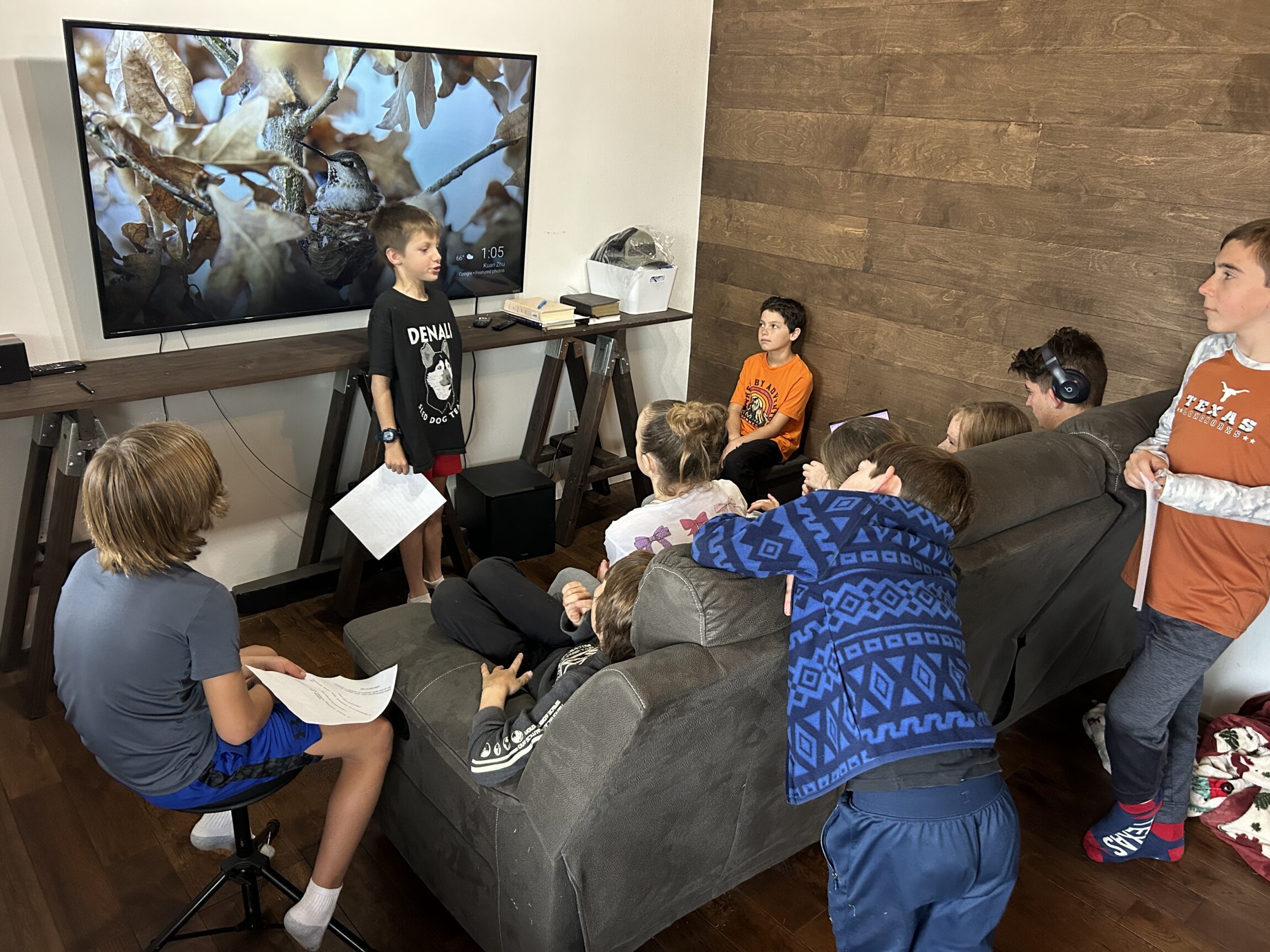
(Submitted by Chris Coker)
This is because education is not simply the transfer of information. It is the formation of a person. The classroom contributes to that process, but so do family dinners, team sports, church communities, summer jobs, friendships, travel, service projects, and countless ordinary moments that shape how a young person sees themselves and the world around them.
Children are always learning. The real question is what they are learning and whether the environments around them are intentionally developing the qualities that matter most. This realization also changes the role of adults. Parents, teachers, coaches, and mentors are often tempted to see themselves as managers of children. We create systems, schedules, incentives, and consequences designed to produce desired outcomes.
Some structure is necessary. In fact, children thrive when expectations are clear, and accountability is consistent. But education is not something we can force into another person. The most effective educators understand that their role is not simply to control behavior. Their role is to guide development. They provide structure without creating dependence. They offer support without removing responsibility. They teach, model, encourage, and challenge while gradually transferring ownership to the child.
This process is often slower than direct control. It is certainly messier. But it is also far more durable. A student who is constantly managed may perform well when supervision is present. A young person who has learned to think, choose, and act independently carries those abilities into every environment they enter. That distinction becomes increasingly important in today’s world.
For most of human history, access to information was limited. Education largely focused on helping people acquire knowledge. Today, information is abundant. Facts that once required hours of research can now be retrieved in seconds. The challenge facing the next generation is no longer access to information. The challenge is knowing what to do with it.
Can they think critically?
Can they exercise judgment?
Can they communicate effectively?
Can they adapt when circumstances change?
Can they create value for others?
Can they continue learning without someone directing every step?
These are not merely academic questions. They are life questions. And they point us back to the same conclusion. The purpose of education is not to produce students. It is to produce adults. Everything else, grades, tests, diplomas, credentials, and college admissions, should be viewed through that lens. Because long after formal schooling ends, the quality of a person’s life will be shaped less by what they memorized and more by who they became. That, ultimately, is what education is for.
Any content, resident submissions, guest columns, advertisements, and advertorials are not necessarily endorsed by or represent the views of Best Version Media LLC (BVM) or any municipality, homeowners associations, businesses, or organizations that this publication serves. BVM is not responsible for the reliability, suitability, or timeliness of any content submitted, inclusive of materials generated or composed through artificial intelligence (AI). All content submitted is done so at the sole discretion of the submitting party.