In recent years, there has been growing interest in treatments that support the body’s ability to heal itself. One approach that has received significant attention is Platelet-Rich Plasma, commonly known as PRP.
While it may sound complex, the concept behind PRP is actually quite straightforward.
Understanding the Body’s Natural Healing Process
When you experience an injury—whether it’s a cut, strain, or joint irritation—your body responds by sending healing components to the affected area.
One of the key players in this process is platelets, which are found in your blood. Platelets contain growth factors that help:
- Support tissue repair
- Reduce inflammation
- Promote healing
This is a natural process that occurs every day in the body.
What Is Platelet-Rich Plasma (PRP)?
Platelet-Rich Plasma (PRP) therapy involves concentrating these platelets and using them in a targeted way.
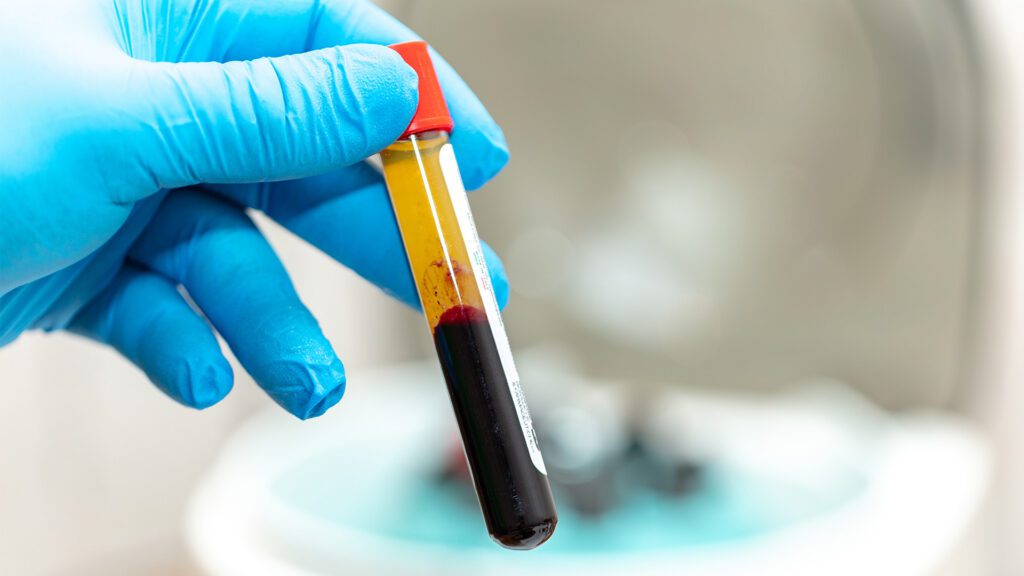
A small sample of blood is taken and processed to separate and concentrate the platelets. The goal is to create a solution that contains a higher-than-normal level of these healing components.
This concentrated plasma is then used in areas of the body that may benefit from additional support.
Why PRP Has Gained Attention
PRP is often discussed in the context of musculoskeletal conditions because of its potential to support the body’s natural repair processes.
It has been studied in relation to:
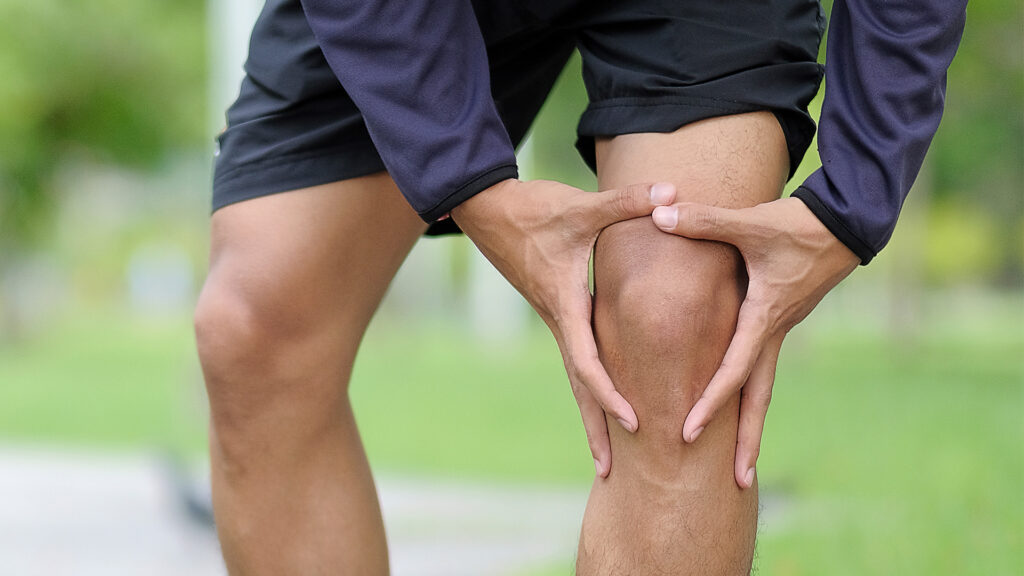
- Joint discomfort, including knees
- Tendon and ligament concerns
- Soft tissue injuries
While research is ongoing, interest continues to grow due to its focus on working with the body rather than simply masking symptoms.
A Shift in How People Think About Healing
Traditional approaches to pain often focus on reducing symptoms—such as inflammation or discomfort—through medication or rest.
While these methods can be helpful, they don’t always address underlying tissue health.
PRP represents a different perspective:
- Supporting the body’s own healing mechanisms
- Encouraging repair at a cellular level
- Focusing on function, not just symptom relief
This shift is part of a broader movement toward more natural, minimally invasive approaches.
What to Keep in Mind
As with any medical approach, PRP is not a one-size-fits-all solution.
Factors that may influence outcomes include:
- Overall health
- Severity of the condition
- Activity level
- Individual response
It’s also important to understand that results are not typically immediate. Because PRP works through natural processes, improvement—when it occurs—often develops gradually over time.
The Bottom Line
PRP is an example of how modern medicine is evolving—moving toward approaches that support the body’s natural ability to heal.
For those exploring options for joint or soft tissue concerns, understanding how these therapies work can provide valuable insight into the range of possibilities available today.
As research continues, treatments like PRP are helping reshape how we think about recovery, function, and long-term joint health.
Any content, resident submissions, guest columns, advertisements, and advertorials are not necessarily endorsed by or represent the views of Best Version Media LLC (BVM) or any municipality, homeowners associations, businesses, or organizations that this publication serves. BVM is not responsible for the reliability, suitability, or timeliness of any content submitted, inclusive of materials generated or composed through artificial intelligence (AI). All content submitted is done so at the sole discretion of the submitting party.