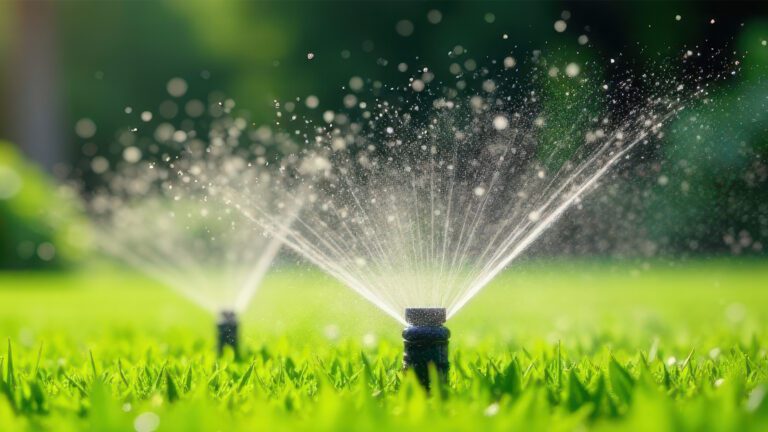
Every spring, irrigation contractors perform thousands of sprinkler system startups after months of winter dormancy. One of the biggest misconceptions homeowners have is that if their sprinkler system worked perfectly during startup, it should continue operating flawlessly for the rest of the season. Unfortunately, that’s simply not how irrigation systems work.
An Irrigation System Sleeps for Months Every Year
Unlike many household appliances that are used year-round, irrigation systems often sit completely inactive for five to seven months. During that time, they endure freezing temperatures, shifting soil, changing groundwater conditions, tree root growth, insects, electrical issues, and the natural aging of components.
When the system is first pressurized in the spring, our technicians carefully inspect it for visible leaks, broken sprinkler heads, wiring issues, valve operation, controller functionality, and proper coverage. If everything checks out, we can confidently say the system is operating properly at that moment.
However, that inspection is a snapshot in time—not a prediction of what may happen over the coming weeks and months.
Some Problems Only Reveal Themselves Through Use
Many irrigation components are much like the parts on your vehicle. Your car may pass an inspection today but still develop a mechanical problem next month simply because it continues to be driven.
The same is true for sprinkler systems.
As your irrigation system begins running several times each week throughout the hottest months of the year, components experience repeated pressure cycles, electrical loads, heat, vibration, and normal wear. This is often when hidden or developing problems begin to surface.
Examples include:
- Sprinkler heads that worked perfectly during startup but later stick, crack, leak, or stop rotating.
- Valves that initially open and close correctly but begin sticking, leaking, or failing after repeated operation.
- Controllers (timers) that function normally in the spring but later experience electrical failures or programming issues.
- Pumps that successfully prime at startup but later lose prime because of air leaks, changing water levels, worn seals, or aging check valves.
- Solenoids that begin operating intermittently.
- Wiring connections that become unreliable after moisture intrusion or seasonal ground movement.
- Pipe joints that begin leaking only after repeated expansion, contraction, and pressure cycling.
These situations do not necessarily mean something was missed during your startup. They are simply part of the normal life cycle of an irrigation system.
Irrigation Systems Are Hard-Working Equipment
An automatic sprinkler system is one of the hardest-working mechanical systems around your home. Throughout the summer, it may operate multiple times every week, opening and closing valves, activating electrical circuits, running pumps, and moving thousands of gallons of water through hundreds—or even thousands—of feet of underground piping.
Every sprinkler head contains moving parts. Every valve has rubber diaphragms and springs. Every electrical component has a service life. Eventually, wear catches up with every system.
Just because a component worked yesterday doesn’t guarantee it will work tomorrow.
Metro Lawn Sprinklers’ Tip for Protecting Your Investment
One of the best things you can do as a homeowner is run your irrigation system once a week while taking a walk around your property. Watch each zone for broken sprinkler heads, leaks, clogged nozzles, poor spray patterns, water running where it shouldn’t, or areas that aren’t getting enough coverage.
Catching a problem early can save hundreds of gallons of water, prevent high water bills, avoid costly repairs, and protect your lawn from unnecessary damage.
Any content, resident submissions, guest columns, advertisements, and advertorials are not necessarily endorsed by or represent the views of Best Version Media LLC (BVM) or any municipality, homeowners associations, businesses, or organizations that this publication serves. BVM is not responsible for the reliability, suitability, or timeliness of any content submitted, inclusive of materials generated or composed through artificial intelligence (AI). All content submitted is done so at the sole discretion of the submitting party.