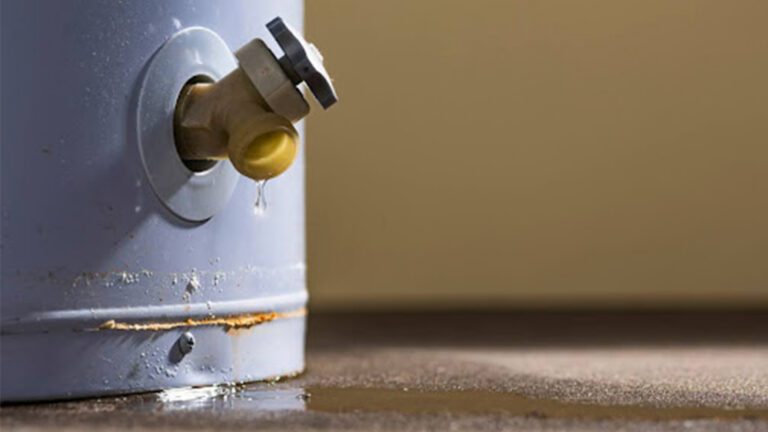
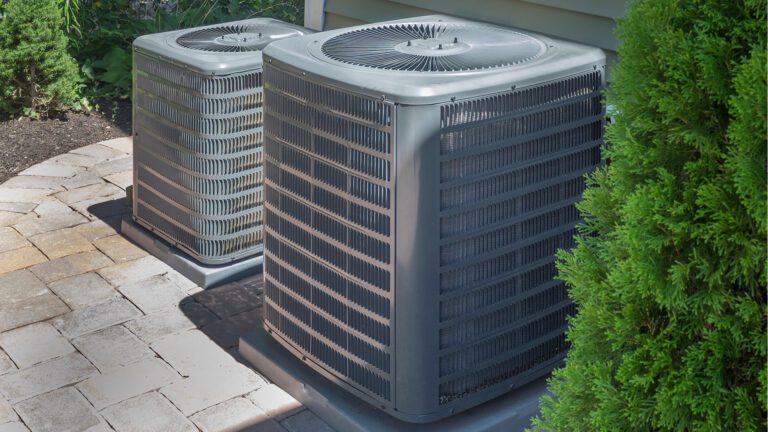
When most Central Texans think of summer, they picture the blistering heat outside and the comfort of a cool, air-conditioned home. Hot water rarely crosses anyone’s mind—after all, isn’t the water already warm? In reality, summer can be one of the hardest seasons on your water heater, and understanding why can help you avoid unexpected repairs or cold showers.
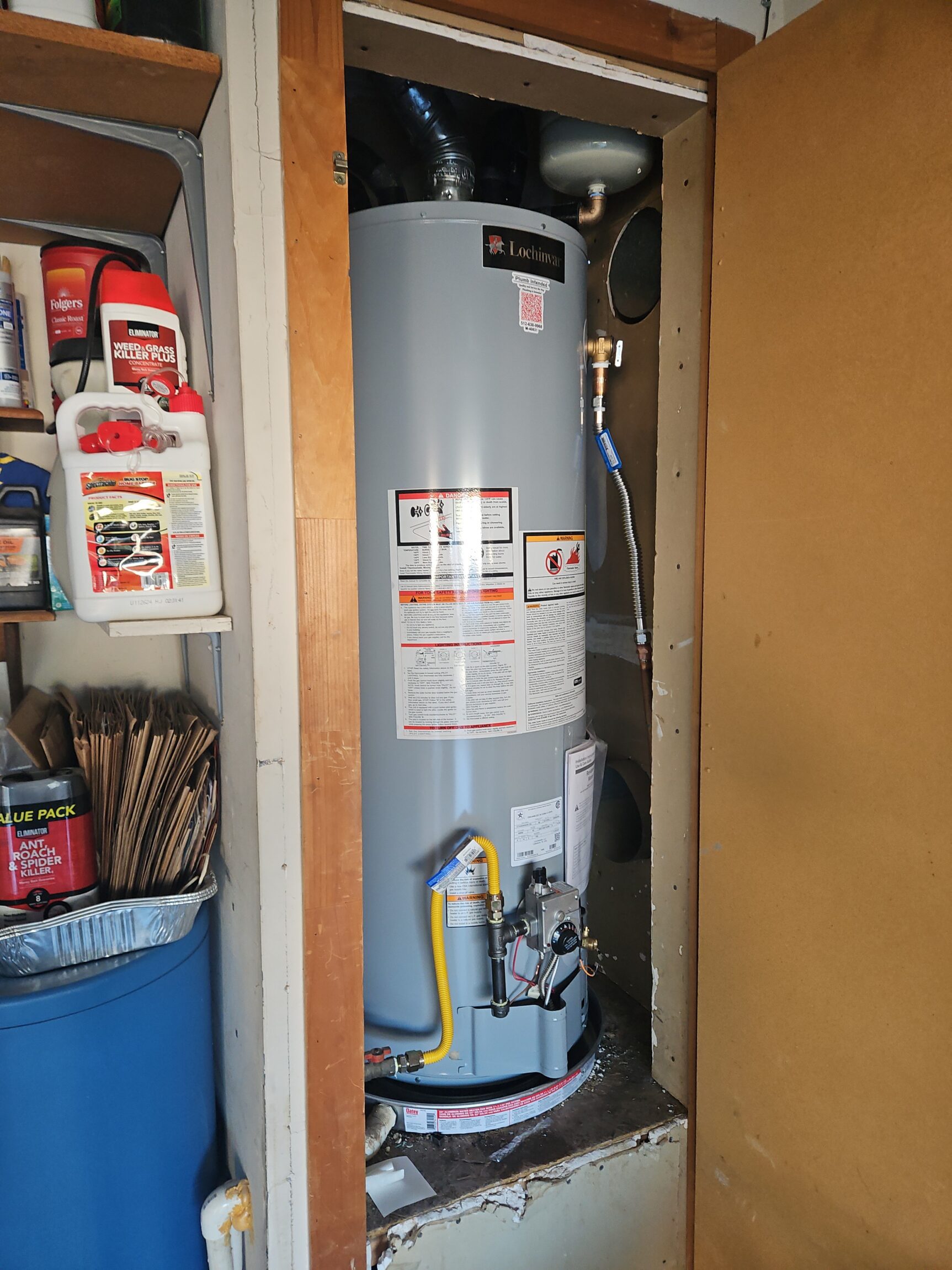
(Submitted by Plumb Intended)
The Summer Stress Test
Summer brings a surge in water use that many homeowners don’t immediately notice. Kids are home from school, guests are visiting, laundry piles grow, and showers run longer after time spent outdoors. All that extra activity means your water heater is cycling more often, with less downtime to recover.
At the same time, the higher ground temperature means the water entering your home is warmer—but that doesn’t necessarily help your system. In our area, where the water is especially hard, heat accelerates mineral separation. Calcium and magnesium settle at the bottom of the tank and harden into a crust. That sediment layer forces your heater to run longer and hotter just to reach the temperature you expect, which can create internal “hot spots” that wear the tank down from the inside.
Spotting the Early Warning Signs
The good news is that water heaters usually give you a heads-up before they fail. Here are the signs worth paying attention to during the busy summer months:
● Popping or Rumbling Sounds: A popcorn-like sound is often steam pushing through hardened sediment.
● Cloudy, Rusty, or Metallic Water: This may mean the internal anode rod is depleted and corrosion is beginning.
● Inconsistent or Slower Hot Water Recovery: If hot water runs out faster or takes longer to return, the system is struggling against buildup.
● Fluctuating Temperatures or Small Leaks: These subtle changes can signal internal wear or pressure issues developing inside the tank.
A water heater is one of those appliances most homeowners hardly think about—until it stops working. But with a little awareness and attention to early signs, you can catch small issues before they become major disruptions. In a place like Central Texas, where heat and hard water team up against your plumbing, that proactive approach makes all the difference.
Any content, resident submissions, guest columns, advertisements, and advertorials are not necessarily endorsed by or represent the views of Best Version Media LLC (BVM) or any municipality, homeowners associations, businesses, or organizations that this publication serves. BVM is not responsible for the reliability, suitability, or timeliness of any content submitted, inclusive of materials generated or composed through artificial intelligence (AI). All content submitted is done so at the sole discretion of the submitting party.