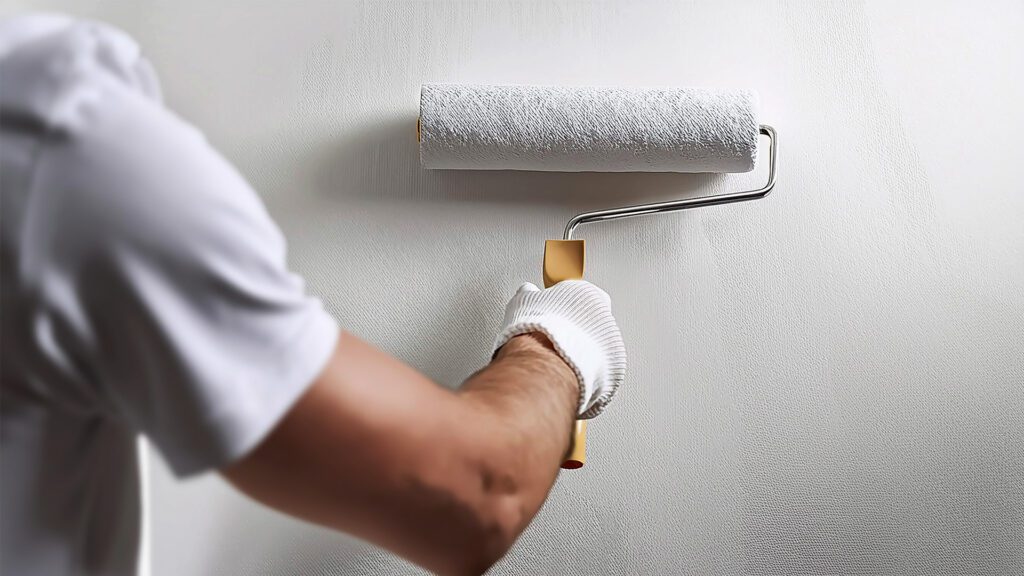
If you have recently driven through Trophy Club and noticed homes that appear faded, dusty, or washed out, you may have seen an important warning sign that we monitor closely. We call this condition “chalking,” and in North Texas, it often occurs much earlier than most homeowners expect.
The cause is our climate. Summers can cause the surface temperature of a west-facing wall to exceed what the thermometer indicates. At the same time, the UV index remains high for months. Additionally, our humidity fluctuates from bone dry to muggy and back again. This combination is tough on exterior finishes, breaking down paint from the outside in. Chalking is one of the earliest signs of this deterioration.
If you run your hand along the siding or stucco and notice a powdery residue, it’s the binders in your paint breaking down. This issue is not just cosmetic; it’s a signal from your home that the protective coating is wearing thin and needs refreshing.
The term “coating” is crucial and often overlooked. Paint serves more than just aesthetic purposes; it acts as a protective barrier. A high-quality exterior finish seals out moisture, protects your siding and stucco from harsh UV rays, and provides your home with years of defense that it wouldn’t have without it. When this barrier fails, sunlight and water can directly damage the materials beneath, leading to repair costs that far exceed those of a paint job. Investing in a fresh exterior is one of the smartest preventative measures you can take for your home.
This is also why opting for the lowest bid can often result in the most expensive choice in the long run. The real labor behind a lasting paint job isn’t just applying the topcoat; it’s everything that happens before the first gallon is applied. Proper preparation involves washing the surface clean of dirt and anything else that could prevent proper adhesion, scraping or sanding any failing areas, and spot priming bare wood. If these essential steps are skipped, the finish may look great for only one season before it starts to deteriorate.
The same principle applies to the quality of the products used. Not all exterior paints perform the same, and the difference tends to show up a few years down the road. When you receive a quote, make sure it specifically identifies the paint products being used, then do a little homework. Ask your contractor or a trusted local paint store about those products and how they hold up in our North Texas climate. While you’re at it, ask a few more questions before signing anything: Does the job come with a warranty? How long has the company been in business? What are the deposit requirements? Will a project manager be on site to supervise the work? These aren’t picky questions — they’re the difference between a reputable operation and a two-person crew that won’t be around when problems surface later.
Homeowners often overlook an important detail that is just as crucial as fresh paint: the caulk around windows, trim, and joints. Over time, old caulk loses its elasticity. It can no longer expand and contract in response to the extreme temperature changes between summer and winter. This loss of flexibility means it can no longer effectively seal the gaps it was designed to protect, allowing water to seep in. To prevent moisture issues and ensure that a cosmetic refresh doesn’t unintentionally cause structural problems, it’s essential to recaulk around windows during repainting.
If your home is beginning to chalk or fade, don’t view it simply as an aesthetic issue. Rather, see it as your home’s first line of defense, one that calls for restoration. The best time to address this is before the protective barrier is completely worn away.
Taylor Kelly, a resident of Trophy Club, owns TaylorMade Home Services, which specializes in residential painting, flooring, and remodeling. For more information, call (682)677-5614 or visit www.taylormadehomeservice.com
Any content, resident submissions, guest columns, advertisements, and advertorials are not necessarily endorsed by or represent the views of Best Version Media LLC (BVM) or any municipality, homeowners associations, businesses, or organizations that this publication serves. BVM is not responsible for the reliability, suitability, or timeliness of any content submitted, inclusive of materials generated or composed through artificial intelligence (AI). All content submitted is done so at the sole discretion of the submitting party.