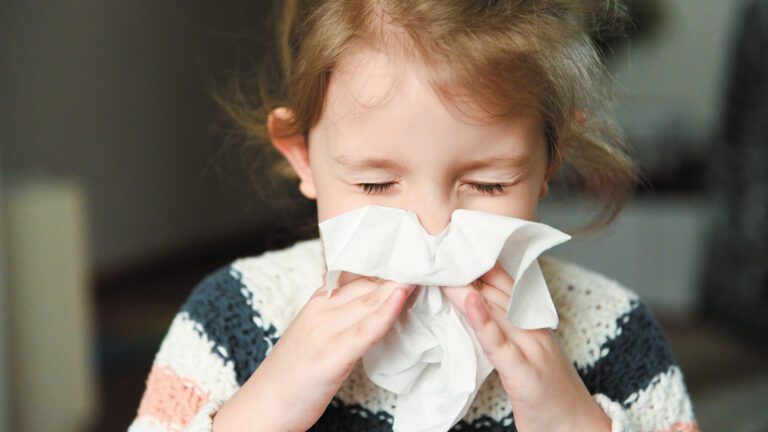
September brings new backpacks, fresh notebooks, sharpened pencils and, almost as reliably, the first wave of coughs, sneezes and runny noses. After a summer of outdoor play, children are back in close quarters with classmates, sharing not only stories but also the viruses behind the common cold.
The good news is that a few consistent habits can reduce your family’s chances of catching—and spreading—the next cold.
By the Numbers: Colds in Canada
The common cold is a leading reason for missed school and workdays. Children tend to get more colds than adults because their immune systems are still developing—and because little hands often find their way to little faces.
Cold season generally runs from September through May, often intensifying after school resumes and following the winter holidays. Avoiding every illness may be unrealistic, but everyday precautions can prevent many infections.
How to Prevent a Cold
Wash your hands. It remains one of the best defences against illness. Use soap and water for at least 20 seconds. If children rush, have them sing a favourite short song twice.
When soap and water are unavailable, use an alcohol-based hand sanitizer containing at least 60% alcohol.
Keep hands away from the face. Cold viruses can enter through the eyes, nose and mouth. Touching your face less often gives germs fewer opportunities to get in.
Be mindful of shared surfaces. Doorknobs, light switches, phones, toys and shopping cart handles are touched frequently. Wash or sanitize your hands afterward, especially before eating or touching your face.
Give sick people some space. Colds spread through respiratory droplets and close contact. When possible, keep your distance from anyone who is coughing or sneezing. If you are sick but must be in public, a well-fitting mask can help protect others.
If a Cold Has Already Arrived
Once someone is sick, the goal shifts to comfort and containment:
- Stay home from school or work until you feel well enough to return, particularly if you have a fever or significant symptoms.
- Cough or sneeze into a tissue, discard it immediately, and wash your hands. If no tissue is available, use your elbow.
- Clean frequently touched items, including doorknobs, remotes, phones, toys and bathroom surfaces.
- Consider wearing a mask around others, especially those at greater risk of serious illness.
How to Feel Better
There is no cure for the common cold. Because colds are caused by viruses rather than bacteria, antibiotics will not help and can contribute to antibiotic resistance when used unnecessarily.
A few basics can make recovery more comfortable:
- Rest. Give your body time to recover.
- Drink fluids. Water, broth and herbal tea help prevent dehydration and may ease congestion.
- Use over-the-counter remedies carefully. Pain relievers, decongestants and some cough medicines may reduce symptoms, but always follow the label. Speak with a pharmacist or physician before giving medication to a child, as several cold medicines are not recommended for young children.
When to Seek Medical Advice
Most colds improve within seven to 10 days. Contact a healthcare professional if symptoms are severe, unusual or concerning, or if you experience:
- Symptoms lasting more than 10 days without improvement
- Difficulty breathing, rapid breathing or wheezing
- A fever that lasts several days, disappears and returns, or accompanies worsening symptoms
- Signs of dehydration, unusual drowsiness or significant weakness
- A cough that is worsening or producing concerning phlegm
Seek urgent care for serious breathing difficulty, bluish lips or face, confusion, or difficulty waking.
Plan Ahead for Flu Season
Colds and influenza are not the same. The flu usually begins more suddenly and causes more severe symptoms, but many of the same hygiene habits help limit the spread of both. Alberta’s influenza immunization campaign generally begins in the fall, so watch for current provincial guidance and book vaccinations when they become available.
A cold or two may be part of the school-year experience, but illness does not have to become a weekly occurrence. Wash hands well, avoid touching the face, give sick people space and stay home when you are the one who is ill. Keep tissues, soup and a child-friendly electrolyte drink on hand, and plan ahead for seasonal vaccinations.
A little prevention in September can save a lot of tissues by November.
Any content, resident submissions, guest columns, advertisements, and advertorials are not necessarily endorsed by or represent the views of Best Version Media LLC (BVM) or any municipality, homeowners associations, businesses, or organizations that this publication serves. BVM is not responsible for the reliability, suitability, or timeliness of any content submitted, inclusive of materials generated or composed through artificial intelligence (AI). All content submitted is done so at the sole discretion of the submitting party.