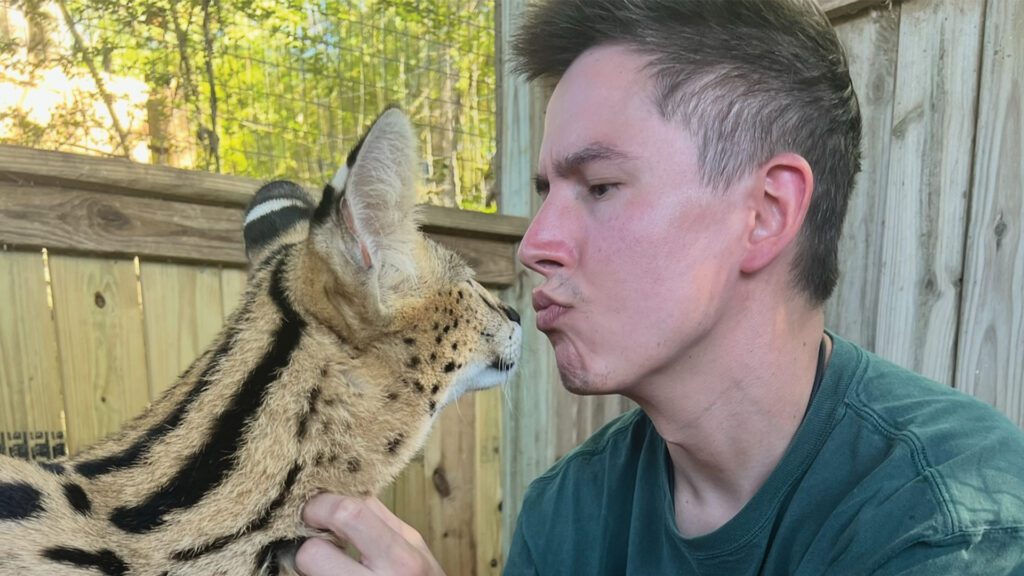
When we think of family pets, dogs playing in the yard or cats lounging on the windowsill usually come to mind. Yet, more local households are opening their doors to extraordinary companions, from colorful birds and gentle rabbits to curious reptiles and small mammals. These unique animals bring endless personality into a home, but caring for them requires a completely different approach than caring for a traditional dog or cat.
Unlike dogs and cats, exotic species are often “prey animals” in nature. This means they are instinctive experts at hiding signs of illness or discomfort until a condition is quite advanced. A slight change in a bird’s vocalization, a subtle shift in a reptile’s basking habits, or a small decline in a rabbit’s daily appetite can be the earliest warning sign of a health issue. Proper health management for non-traditional pets relies heavily on specialized daily factors:
- Tailored Nutrition: A bird’s diet requires far more than basic seed mixes, which can lead to severe long-term vitamin deficiencies.
- Environmental Control: Reptiles depend on precise UVB lighting, humidity levels, and temperature gradients to digest food and maintain strong bones.
- Preventive Screenings: Regular wellness checks help catch hidden metabolic imbalances long before physical symptoms become obvious.
Because exotic companions have such specific needs, having access to specialized veterinary knowledge makes all the difference in their long-term health and quality of life. At Harahan Veterinary Hospital, our team has expanded our resources to offer comprehensive, knowledgeable care for these extraordinary animals and our local wildlife. Dr. Jeremy Caseltine brings a dedicated focus on exotic medicine and wildlife care to our practice, helping guide our expanded services. Alongside him, Dr. Tiffany has earned her official wildlife certification to assist regional wildlife cases, while Dr. Ethan continues his long-standing dedication to smaller, non-traditional species.
Their top tips for owners this time of year? Balance habitat humidity: Central A/C strips moisture from indoors, and can cause respiratory issues in tropical pets. Monitor enclosures with digital hygrometers and micro-misters. And, plan for power outages: Storm outages endanger climate-sensitive exotics. Keep towel-wrapped heat packs for reptiles, plus battery fans and cooling pads for small mammals and birds, just in case the inevitable happens!
Whether you are balancing the humidity for a bearded dragon, seeking dietary guidance for a senior parrot, or bringing in a guinea pig for a routine wellness check, having a knowledgeable team close to home provides vital peace of mind. Exotic pets are not simply “different” pets; they are beloved family members with distinct health requirements. By pairing proper home environment care with routine, specialized veterinary oversight, you can ensure your unique companion thrives for years to come.
Any content, resident submissions, guest columns, advertisements, and advertorials are not necessarily endorsed by or represent the views of Best Version Media LLC (BVM) or any municipality, homeowners associations, businesses, or organizations that this publication serves. BVM is not responsible for the reliability, suitability, or timeliness of any content submitted, inclusive of materials generated or composed through artificial intelligence (AI). All content submitted is done so at the sole discretion of the submitting party.