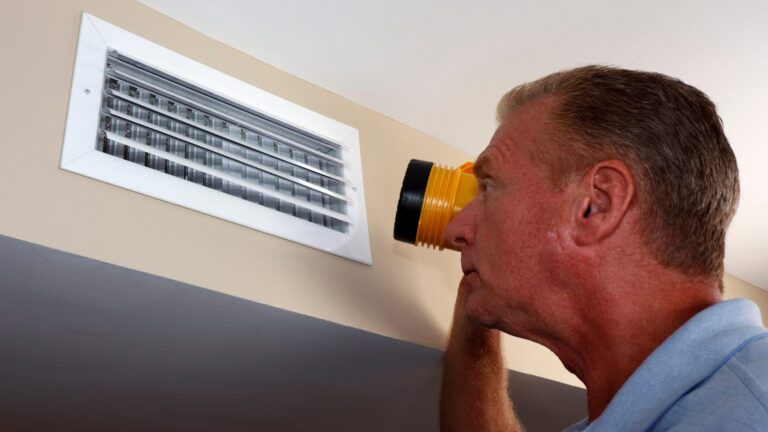
When most homeowners are thinking about their home heating and cooling equipment, it’s about keeping them cool in the summer months and warm in the winter months. But today’s HVAC system does so much more than regulate temperature. Now, more than ever, they are playing a vital role in creating and maintaining healthy indoor air quality (IAQ). This is an important factor that directly impacts your comfort, wellness and the energy efficiency of your home.
According to the EPA, Americans spend on average about 90 percent of their time indoors. That means the air quality in our homes is beginning to have a significant affect on our daily lives. Pollen, dust, pet dander, mold spores, bacteria growth, volatile organic compounds (VOCs) and other airborne pollutants develop and form inside your home. This can be accelerated when windows and doors are kept closed during extreme weather conditions.
Poor IAQ can contribute to allergies, headaches, asthma, fatigue and respiratory irritations. Individuals like children and the elderly and those with existing health conditions are particularly susceptible to airborne pollutants. Thankfully, there are several extremely effective ways to improve the quality of air that you breathe in your home.
The first and most important for today’s HVAC systems is maintenance. Replacing air filters every 30-90 days depending on the filter type, filter MERV rating and household conditions, will aid in preventing dust and contaminants from circulating in your home. Annual and semi-annual professional inspections will ensure the system is operating at peak efficiency while also identifying issues that are causing poor airflow and/or poor indoor air quality.
Homeowners are also investing in higher-efficiency filtration systems. Filters with a higher MERV rating can capture significantly more airborne contaminants than a standard 30 day fiberglass filter, while helping to reduce the allergens and contaminants in the home. When choosing an air filter, it’s very important to choose a filter that is compatible with your system to maintain proper airflow.
The ability to control humidity is another essential component of indoor air quality. Any excess moisture can encourage mold to grow as well as creating an environment for dust mites. Air that is too dry can cause dry skin, irritate your nose and sinuses and cause static electricity in your home. A whole-home humidifier and dehumidifiers can work with your HVAC system to maintain a more balanced indoor humidity level year round.
Homes with allergy sufferers, pets, or households that have concerns about viruses and bacteria can take advantage of additional air purification devices that can provide even greater protection. Whole-home air purifiers, UV lights and electrostatic air cleaners can significantly aid in improving indoor air quality. These systems can operate year round to greatly improve the air quality in your home for every season.
Modern homes are built to be more energy efficient, which in turn means they are more tightly sealed than older homes. This may help in reducing energy consumption but it can also trap indoor pollutants and contaminants. Ventilation is playing a bigger role in modern home construction. Mechanical ventilation systems bring fresh air into the home while removing stale air. This creates a healthier environment for your household.
Improving your indoor air quality does not always mean a complete system replacement. A lot of times a combination of regular maintenance, quality filter system, humidity management and a targeted air purification system can greatly change your comfort and health.
As homeowners continue to invest in healthier living environments, indoor air quality has become one of the most valuable services an HVAC professional can provide. Clean air isn’t a luxury, it’s a necessity. It’s an essential part of creating an efficient, comfortable, and healthy home for every season.
Any content, resident submissions, guest columns, advertisements, and advertorials are not necessarily endorsed by or represent the views of Best Version Media LLC (BVM) or any municipality, homeowners associations, businesses, or organizations that this publication serves. BVM is not responsible for the reliability, suitability, or timeliness of any content submitted, inclusive of materials generated or composed through artificial intelligence (AI). All content submitted is done so at the sole discretion of the submitting party.