Design for longevity and wellness has become a defining principle in high‑end residential architecture and interiors. Today’s luxury homeowners are seeking more than visual sophistication; they want homes that support physical health, emotional well-being, sustainability and adaptability over time. A thoughtfully designed residence is no longer judged solely by aesthetics or scale, but by how well it enhances daily life for years to come.
At the core of longevity‑focused design is the idea that a home should evolve with its occupants.
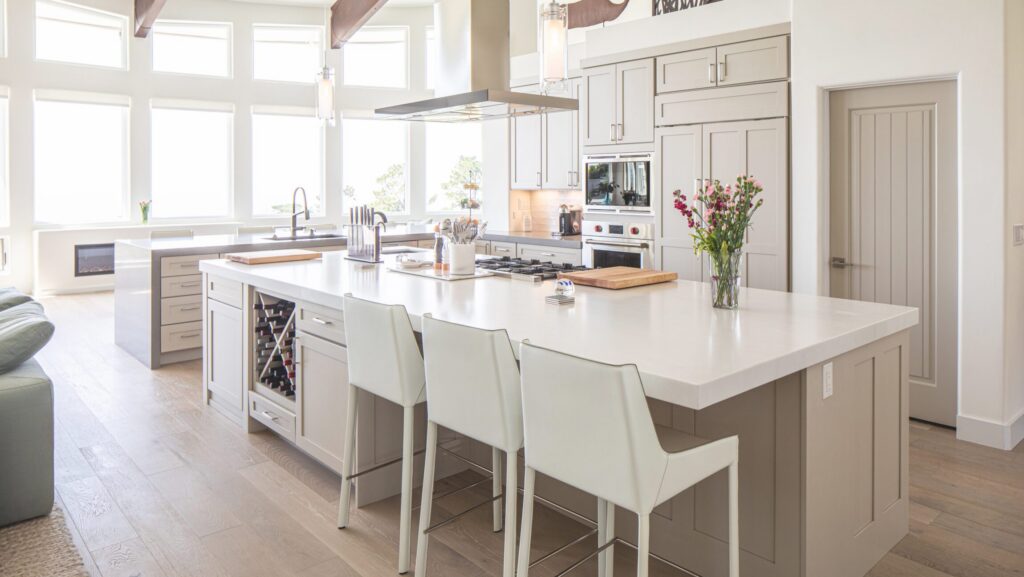
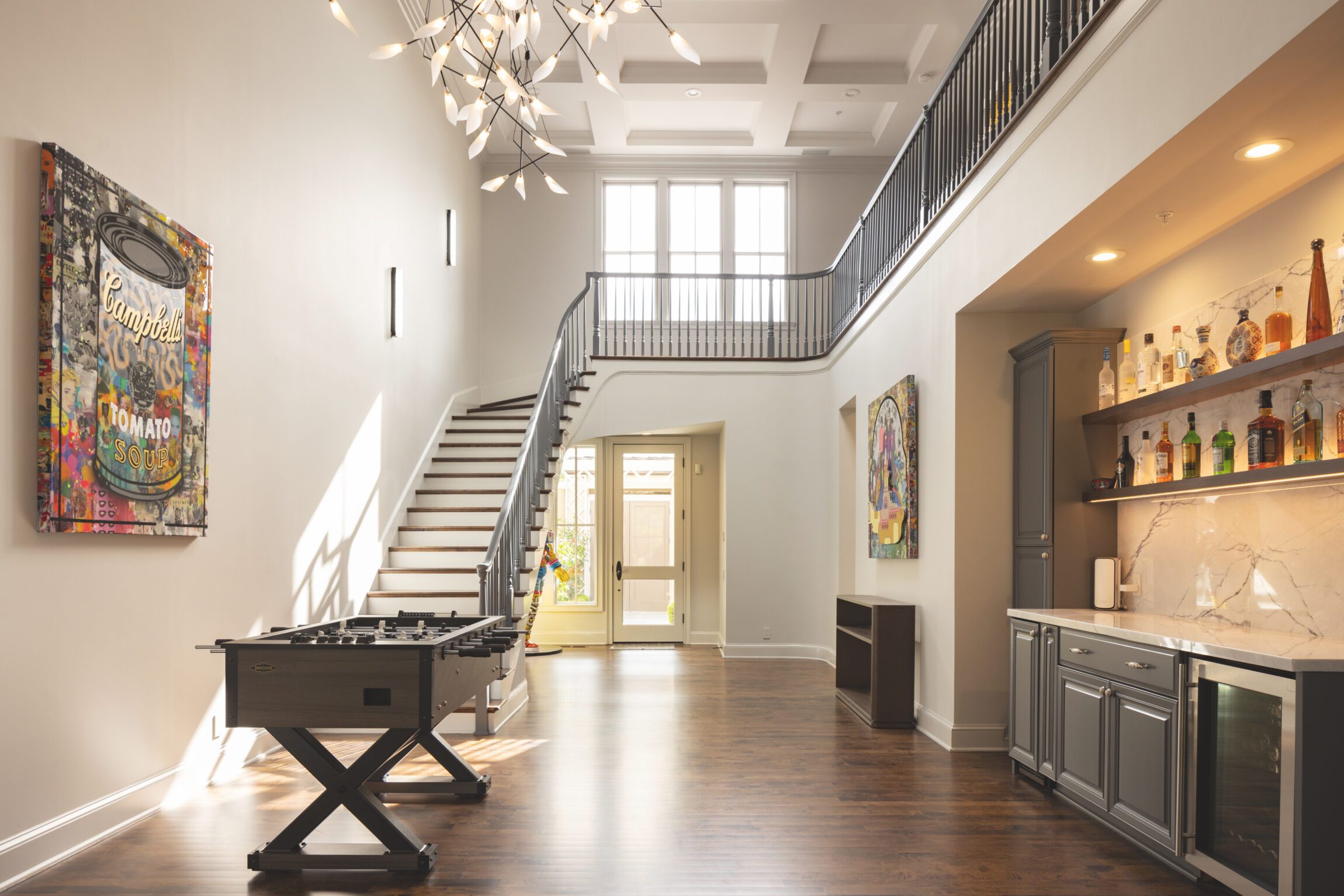
Rather than chasing trends that quickly become dated, luxury residences are increasingly embracing timeless architecture, durable materials and flexible layouts. Natural stone, solid wood, handcrafted finishes and high-performance materials offer both elegance and endurance. These elements age gracefully, acquiring character rather than wear, while reducing the need for frequent renovations.
Submitted photo
Spatial planning also plays a critical role in designing for longevity.
Open yet intentional floor plans create seamless circulation while allowing spaces to adapt to changing family dynamics and lifestyles. Homes are being designed with future needs in mind, incorporating features such as discreet accessibility, main‑level primary suites, wider hallways and adaptable guest accommodations. These considerations allow homeowners to age comfortably in place without compromising the sophistication of the design.
Wellness‑centered design extends beyond functionality and into the sensory experience of the home.
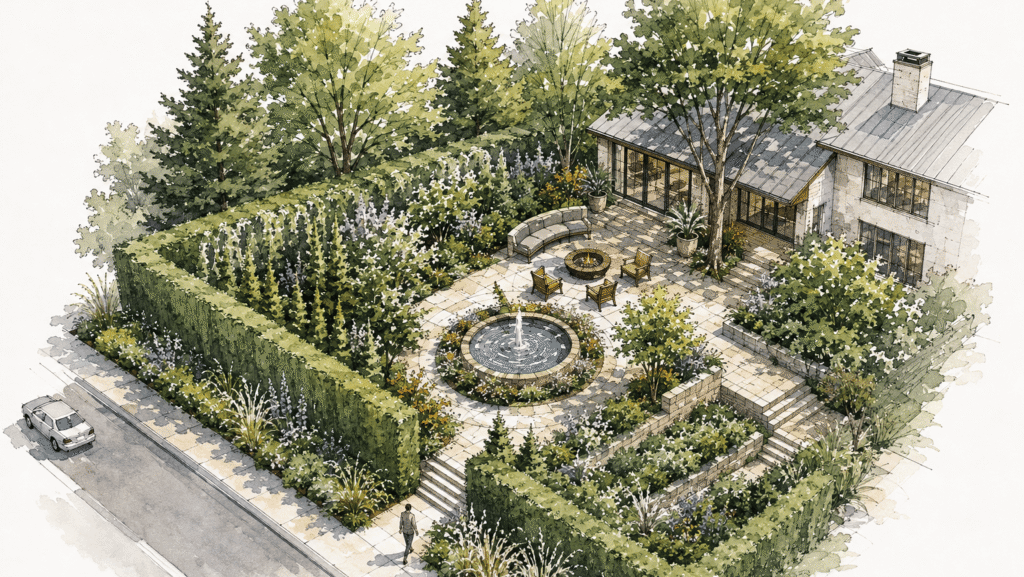
Natural light is one of the most powerful tools in creating healthier environments. Expansive windows, skylights and carefully oriented layouts maximize daylight exposure, supporting circadian rhythms, mood regulation and overall mental health. Luxury homes increasingly blur the boundary between indoors and outdoors through retractable walls, courtyards, terraces and gardens that foster a stronger connection to nature.
Air and water quality have also become central to modern residential design.
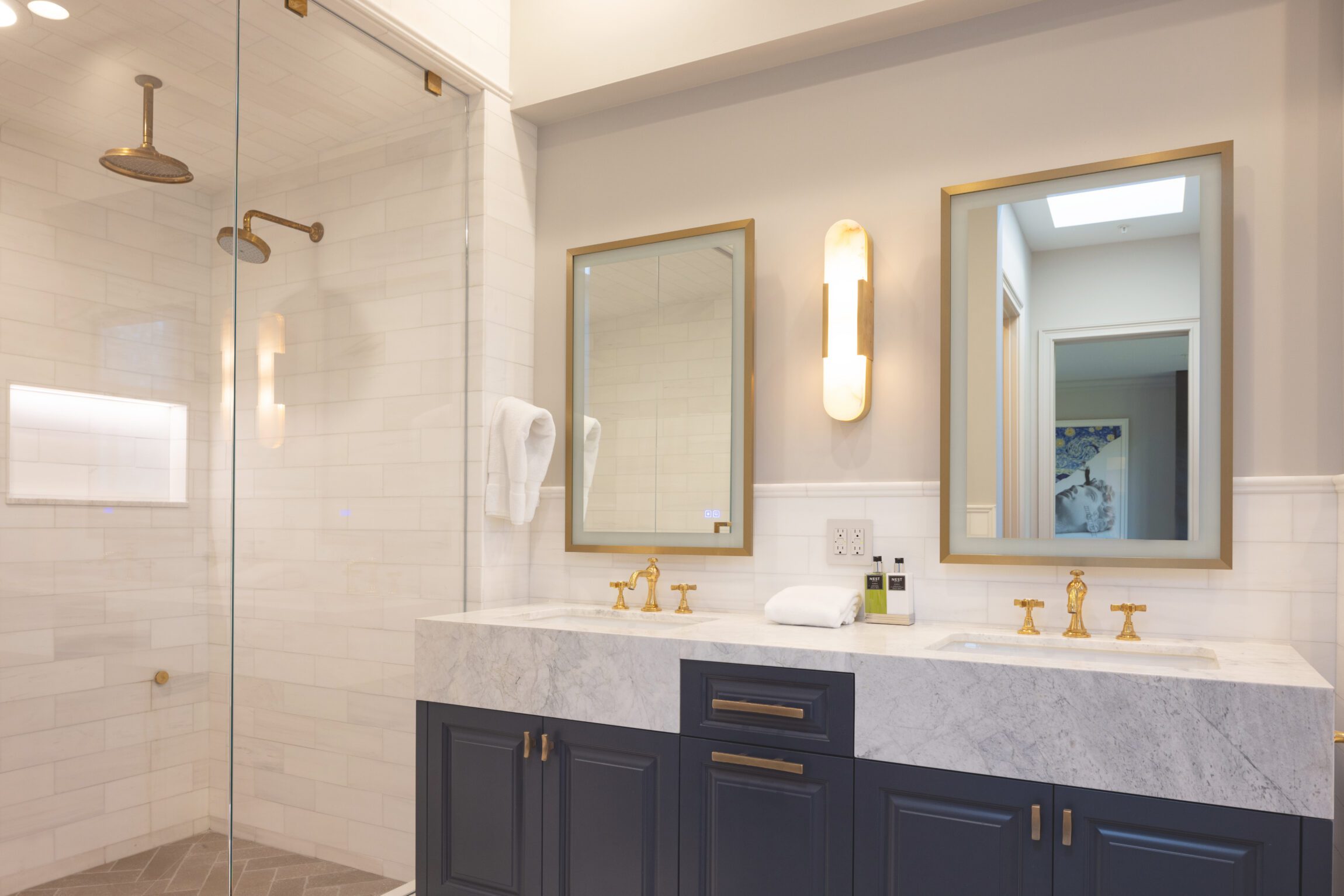
Advanced filtration systems, nontoxic building materials and low‑VOC finishes contribute to healthier indoor environments. In high‑end homes, wellness amenities are evolving far beyond the traditional gym or spa. Dedicated wellness suites may include infrared saunas, cold plunge pools, meditation spaces, salt therapy rooms and biophilic design elements that reduce stress and promote restoration.
Submitted photo
Biophilic design, the integration of natural elements into architecture and interiors, has become particularly influential in luxury residential projects.
Organic materials, indoor greenery, water features and natural textures create environments that feel calm, grounded and restorative. Research consistently shows that exposure to natural elements can lower stress levels, improve cognitive function and enhance emotional well‑being. In luxury homes, these principles are executed with refinement and subtlety, resulting in spaces that feel both elevated and deeply comfortable.
Technology also supports longevity and wellness when integrated thoughtfully.
Smart home systems can monitor lighting, climate, air quality and energy consumption while adapting to occupants’ routines. The most successful luxury residences use technology discreetly, allowing convenience without overwhelming the sensory experience. Wellness technology is increasingly integrated into lighting systems that mimic natural daylight patterns, sleep-enhancing bedroom environments and climate systems that maintain ideal climate levels year-round.
Sustainability remains inseparable from long-term wellness and resilience.
High‑end residential clients are increasingly prioritizing energy efficiency, passive design strategies and environmentally responsible construction practices. Solar integration, geothermal systems, high‑performance insulation and water conservation technologies are no longer niche features, but essential components of modern luxury living. Sustainable design not only reduces environmental impact but also creates healthier, more efficient homes that retain long‑term value.
Ultimately, designing for longevity and wellness is about creating homes that endure both physically and emotionally.
A truly exceptional residence should provide comfort, inspiration and resilience across generations. It should support the rhythms of everyday life while offering moments of retreat, restoration and connection. In the luxury residential market, timelessness is becoming the ultimate expression of sophistication.
As expectations for luxury living continue to evolve, the most successful residential designs will be those that balance beauty, performance, wellness and adaptability. These homes are not simply built to impress; they are designed to nurture and endure.
Any content, resident submissions, guest columns, advertisements, and advertorials are not necessarily endorsed by or represent the views of Best Version Media LLC (BVM) or any municipality, homeowners associations, businesses, or organizations that this publication serves. BVM is not responsible for the reliability, suitability, or timeliness of any content submitted, inclusive of materials generated or composed through artificial intelligence (AI). All content submitted is done so at the sole discretion of the submitting party.