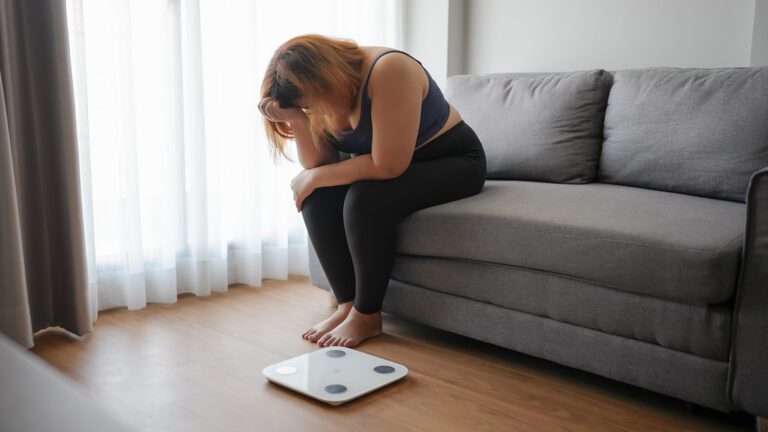
For most of my adult life, I believed the same thing many of us have been taught: if you eat less, exercise more, and have enough willpower, you’ll lose weight. It had always worked for me before. If I gained a few pounds, I cleaned up my diet, spent a little extra time at the gym, and everything balanced back out.
Then I had children. I had my first daughter in my late thirties, followed by twin girls a few years later. Between raising three young daughters, running a business, and juggling the stress that comes with both, my body simply wasn’t the same. I assumed the baby weight would eventually come off, but after six years of dieting, calorie counting, and exercising, it never did.
It wasn’t just about the number on the scale. It was about looking in the mirror and not recognizing myself anymore. I wanted to feel healthy, energetic, and confident again, but after years of doing everything “right,” I had started to wonder if that version of me was simply gone. The frustrating part was that I wasn’t looking for a shortcut. I was doing everything I was supposed to do. My bloodwork was “normal.” My hormones were technically within the normal range. Yet despite living in a perpetual calorie deficit, the scale barely moved.
That’s why I’ve become skeptical of reducing weight loss to “calories in, calories out.” While that principle is scientifically true, it doesn’t account for the many factors that influence how our bodies regulate weight. Hormonal changes, aging, chronic stress, poor sleep, insulin resistance, and metabolic adaptation can make losing weight far more complicated than simply eating less. Eventually I began researching GLP-1 medications. They work by mimicking a hormone our bodies naturally produce that helps regulate appetite, slow stomach emptying, and improve feelings of fullness.
For me, it wasn’t that I suddenly developed incredible willpower. For the first time in years, I wasn’t fighting my own body every minute of the day. I started on a brand-name medication, and for the first time in years, I felt like I had finally found something that worked. The weight started coming off, and I began to feel like myself again. Then reality hit. After just three months, my insurance stopped covering the medication, the manufacturer’s savings program ended, and continuing treatment would have cost me well over $1,500 a month. Like many people, that simply wasn’t an option. That’s when I learned about compounded semaglutide. For me, it made continued treatment financially possible and allowed me to maintain the healthier lifestyle I had worked so hard to achieve. It also made me realize how many people find themselves in the same position: they qualify for treatment, they respond well to it, but they simply can’t afford the brand-name medications once insurance coverage ends. One unexpected result of my own experience was that it changed the direction of my business.
Like many people, I initially obtained my prescription through an online provider. The process was surprisingly impersonal. After a brief consultation that lasted only a few minutes, my prescription was approved, and that was essentially the end of the relationship. There was little discussion about nutrition, exercise, side effects, long-term expectations, or whether the medication remained the right choice as my body changed. As someone who has spent my career helping people improve their health and confidence, I couldn’t help thinking there had to be a better way. That’s ultimately why I decided to offer GLP-1 therapy in my clinic. Not because I wanted to sell another service, but because I wanted to create the kind of experience I wish I had as a patient.
I wanted people to have access to an experienced medical provider who takes the time to understand their health history, answers questions, adjusts treatment when necessary, and provides ongoing support instead of a five-minute phone call and an automated refill. Whether someone chooses to work with us, their primary care physician, or another qualified provider doesn’t matter nearly as much as making sure they’re receiving appropriate medical care. GLP-1 medications are powerful tools, and they should be prescribed thoughtfully, monitored carefully, and paired with realistic expectations and healthy lifestyle changes. I believe patients deserve more than a prescription. They deserve a partner in their journey.
One question I hear frequently is whether compounded medications are safe. The answer is that they can be when they are prescribed appropriately and prepared by reputable, licensed compounding pharmacies. They are not FDA-approved in the same way commercially manufactured medications are, so it’s important to work with a qualified healthcare provider who uses trusted pharmacy partners and determines whether treatment is appropriate for your individual medical history. GLP-1 medications are also not intended for everyone. They were developed for people with obesity or those who are overweight and have weight-related medical conditions, generally a BMI of 30 or higher, or a BMI of 27 or higher with conditions such as high blood pressure, high cholesterol, sleep apnea, or prediabetes. They are not intended for someone hoping to lose a few pounds before a vacation. Like any medication, they can cause side effects, most commonly nausea, constipation, diarrhea, heartburn, and fatigue, although many people find these improve as the dosage is increased gradually. I understand why these medications have become controversial. There is still a belief that if someone needs medical help to lose weight, they simply aren’t trying hard enough. I used to wonder that myself. But after spending six years doing all the “right” things without success, I’ve learned that weight management is far more complex than willpower alone.
GLP-1s aren’t magic, and they aren’t a replacement for healthy eating or regular exercise. They are simply another medical tool that helps address the biology behind obesity. For the right person, they can make healthy habits sustainable instead of feeling like an endless uphill battle. My hope isn’t to convince everyone that a GLP-1 is the answer. It’s simply to encourage people who have struggled despite their best efforts to have an honest conversation with a qualified healthcare provider. If you’re wondering whether you’re a candidate, the question isn’t whether you’ve failed. The question is whether your body might benefit from a different approach. For me, that conversation changed my life.
Any content, resident submissions, guest columns, advertisements, and advertorials are not necessarily endorsed by or represent the views of Best Version Media LLC (BVM) or any municipality, homeowners associations, businesses, or organizations that this publication serves. BVM is not responsible for the reliability, suitability, or timeliness of any content submitted, inclusive of materials generated or composed through artificial intelligence (AI). All content submitted is done so at the sole discretion of the submitting party.