When most people think about visiting their doctor, it’s because they’re feeling sick. However, some of the most valuable healthcare happens when you feel completely well. Preventive care focuses on identifying potential health concerns early—often before symptoms develop—allowing you to stay healthier and avoid more serious problems down the road.
Many common conditions, including high blood pressure, diabetes, high cholesterol, osteoporosis, and even certain cancers, can develop silently over many years. By the time symptoms appear, these conditions may already have caused damage. That’s why routine wellness visits and recommended health screenings are so important. Early detection not only improves outcomes but often leads to simpler, less invasive, and more cost-effective treatment.
An annual preventive visit is much more than a quick physical exam. It’s an opportunity to review your medical history, family history, medications, lifestyle habits, nutrition, exercise, sleep, stress levels, and mental health. It’s also the ideal time to discuss vaccinations and determine which screenings are appropriate based on your age, sex, and personal risk factors. Preventive medicine is personalized because no two patients have the same health history or goals.
One aspect of preventive care that many people don’t realize is how much can be accomplished during a single visit. Modern primary care allows physicians to evaluate multiple aspects of a patient’s health without requiring several appointments at different locations. At Family Health Primary Care, for example, many components of a preventive evaluation—including laboratory testing, electrocardiograms (EKGs), spirometry (lung function testing), phlebotomy, and other commonly needed diagnostic services—can often be completed in the office. Having these resources available during the visit can make preventive care more efficient and help reduce delays in diagnosis, allowing patients to complete recommended testing while the conversation is still fresh.
Preventive care also extends beyond tests and screenings. Everyday habits have a tremendous impact on long-term health. Maintaining a healthy weight, exercising regularly, eating a balanced diet, getting adequate sleep, managing stress, avoiding tobacco, limiting alcohol, and staying current on recommended immunizations all contribute to reducing the risk of chronic disease. Even small, sustainable lifestyle changes can produce meaningful improvements over time.
One of the most common things I hear from patients is, “I feel fine, so I don’t think I need to come in.” Unfortunately, many of the conditions we work hardest to prevent don’t cause noticeable symptoms until they’re well advanced. High blood pressure is often called the “silent killer” for a reason, and elevated cholesterol or early diabetes may go completely unnoticed without routine screening. Feeling well is wonderful—but it isn’t always the same as being healthy.
Preventive care is ultimately about investing in your future. A yearly visit provides the opportunity to identify risks early, answer questions, establish health goals, and build a long-term partnership with your primary care physician. The goal isn’t simply to treat illness when it happens, but to help you maintain your health, independence, and quality of life for years to come. Sometimes the best medicine isn’t a prescription at all—it’s taking the time to prevent disease before it has the chance to begin.
About the Author
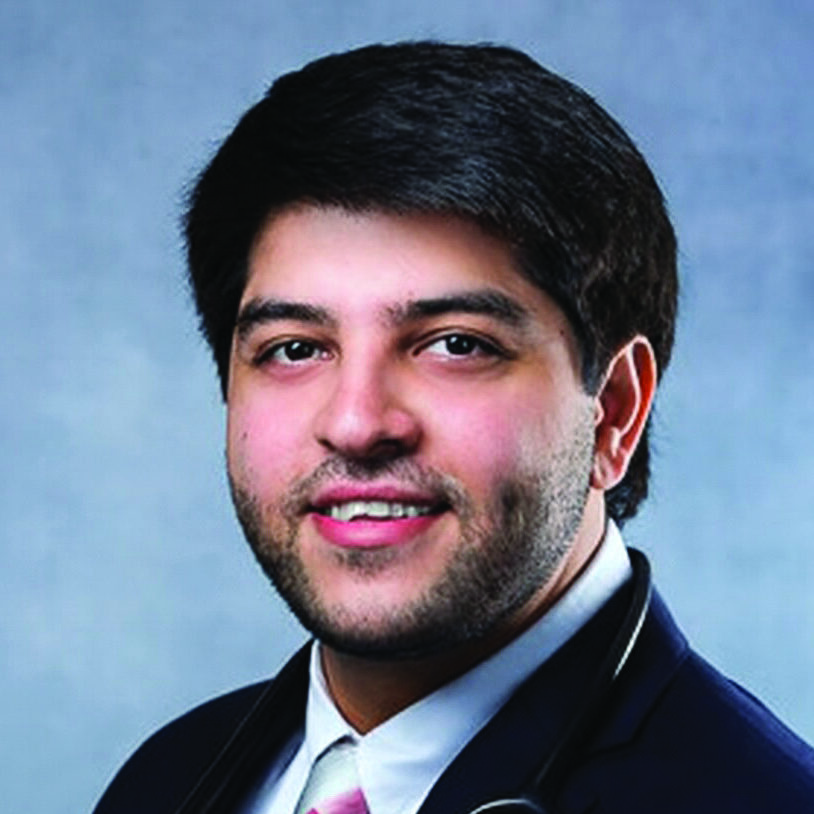
Dr. Fares Hosseinzadeh is a board-certified family medicine physician at Family Health Primary Care. He is passionate about preventive medicine, chronic disease management, and helping patients make informed decisions that support lifelong health.
Any content, resident submissions, guest columns, advertisements, and advertorials are not necessarily endorsed by or represent the views of Best Version Media LLC (BVM) or any municipality, homeowners associations, businesses, or organizations that this publication serves. BVM is not responsible for the reliability, suitability, or timeliness of any content submitted, inclusive of materials generated or composed through artificial intelligence (AI). All content submitted is done so at the sole discretion of the submitting party.