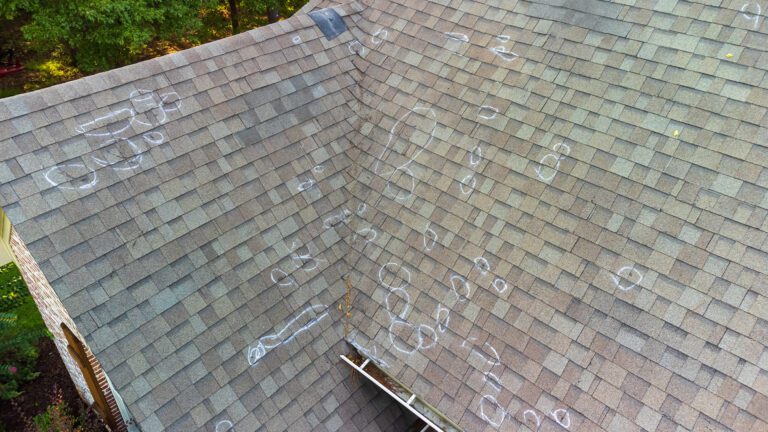
If you are a homeowner in Colorado, your roof is more than protection from the elements—it is one of your largest financial investments. Between hailstorms, high winds, heavy snow, and intense sun, Colorado roofs take constant abuse. Understanding how to maintain your roof and how insurance responds when damage occurs can save homeowners significant money and stress. Colorado consistently ranks among the top states in the nation for hail claims, earning the nickname “Hail Alley.” Along the Front Range, hailstorms are frequent and often severe. Because of this elevated risk, roof damage is one of the most common homeowners’ claims filed in our state.
Why Roof Insurance Is Changing
Due to increasing claim frequency and rising construction costs, insurance carriers are adjusting how roof claims are handled. One major trend is moving toward percentage-based hail and wind deductibles, commonly one to two percent of the home’s insured value. On a $500,000 home, a two percent deductible means the homeowner pays the first $10,000 of a hail claim. Many homeowners do not realize this until after a storm, which is why reviewing your policy before hail season is critical.
Replacement Cost vs. Depreciation
Another common surprise during roof claims is how payments are calculated. Roofs are typically settled under either Replacement Cost Value or Actual Cash Value coverage. Replacement Cost coverage pays what it costs to replace the roof with new materials, but insurers usually issue an initial payment based on depreciation. The remaining amount is released once repairs are completed. Actual Cash Value coverage factors in age and wear, which can significantly reduce the payout on an older roof.
Why Inspections Matter—A Real-Life Example
This past fall, I accepted an offer from one of my trusted roofing partners to inspect my own roof. I fully expected to hear everything looked great. Instead, I learned my solar installers had previously moved panel locations and filled the old mounting holes with silicone. Silicone typically only lasts a couple of years, meaning I had open holes in several shingles. Even more concerning, a piece of chimney flashing had not been properly secured and had fallen away, leaving a two-inch opening directly into my attic. There were no visible leaks yet, but it was only a matter of time.
How to Extend the Life of Your Roof
Homeowners can take simple steps to protect their roofs: schedule annual and post-storm inspections, keep gutters and downspouts clean, trim overhanging tree branches, and maintain photos and records of the roof condition. Preventative maintenance not only extends roof life, it strengthens your position during an insurance claim.
Final Thoughts and Call to Action
In Colorado, roof maintenance and insurance knowledge go hand in hand. If you have questions about your coverage, deductibles, or roof condition—or would like an inspection from one of my trusted roofing partners—I encourage you to call me directly. A short conversation today can prevent costly surprises tomorrow.
Any content, resident submissions, guest columns, advertisements, and advertorials are not necessarily endorsed by or represent the views of Best Version Media LLC (BVM) or any municipality, homeowners associations, businesses, or organizations that this publication serves. BVM is not responsible for the reliability, suitability, or timeliness of any content submitted, inclusive of materials generated or composed through artificial intelligence (AI). All content submitted is done so at the sole discretion of the submitting party.