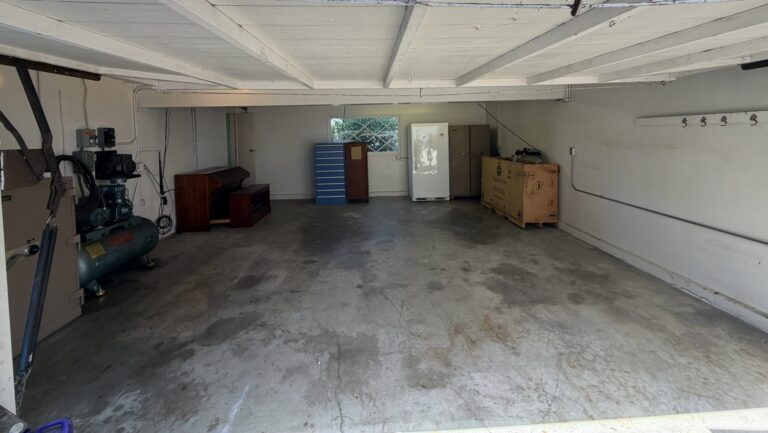
Marina came to me exhausted — not tired from a busy week, but the kind of tired that builds up over years. She had cared for both parents through serious illness at the same time. She lost her father. Then came the business he left behind, complicated, with a lifetime of pieces to untangle. Then she had to move her mother into assisted living across the country. By the time she got to the family home, she had nothing left.
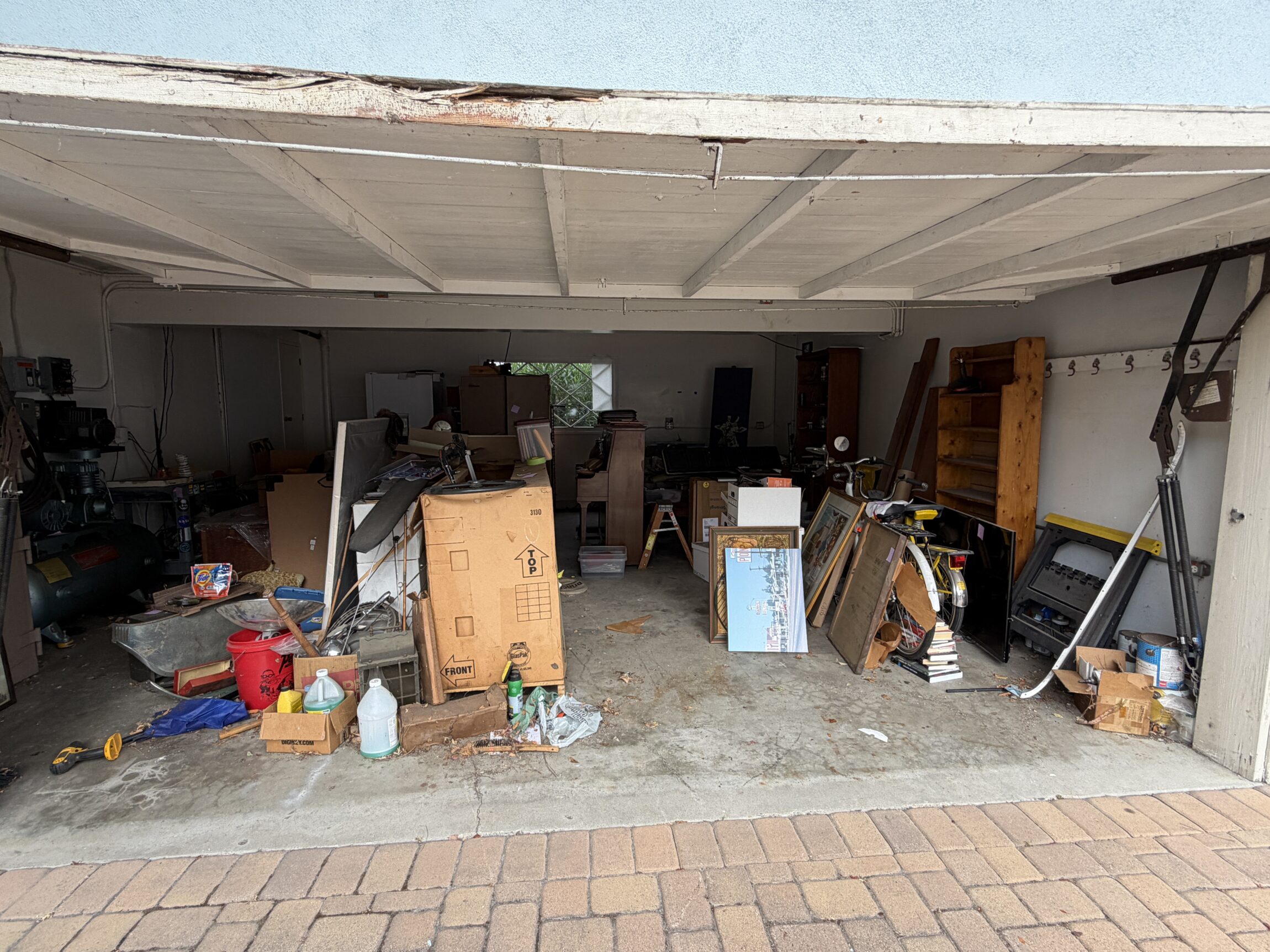
She’s in her forties, full of life, but the house had finally broken through her reserves. Twenty or thirty years of memories in those walls, and she was the one in charge of all of it. Every drawer she opened, she risked crying. So she stopped opening drawers.
A neighbor made the introduction. For Marina, making the process lighter meant connecting her with a real estate agent who understood the emotional weight of the sale, bringing in an estate sale professional for the valuable pieces, and finding homes for special items with people who needed them. My job is to help you have fewer things to figure out.
The Things We Think We Should Keep
Marina’s grandfather had gone to high school with Richard Nixon, right here in Whittier. White House cigarettes still in their original plastic. Cufflinks. Inauguration keepsakes. She didn’t really want all of it. But she felt like she should.
I hear that word a lot. Should. It’s usually the thing standing between someone and being able to breathe again. Keeping a few meaningful pieces, and donating the proceeds from the rest to a cause she loved, changed everything. Letting go wasn’t losing something. It was doing something good with it.
Submitted photo
The Cane
When Marina picked up her grandfather’s cane — his initials on the handle — she started to cry. It felt important. But it didn’t bring her joy. I asked her to put it down and walk me through the house. What makes you laugh? What makes you happy?
She found it. A long high school photo, everyone in rows. She can point to her grandfather, and to his friend, Richard Nixon. That photo makes her smile every time. That’s what she kept.
The Theater Family
Music ran through this whole family. Her father built organs. Her mother was a musician. Marina is a singer. So when we looked at furniture, silver, and props with charm but little resale value, I thought of our local middle school musical program. A chair found a new stage. Silver that would have cost the program real money showed up as a donation. The family’s love of the arts is still out there, just in a different room now.
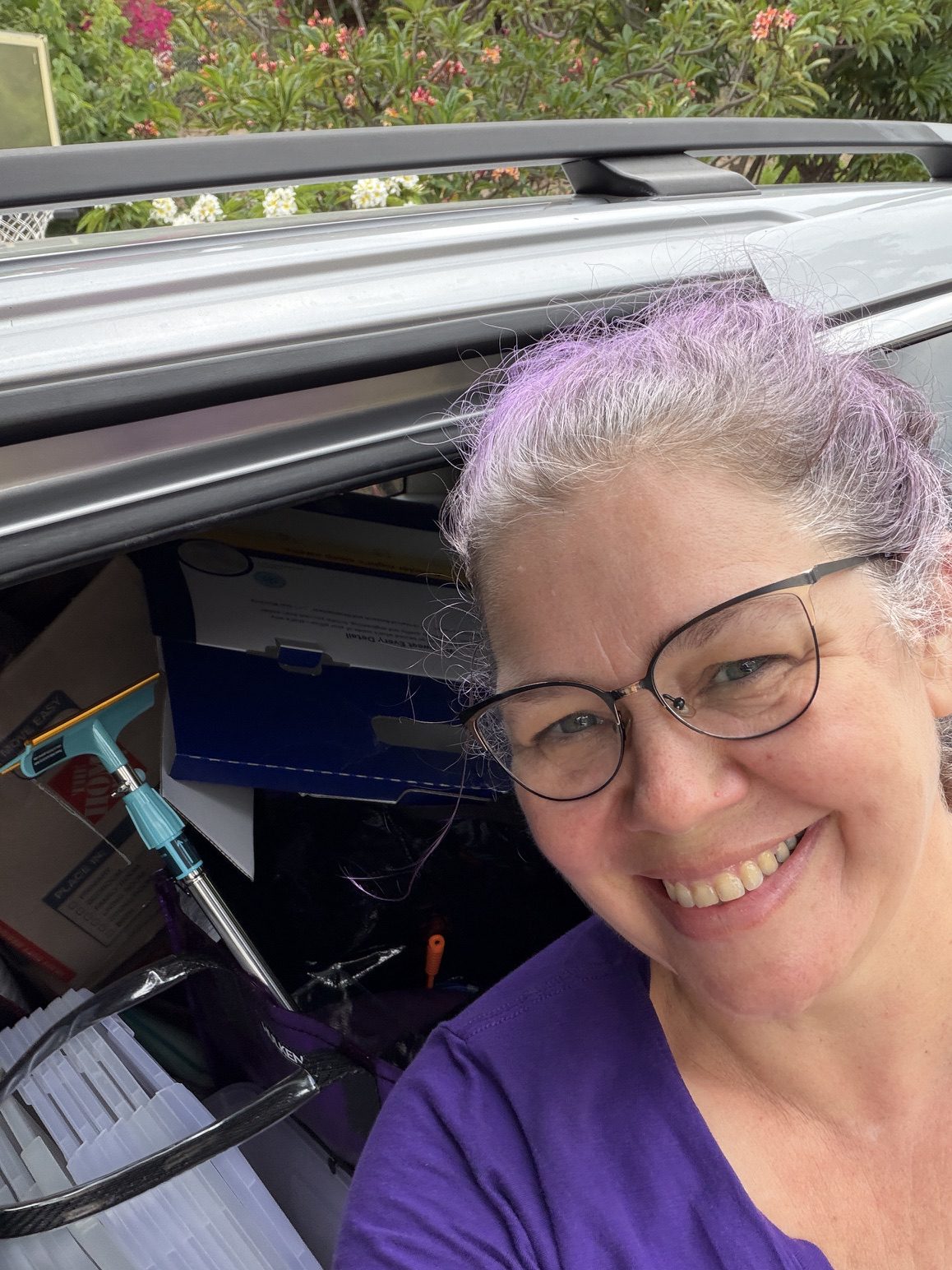
When the day was done, my car was packed with donations headed to organizations that could use them. That part is on us — our clients never have to worry about where things go.
The Weight We Leave Behind
Every single one of us will leave stuff behind someday. Every closet, every drawer, every box in the garage. Someone who loves you will deal with it. That’s not meant to be heavy. It’s just true.
You can do something about it now. Little by little, with intention, you can lift that weight ahead of time so the people you love aren’t holding all of it later. Marina didn’t set out to give her family a gift. She just needed help with a house. But that’s exactly what she did.
Submitted photo
What I Want You to Take from Marina’s Story
Most of my clients loved their families and kept things because things meant something. The problem isn’t the stuff — it’s the decisions.
If you’re the one in charge of a family home, whether you’re ready or just starting to think about it, I’d love to talk. No pressure, no obligation. Just a conversation. For more information, visit www.EmmaHelpsMe.com.
Any content, resident submissions, guest columns, advertisements, and advertorials are not necessarily endorsed by or represent the views of Best Version Media LLC (BVM) or any municipality, homeowners associations, businesses, or organizations that this publication serves. BVM is not responsible for the reliability, suitability, or timeliness of any content submitted, inclusive of materials generated or composed through artificial intelligence (AI). All content submitted is done so at the sole discretion of the submitting party.