Living at the beach is one of the great pleasures of Northeast Florida. However, sun exposure also results is cumulative sun and photo damage. Sun damage can lead to a higher risk of skin cancer and premature aging.
The three main types of skin cancers are basal cell carcinoma, squamous cell carcinoma, and melanoma. A skin cancer can manifest as a spot that repeatedly crusts or bleeds, a sore that doesn’t completely heal, a rough scaly patch, a pearly bump, or a mole that changes in size, shape, or color. These signs and symptoms should prompt you to schedule a skin check with a dermatologist who specializes in the detection and treatment of skin cancers.
There is no single treatment appropriate for every situation.
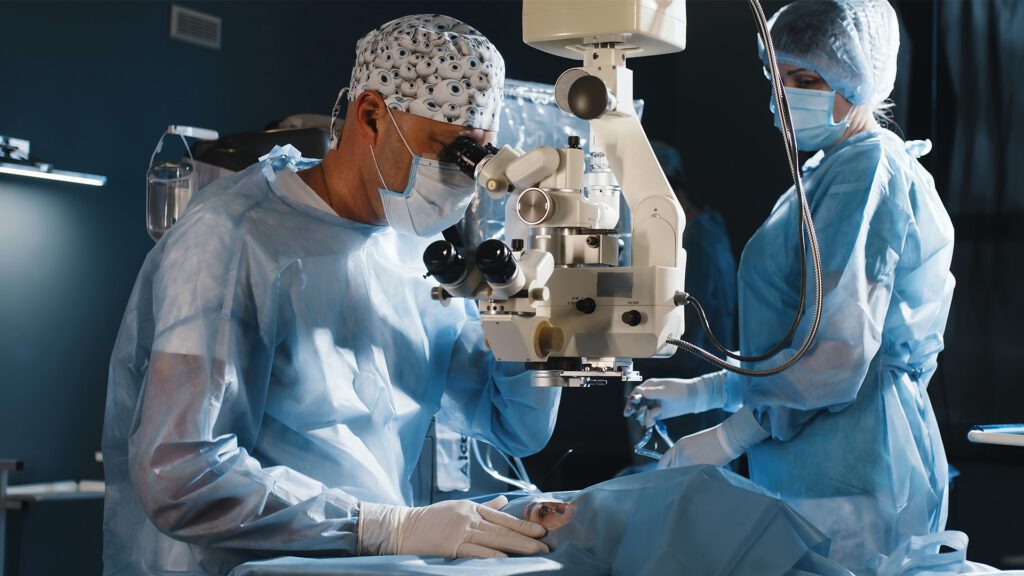
For complex, recurrent, or high-risk basal and squamous cell cancers, particularly on the face, Mohs surgery can be an excellent choice. Cancer is removed in thin layers and examined microscopically during the procedure. This allows us to precisely remove cancerous tissue while preserving as much healthy surrounding skin as possible, something especially important around the nose, ears, eyes, and other cosmetically sensitive areas.
For selected non-melanoma skin cancers, we also offer superficial radiotherapy, or SRT. This non-surgical approach uses low-energy radiation targeted at the cancer while minimizing exposure to surrounding healthy tissue. Ultrasound guidance and real-time imaging can help precisely target treatment. Because there is no cutting, SRT is a non-surgical option for those who want to avoid surgery due to surgery fatigue or in cosmetically sensitive locations. You also do not have to stop any blood thinners or be restricted in any activities.
Another option is photodynamic therapy (PDT). PDT combines a photosensitizing medication with a specific wavelength of light to target abnormal cells. It can be useful for actinic keratoses—precancerous changes caused by sun damage—as well as certain superficial cancers and areas containing widespread sun damage.
The important point is not which treatment is “best.” It is which treatment is best for you.
That decision considers the type and depth of the cancer, its location, previous treatments, overall health, cosmetic considerations, and personal preferences.
And it begins with detection. Know your skin, pay attention to changes, protect yourself from continued sun exposure, and have suspicious areas evaluated.
When skin cancer is discovered early, we often have more choices—and that can make an enormous difference.
: For more information or questions: (904)880-0622 or visit our office at1807 3rd St N., Atlantic Beach