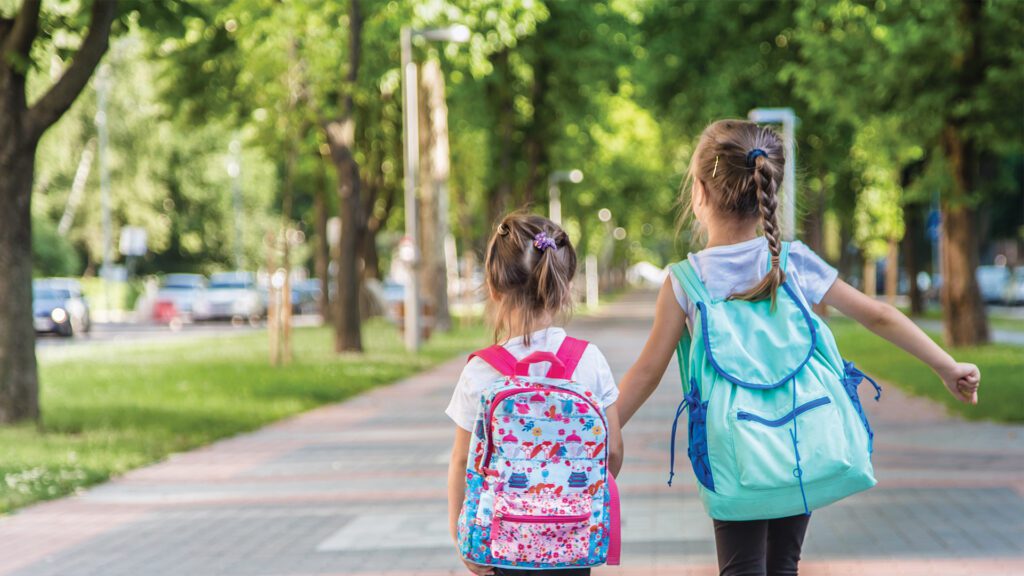
As families prepare for a new school year, shopping for supplies, updating wardrobes, and organizing schedules, foot health is often overlooked. Kids’ feet endure significant daily stress, from long hours in classrooms to sports practices and playground activities. A quick foot check before school starts can prevent discomfort, missed activities, and even infections.
One of the most common issues seen in children is plantar warts. Caused by a virus that thrives in warm, moist environments like locker rooms and public pools, warts often appear as small, rough growths on the bottom of the foot. They may be mistaken for calluses, but can be more painful. If your child complains of foot pain or you notice unusual spots, it is worth having them evaluated early. Over-the-counter treatments are not always effective, and professional care can speed resolution.
Ingrown toenails are another frequent problem, especially in active kids or those wearing tight shoes. This occurs when the edge of the nail grows into the surrounding skin, leading to redness, swelling, and sometimes infection. Children may try to “tough it out,” but untreated ingrown nails can worsen quickly. Warning signs include tenderness along the nail border or drainage. Proper nail trimming—straight across rather than rounded—can help prevent this issue, along with ensuring shoes fit appropriately.
Parents should also look for signs of fungal infections. Children can develop athlete’s foot, especially if they participate in sports or wear sweaty socks for extended periods. Symptoms include itching, peeling skin, or redness between the toes. Encouraging good hygiene, such as drying feet thoroughly and changing socks daily, can reduce risk.
Beyond skin and nail concerns, this is also an ideal time to assess footwear. Shoes that are too small or lack proper support can contribute to pain in the heels, arches, or toes. Children grow quickly, and last year’s shoes may no longer fit—even if they still “seem fine.” A proper fit should allow about a thumb’s width of space at the front, with no pinching or rubbing
Finally, pay attention to complaints of foot or ankle pain. While occasional soreness can be normal, persistent pain may indicate conditions such as flat feet, overuse injuries, or growth-related issues like Sever’s disease. Early evaluation can prevent minor problems from becoming chronic.
A simple five-minute foot check at home can make a meaningful difference. Look at the skin, nails, and overall alignment, and ask your child if anything hurts. Addressing concerns before the school year begins helps ensure your child stays active, comfortable, and focused on learning—not sidelined by preventable foot problems.
If you notice anything unusual or if your child reports ongoing discomfort, consulting a podiatric specialist can provide clarity and peace of mind. Healthy feet are the foundation for a successful school year.
Any content, resident submissions, guest columns, advertisements, and advertorials are not necessarily endorsed by or represent the views of Best Version Media LLC (BVM) or any municipality, homeowners associations, businesses, or organizations that this publication serves. BVM is not responsible for the reliability, suitability, or timeliness of any content submitted, inclusive of materials generated or composed through artificial intelligence (AI). All content submitted is done so at the sole discretion of the submitting party.